TOR Courts Global Technology Partners as Recovery Push Moves from Plant Floor to Offshore Frontier
Tema Oil Refinery is taking its recovery campaign beyond Ghana’s borders, moving from the Endress+Hauser Global Forum in Basel to the ongoing Offshore Technology Conference in Houston. The message is deliberate: TOR’s turnaround is no longer just about restarting a refinery, but about rebuilding the technology, partnerships and operating discipline needed to make that recovery last.
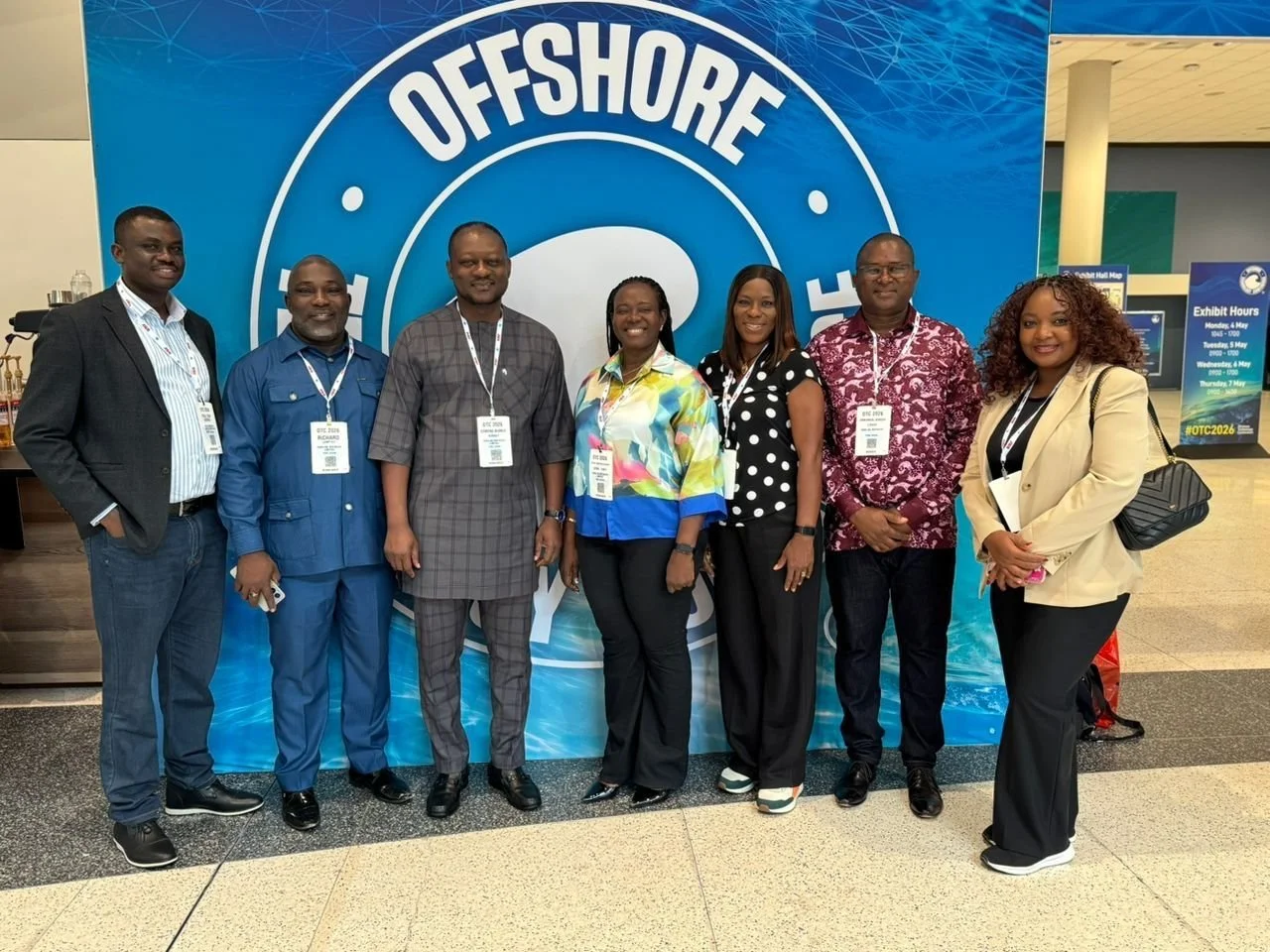
Houston, Texas, The United States of America | May 6, 2026 - The Tema Oil Refinery is taking its recovery story onto the global energy circuit, using two major industry gatherings in Basel and Houston to sharpen its modernisation agenda, deepen technology-facing partnerships and signal that the state-owned refinery wants a place in the next phase of energy infrastructure investment.
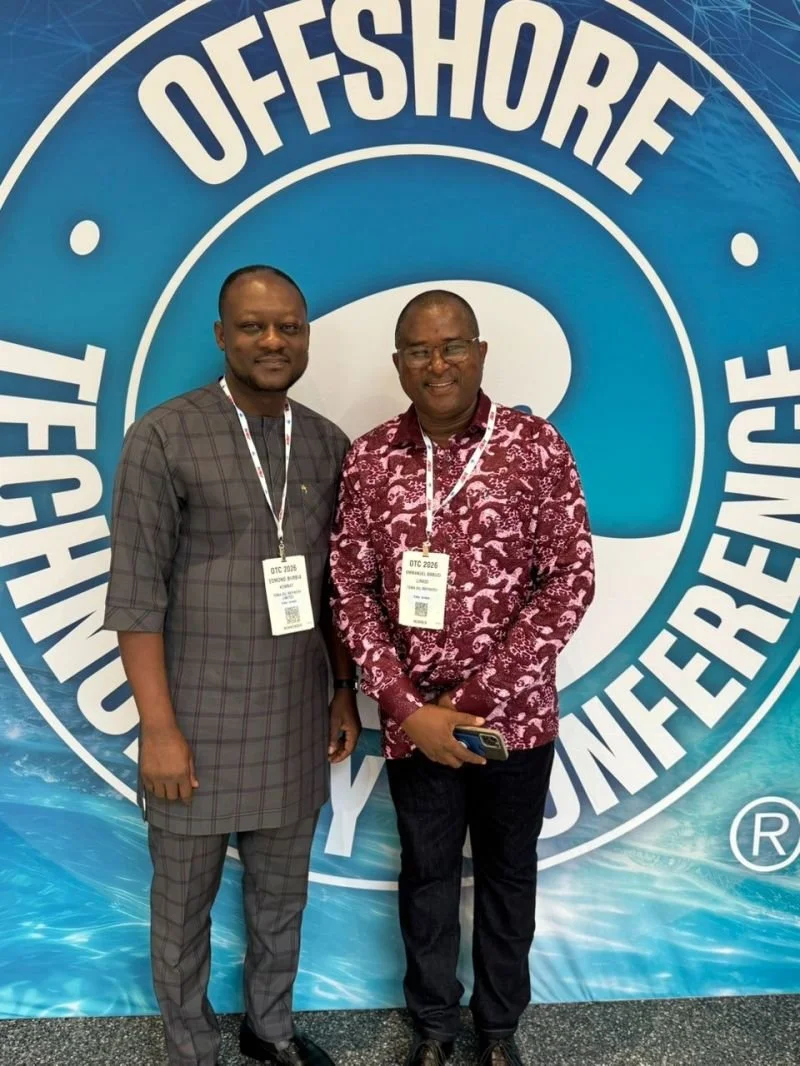
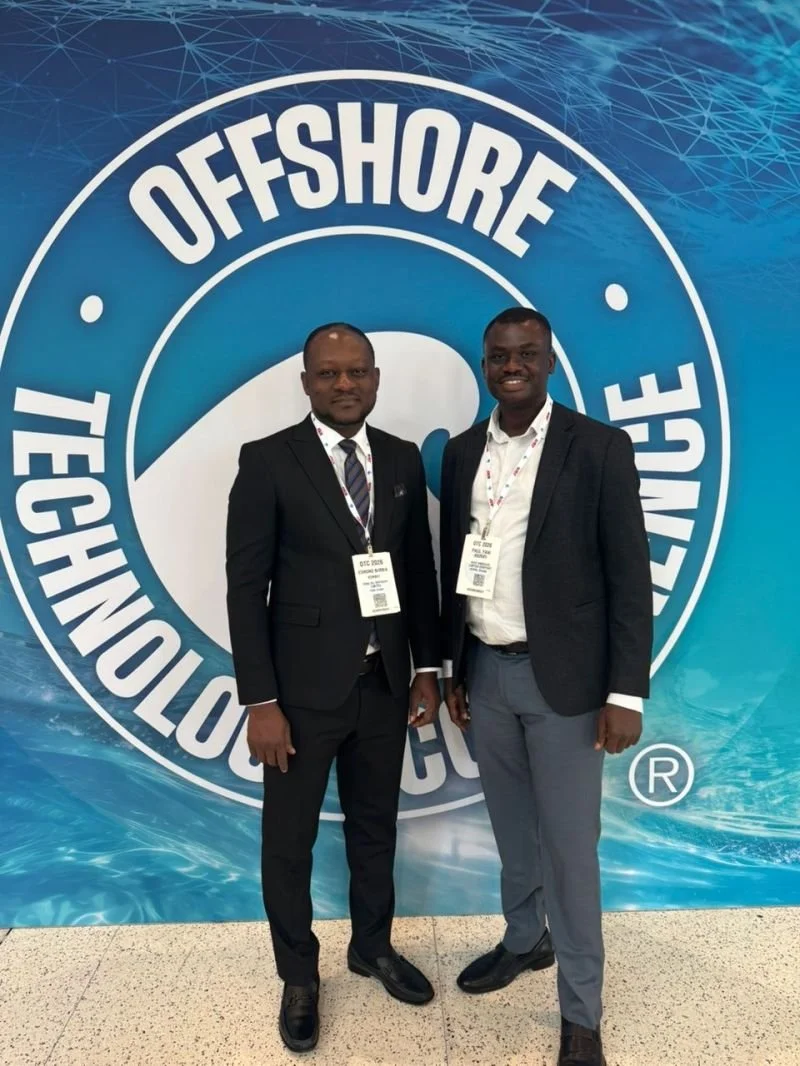
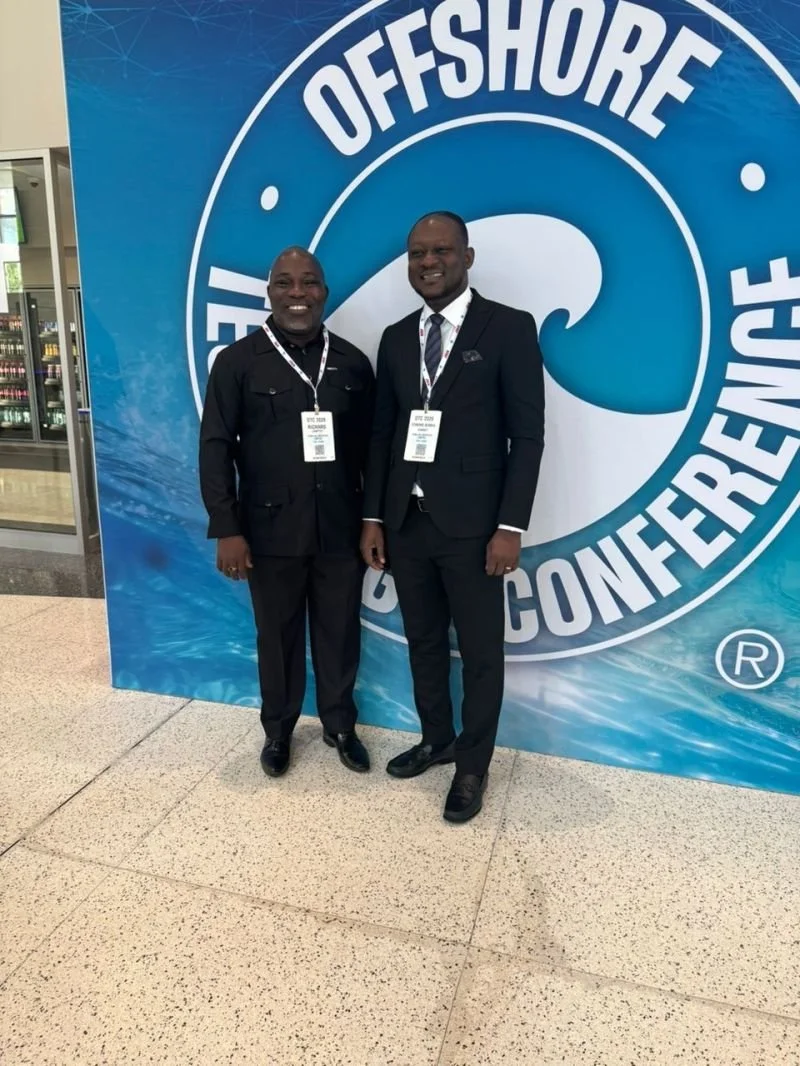
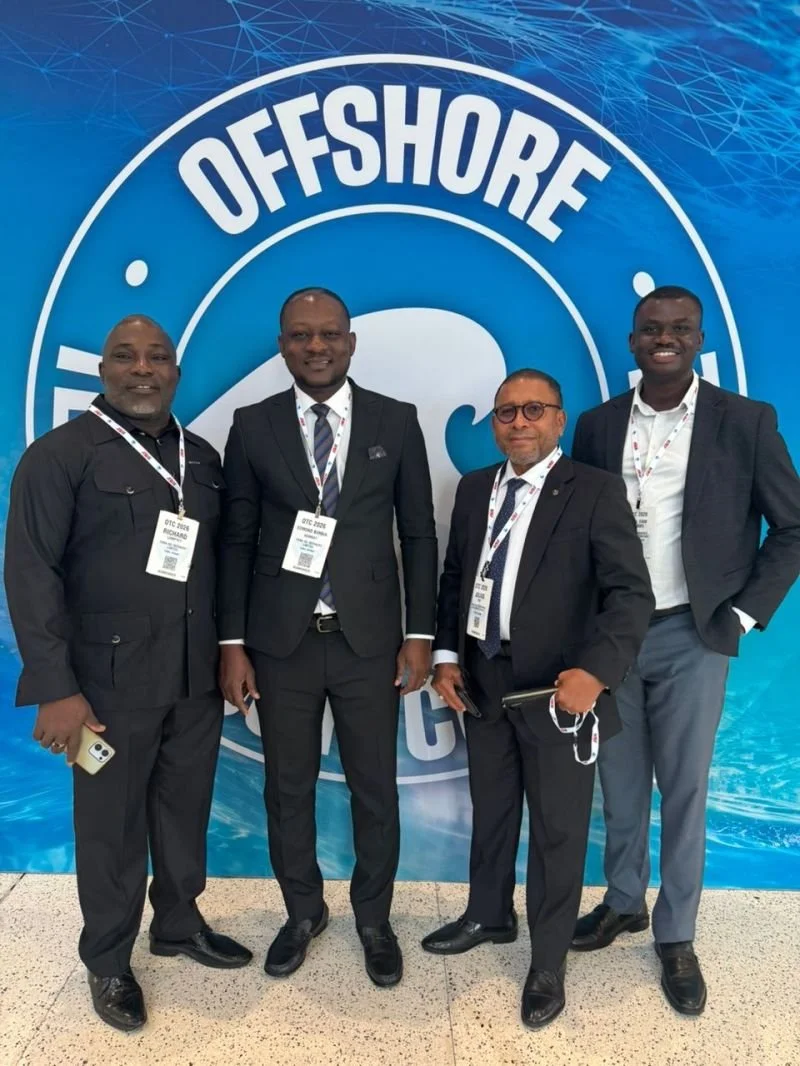
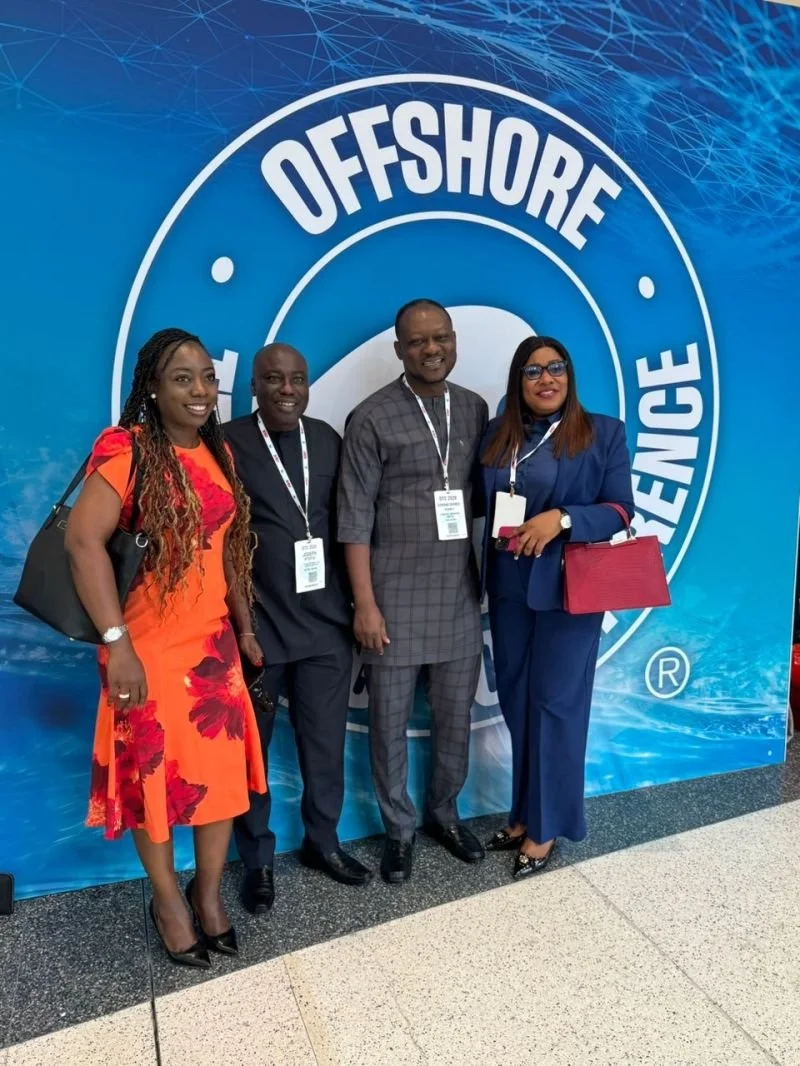
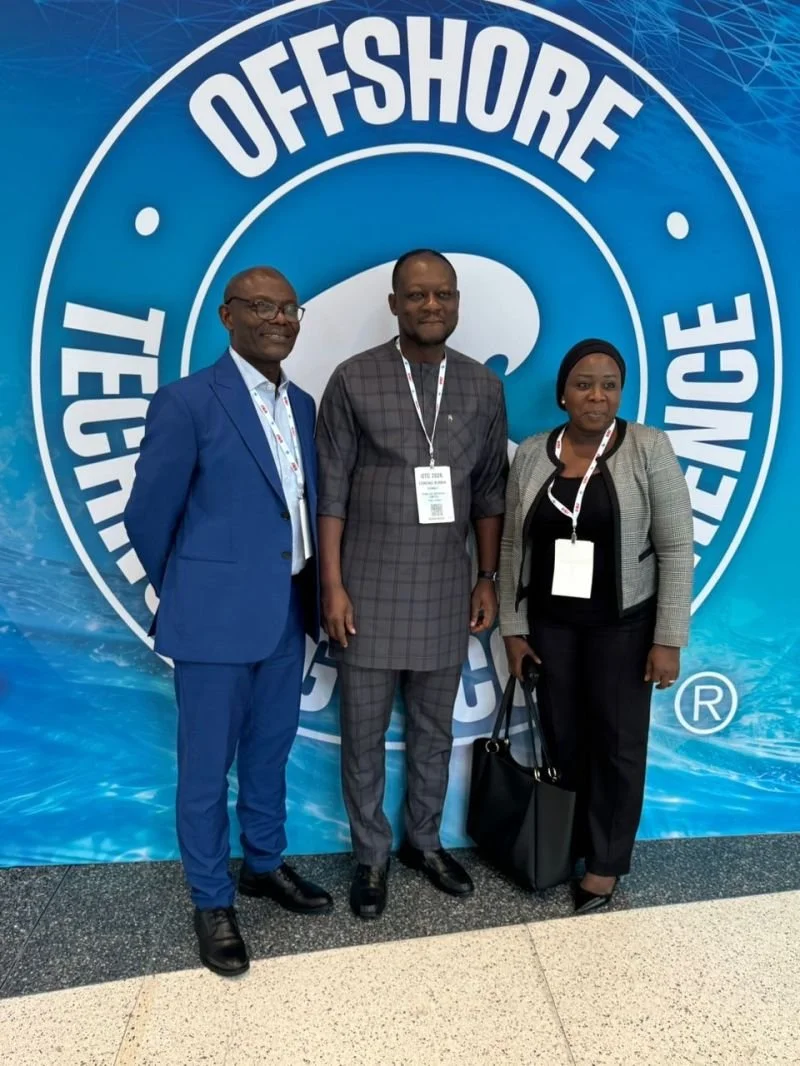
The refinery’s latest stop is the Offshore Technology Conference 2026, currently ongoing in Houston from 4 to 7 May, where TOR says it has joined global industry leaders to explore cutting-edge solutions, strengthen partnerships and position Ghana closer to the offshore energy innovation conversation. The engagement follows TOR’s participation in the 2026 Endress+Hauser Global Forum in Basel, Switzerland, where the refinery framed its presence around operational recovery, plant reliability and the use of smarter systems to improve efficiency.
From Refinery Revival to Strategic Test Case
TOR’s current story is no longer only a refinery-restart story. It has become one of the clearest tests of Ghana’s downstream sovereignty agenda: whether the country can restore domestic refining capacity, reduce dependence on imported finished petroleum products, protect industrial jobs and rebuild confidence in a strategic state-owned asset after years in which the refinery symbolised state-asset underperformance.
TOR’s recovery has been framed as a revival with strategic, fiscal and institutional dimensions. The refinery’s return to crude oil refining has been presented as a potential buffer against fuel price volatility, while its ranking as the second-best institution in the Ministry of Finance’s 2026 Public Financial Management Compliance League Table was treated as a sign that governance reform, operational recovery and policy alignment were beginning to converge.
That context gives TOR’s latest international engagements their larger significance. Its recovery story now has two tracks: the hard industrial work of returning refinery operations to credibility, and the governance work of proving that a strategic state asset can be managed with discipline, compliance and public-interest purpose.
From Basel to Houston
For TOR, the chronology matters. Basel came first, from 14 to 16 April, under Endress+Hauser’s theme, “Driving sustainable transformation together.” The forum gathered more than 2,000 customers, employees and young talents around questions of resilience, digitalisation, environmental requirements, circular economy principles and industrial transformation.
For a refinery trying to optimise existing assets and rebuild operational credibility, the event placed TOR inside a conversation that is less about slogans and more about instrumentation, measurement, analytics and the hard discipline of keeping plants running.
TOR said the forum was timely for its “recovery and repositioning journey,” adding that the sessions offered practical insight into how AI, data-driven technologies and modern measurement methods are changing industrial operations.
The Plant-Floor Lesson: Data, Reliability and Predictive Maintenance
The Basel forum brought into focus the operating systems that increasingly separate resilient industrial assets from vulnerable ones. TOR singled out real-time data, smart systems and predictive maintenance as areas directly relevant to its own plant reliability agenda, particularly the need to identify equipment problems early, reduce unplanned downtime and improve operational efficiency.
That emphasis is not accidental. Endress+Hauser is a global player in process and laboratory measurement technology, with instruments, services and solutions used by process industries to improve efficiency, safety and product quality.
For a refinery whose turnaround depends not only on financing and policy support but also on the condition, visibility and discipline of its operating assets, the Basel forum offered a window into the kind of plant-level systems that determine whether recovery can be sustained beyond boardroom declarations.
OTC 2026 Opens the Wider Energy Door
From Basel, TOR’s external engagement has now moved to Houston, where OTC 2026 is underway under the banner “Steering Offshore Energy Innovation into the Future.” The conference frames offshore energy as a broad platform spanning oil and gas, offshore wind, tidal and wave energy, with technology and sustainable practice positioned as the bridge between traditional production and emerging marine energy sources.
OTC is not a minor stage. Founded in 1969, the Offshore Technology Conference describes itself as the world’s premier event for energy professionals to share ideas, drive innovation and advance the technical and scientific knowledge required to responsibly develop offshore resources. Its global portfolio includes the flagship Houston event, OTC Brasil and OTC Asia, and has drawn more than three million professionals over time.
For TOR, the Houston presence widens the frame from plant optimisation to strategic positioning. The refinery said its participation at OTC 2026 is aimed at unlocking new technologies, investment opportunities and efficiency gains, while supporting energy security and economic growth.
Where Technology Meets Energy Security
TOR is not an upstream operator, but Ghana’s downstream security will increasingly depend on how well institutions across the energy chain read technology shifts, build partnerships and align domestic infrastructure with a changing global market.
OTC’s 2026 programme brings together senior executives, engineers, project managers, consultants, researchers, technical experts, government actors, financiers and technology providers across oil and gas, equipment, services, engineering, construction, renewable energy, marine engineering and R&D institutions.
For a refinery seeking investment opportunities, technology exposure and operational partnerships, that concentration of decision-makers is precisely the point.
The Real Test Begins After the Conferences
The broader signal is that TOR’s recovery narrative is being recast around competence, not nostalgia. Basel spoke to the internal machinery of the refinery: measurement, automation, data, reliability and predictive maintenance. Houston speaks to the external ecosystem: offshore innovation, technology suppliers, financiers and strategic partners. Together, the two appearances suggest a refinery attempting to convert global exposure into operational discipline at home.
The test, however, will come after the conference floors are packed away. TOR’s challenge is to translate conversations in Basel and Houston into measurable improvements in uptime, asset optimisation, technical capability and investment readiness.
In Ghana’s energy system, where fuel security remains a strategic concern and refinery revival has long carried political and economic weight, international visibility will matter only if it is followed by execution.
For now, TOR’s message is clear: the refinery wants to be seen not merely as a legacy asset awaiting rescue, but as an institution trying to re-enter the technology and investment bloodstream of the global energy industry. In a sector where credibility is earned by performance, that is an ambitious first step.
