
Africa’s Hydropower Week: Mphanda Nkuwa, Anzana and ZRA Test the New Rules of Clean-Power Finance
Africa’s hydropower ambitions are moving on three fronts at once: Mozambique’s Mphanda Nkuwa is testing whether a mega-dam can still reach bankability, Anzana’s BII-backed facility is pushing smaller run-of-river projects into the financing mainstream, and the Zambezi River Authority’s IHA membership is putting river governance closer to the centre of the deal table. Together, they show a continent rich in hydro potential confronting the harder question: not whether water can generate power, but whether Africa can finance, govern and climate-proof the infrastructure needed to turn that potential into reliable electricity.
Maputo, Mozambique | June 3, 2026 - Africa’s hydropower story is no longer just a matter of river gradients, turbine capacity and installed megawatts. It is becoming a harder test of bankability: whether governments, development financiers, private sponsors and basin institutions can convert water resources into reliable, climate-resilient power without overloading sovereign balance sheets.
That test sharpened across three fronts in late May. In Mozambique, the 1,500MW Mphanda Nkuwa Hydropower Project continued to stand out as one of the continent’s most consequential power-sector bets, with official project material putting generation and transmission CAPEX at around $4.5bn. Across East, Central and Southern Africa, Anzana Electric Group secured a $20mn debt facility from British International Investment for run-of-river hydropower projects, according to Africa Global Funds. And on the same Zambezi system, the Zambezi River Authority joined the International Hydropower Association, signalling that the institutional side of hydropower is moving alongside the capital stack.
The Mega-Project Anchor
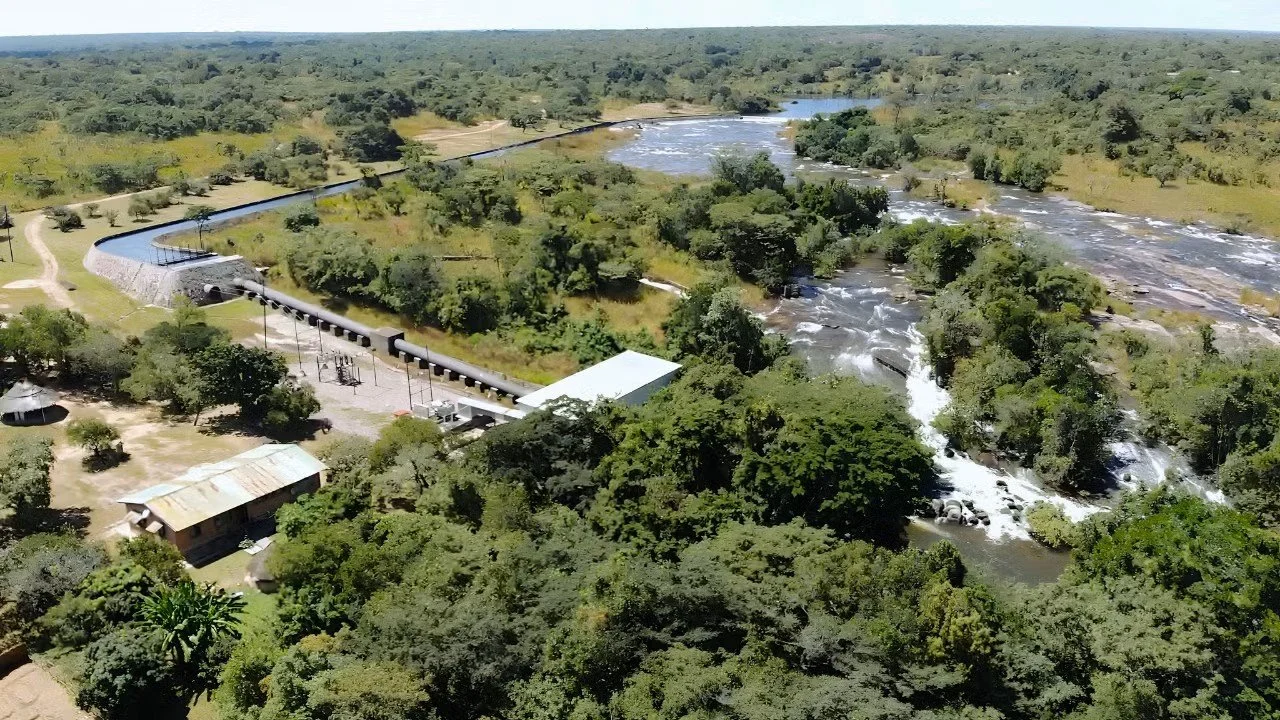
Mphanda Nkuwa is the heavyweight in this sequence. The official project description frames it as a 1,500MW run-of-river hydroelectric plant on the Zambezi River in Mozambique’s Tete province, 61km downstream of Cahora Bassa and about 60km from Tete city. It includes a hydropower station and long-distance high-voltage transmission lines from the project site to Maputo, with the transmission system covering roughly 1,300km between Tete and Maputo.
That distinction matters. Mphanda Nkuwa is not simply a dam. It is a generation-and-transmission platform whose commercial logic depends on domestic supply, regional power trade, offtake credibility and the ability to move electricity from Mozambique’s interior to demand centres and export corridors.
PetroPulse has already tracked the project as a bankability test for Southern Africa, noting AfDB-backed risk-mitigation work, the proposed Partial Risk Guarantee, the EDF–TotalEnergies–Sumitomo strategic partner structure, the role of Electricidade de Moçambique and Hidroeléctrica de Cahora Bassa, and the environmental and social concerns that still sit around a large Zambezi River development. That earlier context is important because this is not a fresh project announcement. It is a long-running infrastructure proposition trying to cross from structuring into financeable execution.
The Financing Question
The African Development Bank said in February that Mozambique, working with the Bank, was moving closer to securing financing for the Mphanda Nkuwa project. The Bank’s release used a $4.5bn project-cost framing, which aligns with GMNK’s official CAPEX figure for generation and transmission.
The wider financing environment gives the project its sharper edge. The World Bank Group’s Guarantee Platform, housed at MIGA, has announced plans to more than double annual guarantee issuance in Africa to $6.4bn by 2030, with guarantees expected to support investment in sectors including energy and infrastructure. That does not mean the platform is backing Mphanda Nkuwa. It does, however, show the direction in which African infrastructure finance is moving: away from simple public borrowing and towards layered structures built on guarantees, development-bank participation, political-risk cover and private-sector mobilisation.
For Mozambique, this is more than a financing technique. It is a balance-sheet question. Mphanda Nkuwa could strengthen domestic supply, support industrial demand and deepen Mozambique’s role in regional power trade. But if the financing architecture is weak, the same project could become a fiscal strain long before the first turbine turns. That is why financial close matters more than the headline capacity figure.
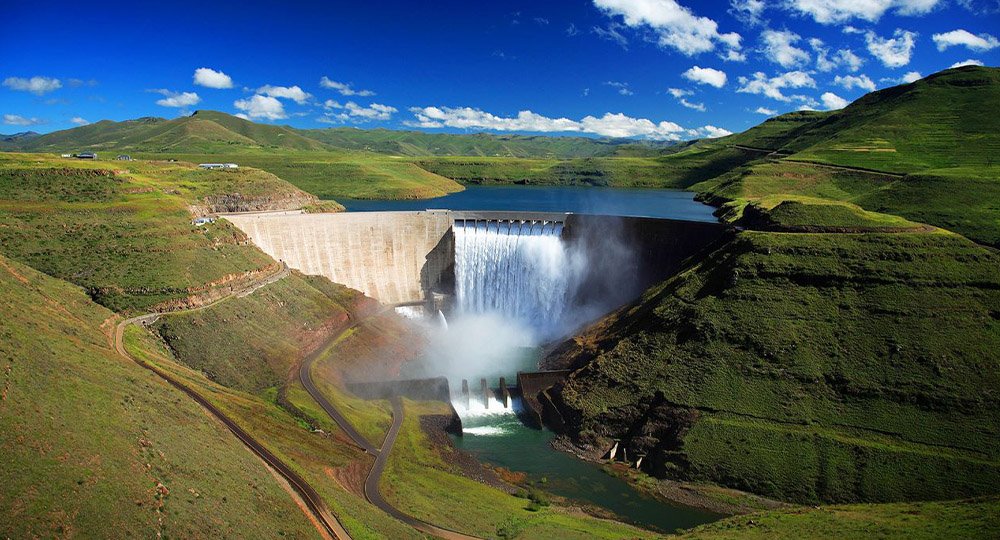
Photo Credit: 360 Magazine
The Portfolio-Finance Counterpoint
At the other end of the market, Anzana’s $20mn facility from British International Investment points to a different hydropower model. Africa Global Funds reports that the facility is a senior secured portfolio debt facility intended to accelerate construction of run-of-river hydropower projects across Africa. Anzana’s own company profile describes it as a developer, investor and operator of hydropower and grid-distribution projects across East, Central and Southern Africa.
This is the quieter but important counterweight to Mphanda Nkuwa. Where Mozambique’s project is a sovereign-scale infrastructure bet, Anzana’s model is portfolio finance: smaller assets, spread across several markets, backed by development-finance debt and built around repeatable execution rather than one national mega-project absorbing the whole financing conversation.
The comparison is revealing. Africa’s hydropower future will not be built only through landmark dams. It will also depend on whether developers can aggregate smaller projects into bankable portfolios, standardise construction and operating risk, and use DFI debt to crowd in additional capital. The mega-project offers scale. The portfolio model offers replication.
Governance Moves Into the Foreground
The Zambezi River Authority’s membership of the International Hydropower Association adds the governance layer. IHA said on May 26 that ZRA had become a member, reinforcing its commitment to sustainable hydropower development and regional collaboration. IHA also describes ZRA as a bilateral organisation jointly owned by Zambia and Zimbabwe that manages shared water and hydropower resources on the Zambezi River.
That is not a soft institutional footnote. Southern African hydropower is not merely an engineering exercise. It sits on shared rivers, drought-sensitive reservoirs, cross-border electricity systems and politically exposed water-management arrangements. ZRA’s move into IHA’s network therefore belongs in the same story as Mphanda Nkuwa and Anzana because finance follows governance as much as it follows hydrology.
The climate-risk context makes that even more important. The International Energy Agency has warned that rising temperatures can increase evaporation losses from African reservoirs, while changes in precipitation can affect hydropower potential, generation output and seasonal variability. Hydropower is low-carbon, but it is not climate-proof.
The Wider Hydro Opportunity
Africa’s hydropower resource remains large and underused. The International Hydropower Association estimates that only about 10% of the continent’s technical hydropower potential has been harnessed, even though hydropower already supplies around 20% of Africa’s electricity generation from roughly 43.5GW of conventional installed capacity.
That gap explains why projects like Mphanda Nkuwa continue to command attention. The resource base is real. The execution constraints are harder: finance, climate resilience, transmission, offtake, environmental safeguards, and institutional credibility.
The AfDB’s 2026 Annual Development Effectiveness Review and African Economic Outlook reinforce the broader point. Africa’s energy systems are expanding, but access and integration gaps persist, while the continent’s development-financing environment remains shaped by geopolitical fragmentation, trade tensions and pressure on fiscal space. In that context, Mphanda Nkuwa, Anzana and ZRA are not isolated items. They are three expressions of the same market reality: African clean-power infrastructure needs capital, risk mitigation and competent institutions at the same time.
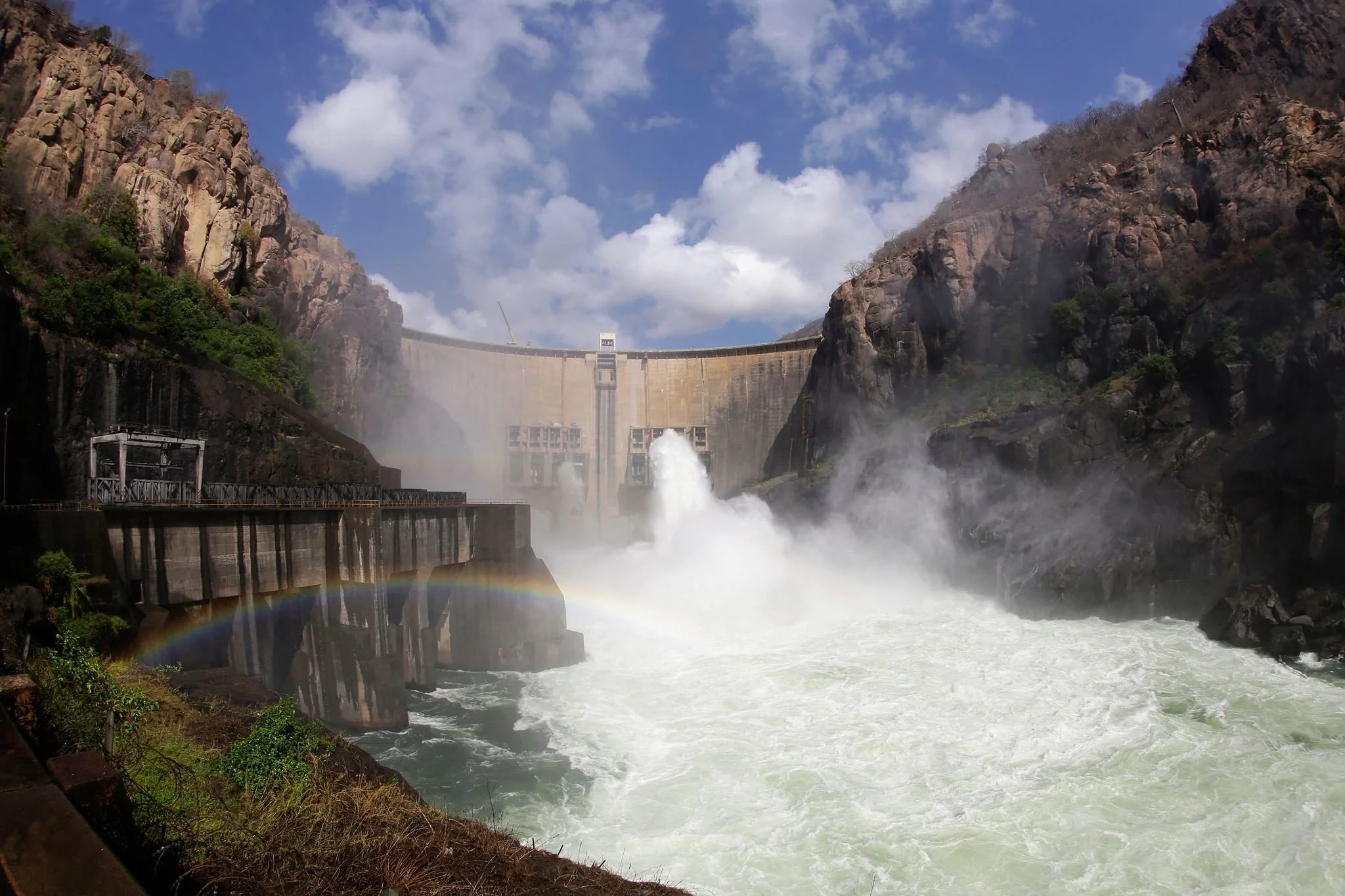
Photo Credit: Green Building Africa
The Cabora Bassa Wildcard
There is also a basin-adjacent wrinkle. Reuters reported that Australia’s Invictus Energy signed a petroleum production sharing agreement with Zimbabwe on May 27 for the Cabora Bassa gas project. Invictus also describes itself as focused on exploring and developing the Cabora Bassa Basin in northern Zimbabwe.
This is not a hydropower development and should not be treated as one. Its relevance is narrower: the wider Cabora Bassa/Zambezi geography is attracting energy capital across technologies, from hydroelectric infrastructure to upstream gas. The region is not moving through a neat, single-track transition. It is assembling an energy-development corridor in which hydropower, transmission, gas, regional trade and industrial demand are increasingly entangled.
The Bankability Test
The central question now is not whether African hydropower has momentum. It clearly does. The question is whether that momentum can survive the tests that decide infrastructure outcomes: climate resilience, basin governance, transmission readiness, debt sustainability and credible risk allocation.
Mphanda Nkuwa will test whether a flagship Mozambican hydro project can move from strategic ambition to bankable execution. Anzana’s BII facility will test whether smaller hydropower can scale through portfolio finance. ZRA’s IHA membership will test whether river-basin institutions can professionalise fast enough for a more climate-stressed power system.
Africa’s hydropower week, then, is not simply about water becoming electricity. It is about whether the continent can turn hydrology into bankable, governed and resilient infrastructure.
