
Don’t Go Below One-Quarter: Why Ghanaian Motorists Must Think Twice Before Running Their Fuel Tanks Near Empty.
Across Ghana, some motorists have developed the habit of driving their vehicles until the fuel gauge is almost empty before refueling. For some drivers, it is a way of stretching money until payday. For others, it is simply procrastination or the belief that “there is still enough fuel left.”
While this may seem harmless, automotive experts and engineers warn that consistently running a vehicle on very low fuel can lead to serious mechanical problems, unexpected breakdowns, and avoidable repair costs.

What many drivers do not realise is that the fuel in a vehicle does much more than just power the engine. It also helps cool and protect important components within the fuel system. Ignoring this simple fact can gradually damage a vehicle and reduce its reliability.
At a time when vehicle maintenance costs continue to rise in Ghana, motorists are being encouraged to adopt better refueling habits to protect both their vehicles and their pockets.
Why Running Low on Fuel Is a Problem
Most modern vehicles use an electric fuel pump located inside the fuel tank. The pump pushes fuel from the tank to the engine at the right pressure for efficient combustion.
What many drivers may not know is that the fuel surrounding the pump helps keep it cool and lubricated while it operates. When the fuel level becomes too low, the pump is exposed to excess heat and begins to work under stress.
Over time, this repeated overheating can weaken the fuel pump and eventually cause it to fail completely.
A faulty fuel pump is not a small issue. It can leave a driver stranded unexpectedly and may require costly replacement.
The Jerking and Stalling Many Drivers Experience
One common complaint among motorists is engine jerking, hesitation, or sudden stalling. In many cases, low fuel levels can contribute to this problem.
When the fuel in the tank runs low, especially during cornering, climbing hills, or driving on uneven roads, air can enter the fuel lines. This interrupts the smooth flow of fuel to the engine and can cause the vehicle to jerk or lose power.
Some drivers mistake this as a gearbox problem or poor-quality fuel, when the issue may be the habit of running the tank too low too often.
Dirt and Sediment Can Enter the Fuel System
Fuel tanks naturally collect tiny particles, dirt, rust, and sediments over time. This is more common in older vehicles and in dusty operating environments.
When the tank is nearly empty, these sediments are more likely to be sucked into the fuel system. Once this happens, fuel filters and injectors may become clogged.
Clogged injectors can reduce engine efficiency, increase fuel consumption, and lead to rough engine performance. In severe cases, motorists may need expensive injector cleaning or replacement.
Keeping a reasonable amount of fuel in the tank helps reduce the chances of these contaminants entering sensitive engine components.
Running Out of Fuel Is More Dangerous Than Many Think
Many drivers only think about the inconvenience of running out of fuel. However, the dangers can go far beyond embarrassment or delay.
A stalled vehicle in heavy traffic in cities such as Accra or Kumasi can cause severe congestion and increase the risk of accidents. On highways or poorly lit roads at night, it can also pose security and safety risks to motorists.
For commercial drivers, such as taxi operators, ride-hailing drivers, and delivery drivers, an unexpected breakdown can result in lost income and inconvenience to passengers or customers.
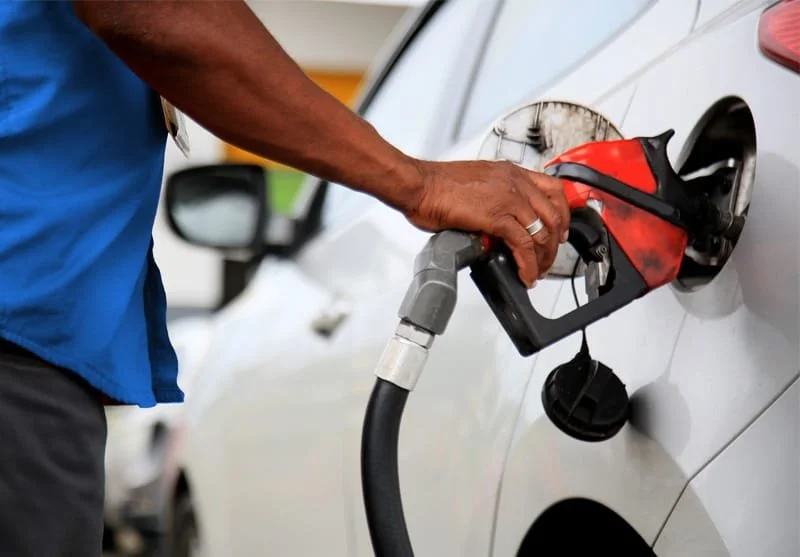
Fuel Quality and Good Refueling Habits
Regulatory institutions in Ghana continue to work to ensure that petroleum products on the market meet approved standards and specifications. However, motorists also have a responsibility to adopt good fuel management habits.
Buying fuel from reputable and licensed filling stations remains important. Equally important is avoiding the practice of always driving on reserve fuel.
Motorists should understand that the reserve fuel warning light is not an invitation to continue driving for long periods. It is a warning that refueling should be done as soon as possible.
The Financial Cost of Ignoring This Advice
Ironically, many drivers delay refueling to manage money better. Yet the long-term cost of damaged fuel pumps, blocked injectors, towing services, and engine repairs can be far greater than the temporary convenience of postponing a visit to the filling station.
In today’s economic climate, preventive maintenance is often cheaper than emergency repairs.
Simple habits can make a major difference in vehicle longevity and performance.
Practical Advice for Ghanaian Motorists
Automotive professionals recommend the following practices for vehicle owners:
Refuel once the tank drops to about one-quarter full.
Avoid making low-fuel driving a routine habit.
Service fuel filters regularly according to manufacturer recommendations.
Pay attention to warning signs such as jerking, hard starting, or engine hesitation.
Plan before embarking on long journeys.
Drivers should also avoid it, as a vehicle can still move after the warning light comes on; it is safe to continue driving long distances.
A Small Habit That Can Save Big Money
Vehicle ownership comes with responsibilities, and one of the simplest yet most overlooked responsibilities is maintaining healthy fuel levels.
Something as basic as refueling early can help protect the fuel pump, improve engine performance, reduce breakdowns, and save motorists from avoidable repair bills.
For drivers in Ghana, the message is simple and timely: do not wait until your fuel tank is almost empty before refueling.
A small change in driving habits today can prevent major vehicle problems tomorrow.

By: Engr. Adams Baba Adams, PMP®
The writer is an Energy and Fuel Quality Expert with over a decade of experience.
