
The Great Divergence: LNG Baseload vs. Pipeline Instability
Source: IEA Gas Market Report, Q2-2026.
In Numbers:
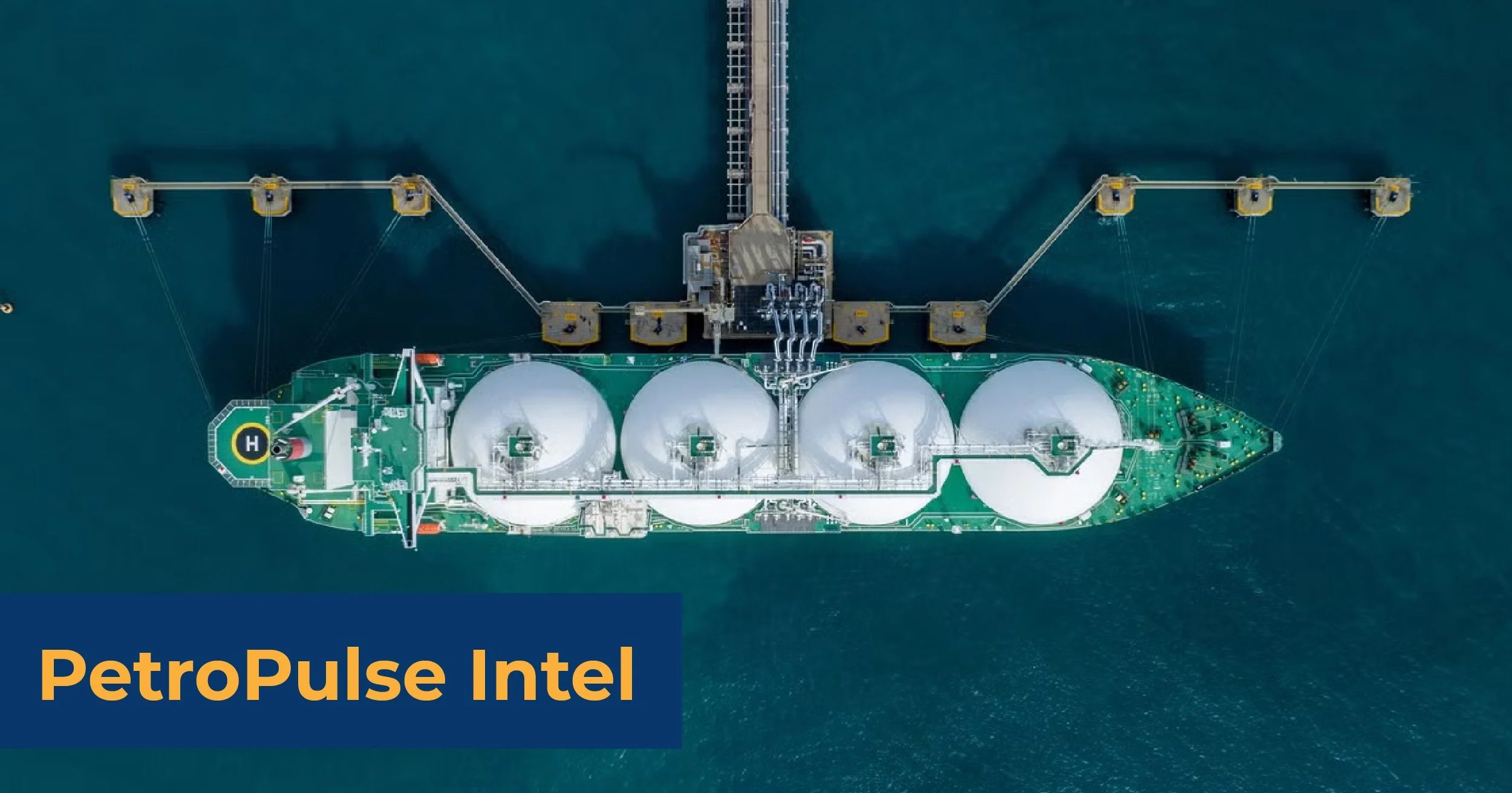
● 40%+: The current share of LNG (gas cooled to liquid form for shipping) in Europe’s total gas supply, up from 35% last year.
● $2.8/MBtu: The price premium Asia now holds over Europe, flipping the market and drawing "flexible" cargoes away from European ports.
● 104 bcm: The all-time high volume of LNG imported by Europe this winter (roughly 104 billion cubic meters).
● ~0: The level to which Israeli piped gas exports to Egypt dropped in March 2026, down from a 45% historical share of Egypt’s total imports.
What Changed:
The winter of 2025/26 transitioned from a period of stable prices to one defined by extreme, climate-driven demand shocks. According to the IEA Q2-2026 Gas Market Report, while the season was average overall, specific storms in the US, Europe, and China shattered daily consumption records. These spikes happened simultaneously with production outages in the US, forcing a heavy reliance on emergency storage and pushing prices to historic levels that far exceeded previous forecasts.
Why It Matters:
For the global market, this highlights a new era of "cross-basin competition." LNG is no longer a secondary fuel; it is the primary stabilizer for major economies. When shipping lanes close or regional pipelines fail, the market enters a hyper-volatile state where energy security is defined by a bidding war. Wealthier hubs in Asia and Europe must now constantly outbid one another for the same limited pool of flexible cargoes, leaving little room for error in global logistics.
Why Africa Should Care:
African nations are experiencing both the benefits and the severe risks of this shifting competition. While Gas-Producing States in North Africa have seen their piped exports to Europe gain strategic importance, Gas-Importing Economies like Egypt are facing a crisis. The total loss of piped imports from Israel forced Egypt to rely on record-high, expensive LNG imports exactly when global prices were soaring. For the continent, this volatility increases fiscal exposure (budgetary pressure), as governments must compete for the same ships as Asia and Europe, often leading to domestic energy shortages and forced austerity.
