Mahama Cabinet Moves to Cushion Fuel Shock as Hormuz Fallout Ripples Through Ghana’s Economy
As global oil markets continue to convulse under Middle East tensions linked to the Strait of Hormuz, the Mahama administration has moved to blunt the domestic pass-through of the shock with a temporary suspension of selected fuel taxes and distributor margins, alongside a push to expand subsidised public transport capacity and reinforce austerity signals at the top of government. This move marks the Mahama administration’s most direct intervention yet to stabilise pump prices. But beneath the fiscal relief lies a harder reality: Sub-Saharan Africa’s growth downgrade, surging shipping and insurance costs, and a repriced crude market that is increasingly transmitting geopolitical risk straight into the cost of living.
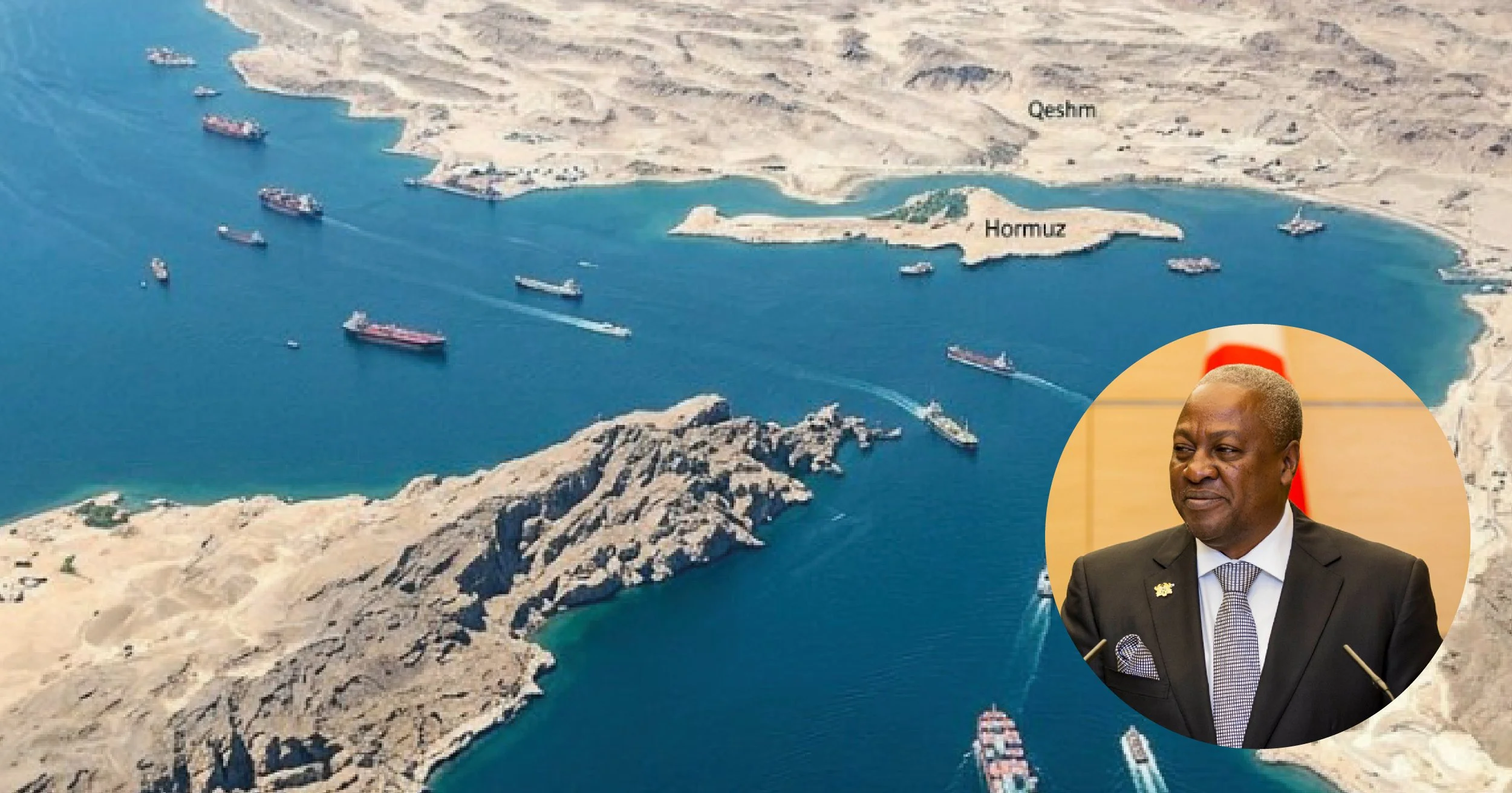
Accra, Ghana | April 10, 2026 — The Mahama administration has moved to temporarily strip selected taxes and distributor margins from petroleum pricing in a bid to arrest rising pump costs, as the geopolitical shockwaves from the Middle East’s Hormuz crisis tighten their grip on global energy markets and deepen pressure across Sub-Saharan Africa.
The Cabinet has directed Finance Minister Dr. Cassiel Ato Forson and Energy Minister John Abdulai Jinapor to immediately remove certain taxes and margins on fuel, a measure expected to take effect from the next pricing window in about a week and run for an initial four-week period. In parallel, Transport Minister Joseph Bukari Nikpe has been tasked to fast-track the deployment of 100 newly acquired Metro Mass Transit buses along high-traffic corridors, with instructions that they charge lower fares than private operators.
President John Dramani Mahama has also reaffirmed the ban on fuel allowances for ministers and senior government officials, reinforcing a broader austerity signal as imported inflation intensifies. In earlier remarks at the Kwahu Business Forum, Mahama noted the severity of the external shock, stating that crude oil had climbed “from approximately $68 per barrel to nearly $120 per barrel” at the height of Middle East tensions linked to the Iran–Israel conflict and wider Hormuz-related risk escalation.
Hormuz Shock Transmits Into Domestic Fuel Prices
Global oil volatility has filtered quickly into Ghana’s domestic pricing structure. Petrol and diesel now trade at the floor prices of GHS 13.30 per litre and GHS 17.10 per litre, respectively, for the 1st pricing window of April 2026, reflecting both crude benchmarks and elevated logistics costs.
The National Petroleum Authority (NPA), led by CEO Godwin Eduzi Tamakloe, insists the country remains insulated from physical shortages. He stated: “Ghana currently has no problem with supply reliability,” stressing that the policy challenge is price transmission rather than availability.
Stock positions remain relatively strong, with approximately six weeks of petrol cover and seven weeks of diesel cover reported in late March, supported by scheduled vessel arrivals carrying tens of thousands of metric tonnes through April.
Global Price Spiral: Crude, Freight, and Insurance Shock
The scale of upstream cost escalation has been significant. Mr. Tamakloe disclosed that diesel pricing benchmarks have surged from roughly $695–$700 per metric tonne to about $1,427, more than doubling within weeks of the geopolitical escalation.
He also warned that insurance premiums and shipping risk charges have risen sharply, while import premiums for traders have moved from around $20 to as high as $170–$200 per barrel equivalent, reflecting heightened global risk pricing.
CBOD CEO Dr. Patrick Kwaku Oseireinforced the point that global benchmarking ensures rapid transmission of shocks, noting: “any geopolitical tension automatically affects countries worldwide.” He further highlighted that freight insurance costs have risen from the low thousands to over $1 million in some cargo structures, while demurrage charges have climbed from roughly$30,000–$50,000 per day to as high as $80,000–$120,000 per day for delayed shipments into late April and May.
Supply Security Holding — For Now
Despite cost pressures, supply flows remain stable. The NPA confirms multiple inbound cargoes between late March and early April, including consignments of approximately 42,000 metric tonnes per vessel for diesel and 37,000 metric tonnes for petrol, alongside additional shipments scheduled across a 7–9 April delivery window.
CBOD also estimates that less than 20% of Ghana’s supply exposure is tied directly to the Gulf region, with diversified sourcing helping to stabilise availability. Domestic refining—particularly through the Sentuo Refinery, which now contributes roughly 30% of daily consumption, is also acting as a buffer.
Government Response: Tax Relief and Structural Adjustments
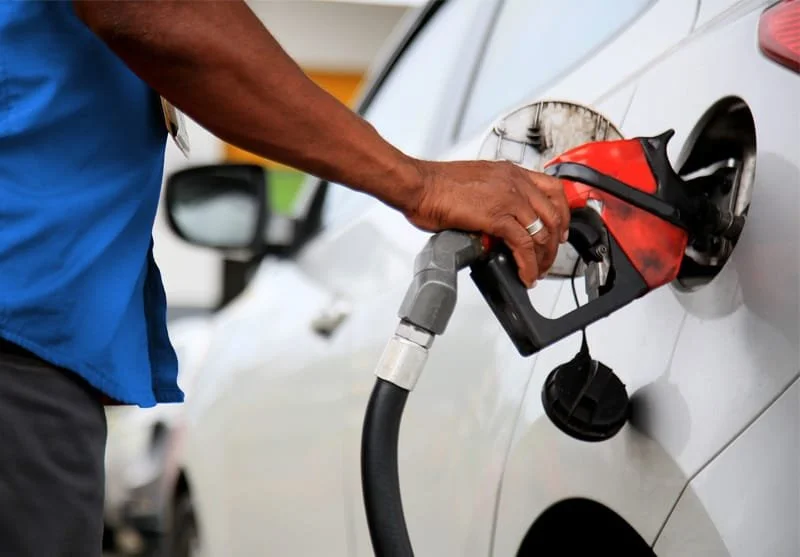
The immediate policy response centres on temporary fiscal relief. The Cabinet directive to suspend selected fuel taxes and margins for four weeks is designed to soften the pass-through of international price spikes into retail prices, while longer-term measures remain under review.
Earlier proposals by the NPA included a differentiated exchange rate for fuel importers to reduce landed costs, but this was not adopted due to constraints under existing international financial arrangements. He also points to the relative stability of the cedi as a partial absorber of external shocks.
President Mahama has described the approach as tweaking, signalling an effort to balance relief with fiscal credibility as debt servicing pressures remain elevated.
Regional Outlook: Downgrades Signal Slower Recovery
The macroeconomic backdrop across Sub-Saharan Africa is deteriorating more visibly.
The World Bank has revised its 2026 growth forecast for the region to 4.1%, down from the 4.4% projection in October 2025, and broadly unchanged from the 2025 estimate of 4.1%. The institution attributes the downgrade to spillovers from the Middle East conflict, rising global fuel and fertiliser costs, and persistent debt vulnerabilities that continue to constrain fiscal space and private investment.
In parallel, theAfrican Development Bank (AfDB) projects regional growth at around 4.3% for 2026, but cautions that debt service costs are absorbing a growing share of fiscal revenue in many economies. In several oil-importing countries, energy import bills now account for a significantly higher share of foreign exchange outflows, amplifying currency pressure and limiting import cover.
Across the region, analysts note that even modest oil price spikes now have outsized macroeconomic effects: higher transport inflation, tighter monetary policy stances, and slower job creation in urban informal sectors heavily dependent on fuel-driven logistics.
Outlook: Relief Measures Against a Global Price Cycle
Ghana’s intervention package reflects a constrained balancing act: temporary tax relief and expanded public transport capacity versus a global energy system increasingly driven by geopolitical risk premiums rather than supply fundamentals.
For policymakers, the challenge is not whether fuel is available, but at what price it arrives—and how long domestic buffers can absorb that volatility without fiscal strain intensifying.
The Strait of Hormuz may be geographically distant, but in Ghana’s current macroeconomic equation, it is effectively embedded in every litre sold at the pu
