
Iberdrola Turns Valdecañas Into a Bigger Water Battery for Spain’s Renewable Grid
Iberdrola has turned its Valdecañas pumped-storage station into a bigger hydraulic battery for Spain’s renewable grid, adding 355 MW of system capacity and 210 GWh of storage without new civil works. The upgrade, now through its first pumping operations, underscores a wider shift in Europe’s energy transition: the race is no longer just to build more wind and solar, but to store their output when the grid needs it most.
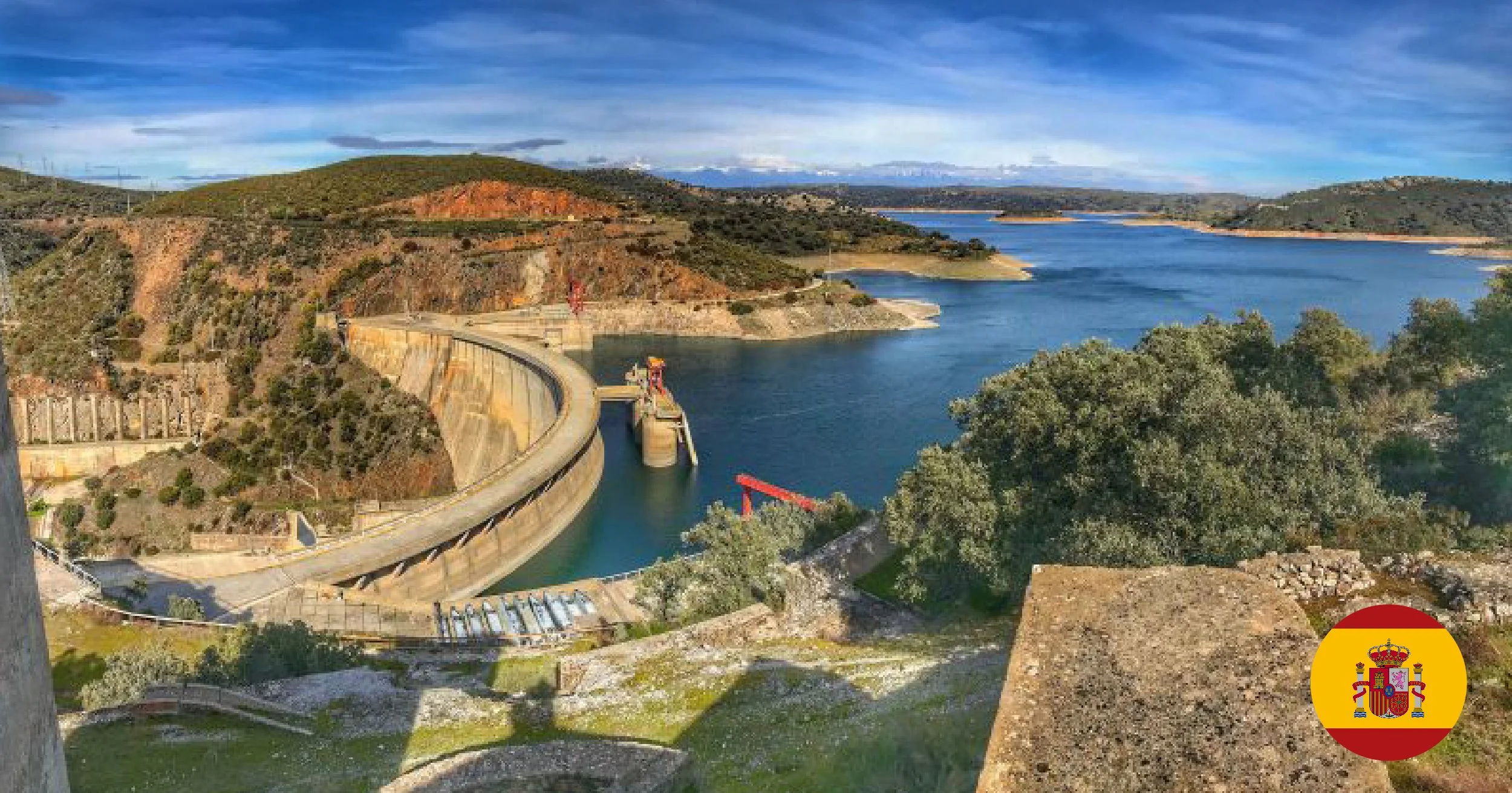
Photo Credit: Iberdrola Power
Cáceres, Spain | May 12, 2026 - Iberdrola España has commissioned technological upgrades at the Valdecañas pumped-storage station in Cáceres, increasing the Tagus River system’s capacity by 355 MW and adding 210 GWh of storage as Spain looks for more ways to balance a power grid increasingly shaped by wind and solar.
The company said the upgraded facility has already completed its first pumping operations, moving the project from staged commissioning into the operating logic of long-duration storage: using surplus electricity to pump water between reservoirs, then releasing it later to generate power when demand rises or renewable output falls.
The Valdecañas project connects the Alcántara and Valdecañas reservoirs, described by Iberdrola as two of Europe’s largest, and includes a 15 MW/7.5 MWh hybrid battery system. According to the company, the additional storage is equivalent to the average annual consumption of 60,000 households, more than four million electric-vehicle batteries, or more than two weeks of electricity demand in Extremadura.
From Commissioning to First Pumping Operations
The upgrade did not emerge as a new-build hydro project. It has been assembled as a technical deepening of an existing hydroelectric system, using the geography, reservoirs and grid infrastructure already in place.
In March 2025, Iberdrola began commissioning the first stage of the Valdecañas pumped-storage project near Cáceres. At that point, the facility was reported as having an initial 225 MW nameplate capacity, hybridised with a 15 MW/7.5 MWh battery energy storage system, and designed to add 210 GWh of storage capacity to the local Tagus system.
By May 2026, the company had moved from commissioning into operational proof. The first pumping operations had been successfully carried out, confirming the facility’s ability to absorb surplus power and return it to the grid when system conditions require it.
That chronology matters. Iberdrola is not simply announcing capacity on paper. It is demonstrating that the project has entered the practical business of storage: charging when renewable output is abundant, discharging when the power system needs firm supply, and using existing hydro infrastructure to stretch Spain’s renewable capacity across time.

More Storage, No New Civil Works
The striking feature of the Valdecañas expansion is not only the scale of the additional storage. It is how Iberdrola says it was achieved.
The company said the works were confined to electromechanical upgrades designed to increase operational flexibility. No new civil infrastructure was required, reservoir levels were not modified, and no new transmission lines were built because the project uses existing electricity infrastructure.
That gives the project a sharper strategic profile. At a time when new energy infrastructure across Europe is often slowed by permitting, land-use constraints and grid-connection bottlenecks, Valdecañas shows the value of extracting more flexibility from assets already embedded in the system.
For Spain, where solar and wind generation are increasingly central to the power mix, storage is becoming as important as generation itself. Pumped storage works by using surplus electricity to pump water to a higher reservoir, then releasing that water through turbines when demand rises or renewable output falls. In practical terms, Valdecañas gives Iberdrola a larger hydraulic battery at the heart of the Tagus system.
The Tagus System Becomes a Flexibility Asset
Valdecañas sits within a broader Tagus River hydro chain. Iberdrola said the coordinated operation of Valdecañas, Torrejón, Alcántara and Cedillo, together with management of the Tiétar tributary through pumping, can help regulate flood peaks, reduce flood risk, preserve ecosystems and create strategic water reserves throughout the year.
That is the deeper energy story. Pumped storage is not merely about holding electricity in reserve. It is also about dispatchability, water management and system resilience. In a grid with rising shares of variable renewable energy, the ability to shift surplus midday solar output into later periods of demand is increasingly valuable.
Iberdrola has framed the Torrejón-Valdecañas system as a giant hydraulic battery, able to pump water during periods of surplus renewable generation and release it during peak demand, reducing the need to call on higher-emitting generation when the system is under pressure.
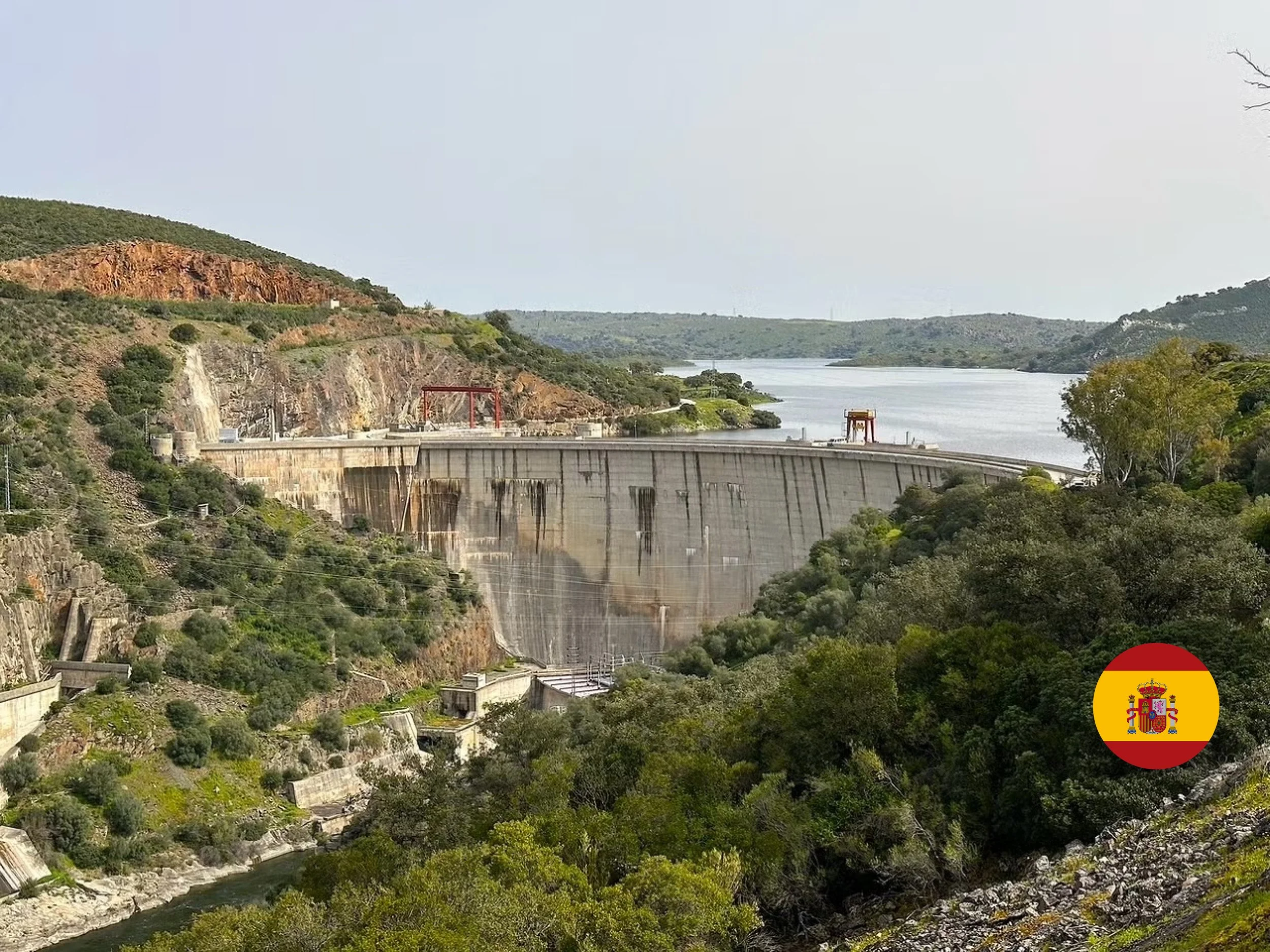
Photo Credit: International Water & Power Dam Construction
Part of a Larger Spanish Storage Strategy
The Valdecañas upgrade also fits into Iberdrola España’s wider storage strategy, which combines large-scale pumped storage with battery energy storage systems and smart grids. The company said its hydroelectric facilities in Extremadura have a combined capacity of 2,000 MW, while its pumped-storage hydroelectric portfolio across Spain exceeds 4,200 MW.
The broader market signal is clear. As Europe leans harder into wind and solar, the next competitive edge in power systems will not come only from building more renewable megawatts. It will come from building the flexibility to move those megawatts across time.
Pumped storage remains the dominant global long-duration storage technology. The International Hydropower Associationsays pumped storage accounts for more than 94% of the world’s long-duration energy storage capacity, giving it a central role in grids that must reconcile renewable abundance with demand volatility.
Still, Iberdrola’s own statement carries a warning. The company said future pumped-storage development will require long-term water concessions and appropriate revenue stabilisation mechanisms.
That caveat is central to the economics of the transition. Valdecañas shows what can be done when existing infrastructure, hydro geography and storage demand align. Whether Spain can replicate that at scale will depend not only on engineering, but also on concessions and market-design rules that reward the long-duration flexibility now becoming indispensable to renewable power systems.
