
Scatec JV Starts Commercial Operation Of Battery System In the Philippines
Scatec’s joint venture with Aboitiz Power has brought the 16 MW Magat BESS 2 into commercial operation, deepening a hydropower-backed storage platform in the Philippines as the country leans harder on flexible grid assets to support its renewable energy ambitions. Connected to the Magat hydropower plant, the battery system gives Scatec a stronger foothold in the ancillary services market, where fast-response storage is becoming central to keeping power systems stable, monetisable and ready for a higher-renewables future.
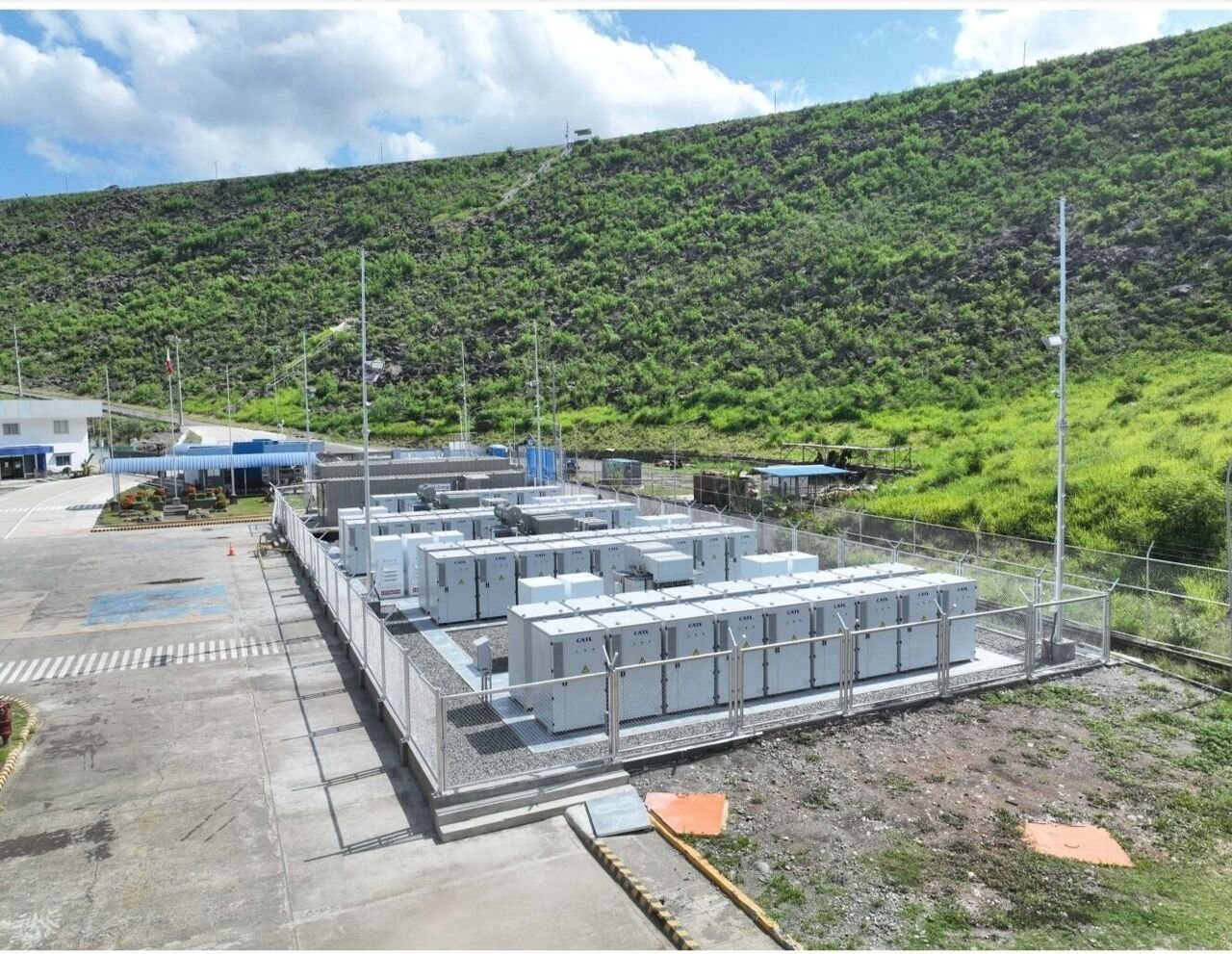
The Philippines | May 19, 2026 - Scatec ASA’s joint venture with Aboitiz Power has started commercial operation of the 16 MW Magat battery energy storage system in the Philippines, extending a hydropower-backed storage platform in a liberalised power market where renewable integration is increasing the value of fast-response grid assets.
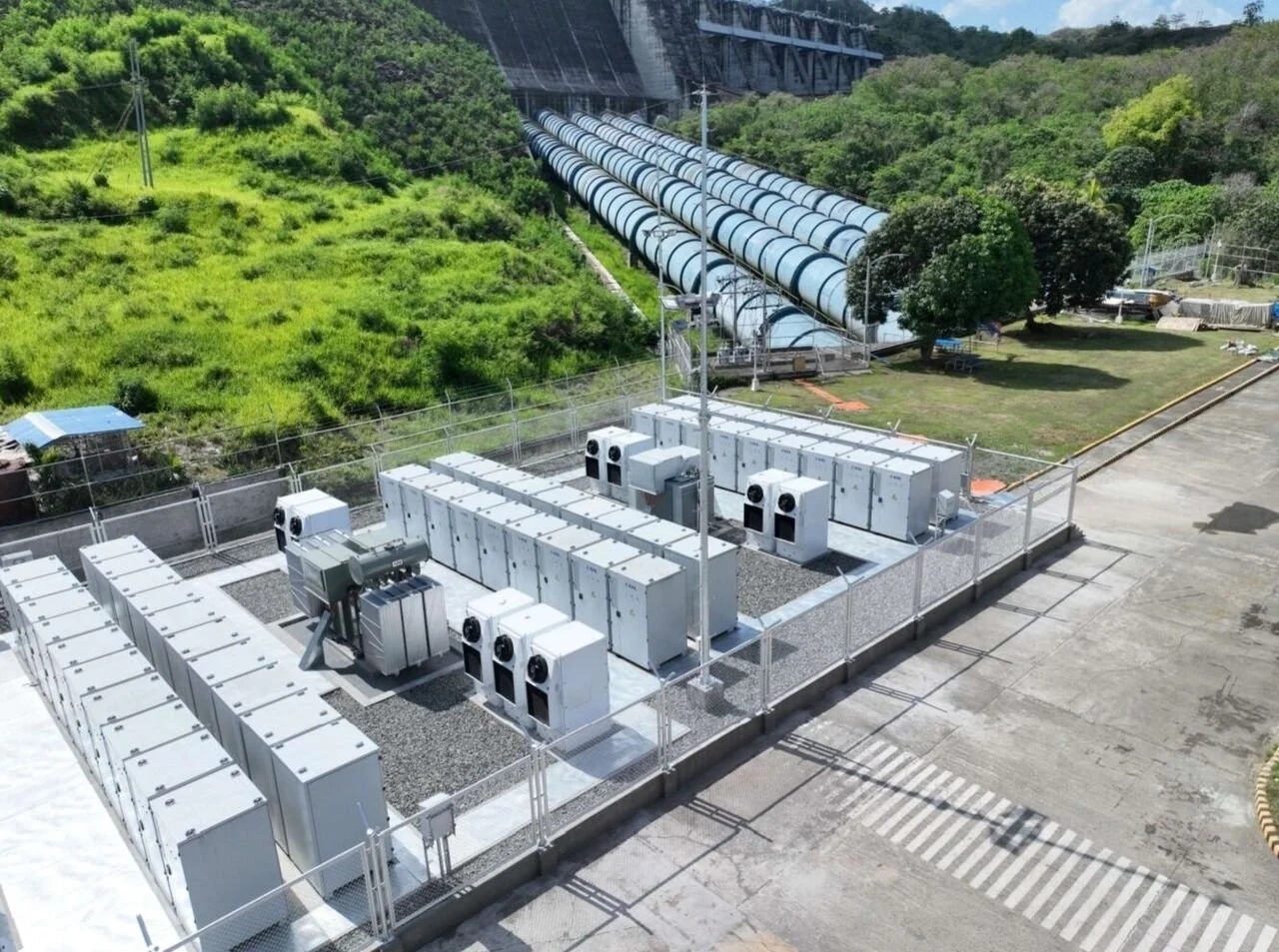
The project, known as Magat BESS 2, is connected to the Magat hydropower plant and is expected to earn revenue from the Philippines’ ancillary services reserves market, where fast-response assets are increasingly needed to support frequency stability as more renewable energy enters the grid. Scatec announced the commercial operation milestone on 15 May 2026.
From Hydro Platform to Storage Platform
The development marks the next step in a partnership that has already establishedScatec and Aboitiz Power as significant players in the Philippines’ renewable power system. Scatec says its joint venture with Aboitiz Power is the largest private hydropower company in the country, with 642 MW in operation and median production of 810 GWh.
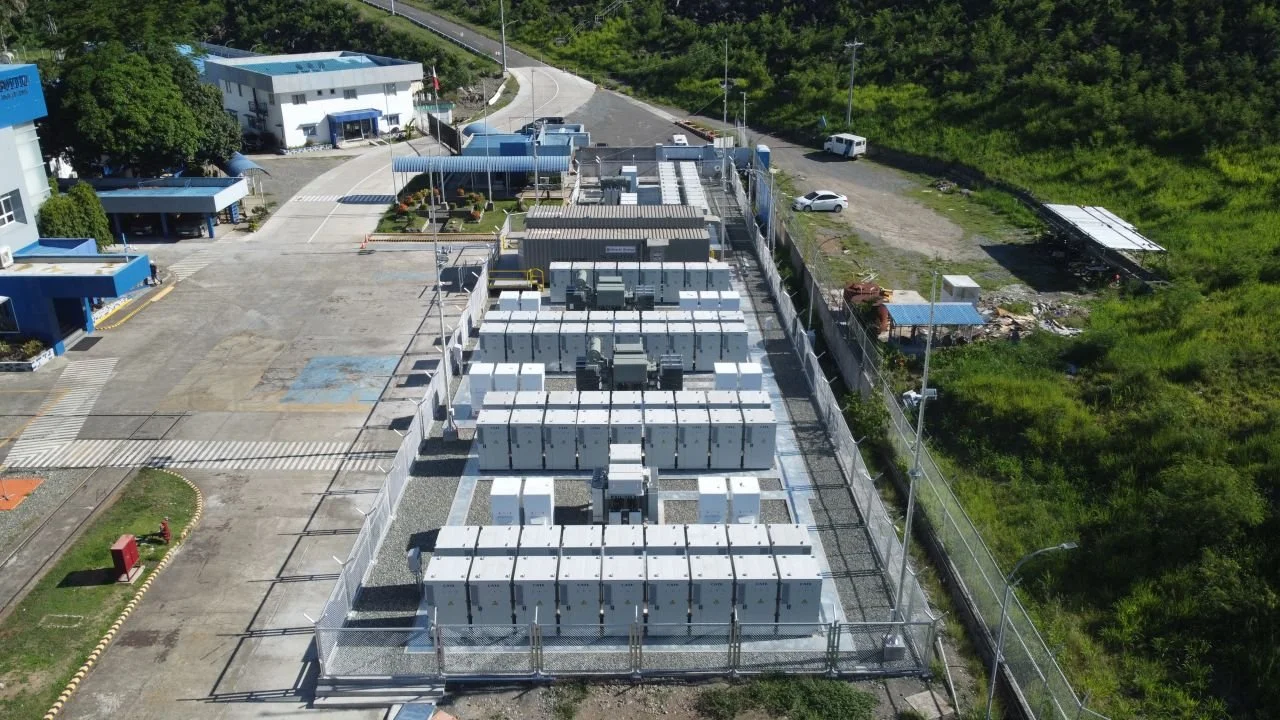
That hydropower base has now become the platform for a broader storage build-out. The new 16 MW battery follows an existing 24 MW battery energy storage system connected to the Magat power plant, which Scatec said began operation in 2024 and has since generated solid ancillary services revenues. Scatec said the Magat BESS 2 milestone brings its operating battery capacity in the Philippines to 40 MWh, with another 120 MWh under construction.
Why One-Hour Batteries Matter
For the Philippines, the commercial logic is as important as the technology. Scatec said one-hour batteries are well suited for ancillary services because they can respond quickly, support grid frequency stability, deliver multiple grid services, and remain cost-competitive. That matters in a power market where the country’s renewable energy ambitions are placing a premium on flexible assets that can help keep the system balanced.
The policy backdrop is clear. The Philippines has been working to raise the share of renewable energy in its power mix, with the government’s updated renewable energy plan targeting a 35% renewable energy share by 2030 and 50% by 2040.
A Bigger Battery Pipeline
The Magat milestone is not an isolated battery project. It is part of a wider storage queue for the Scatec-Aboitiz platform in the Philippines. Scatec said it now has 40 MWh of operating battery capacity in the country and another 120 MWh under construction.
“Starting commercial operation of Magat BESS 2 further strengthens our position within battery storage and ancillary services in the Philippines. We now have 40 MWh operating battery capacity and another 120 MWh under construction. The project builds on the successful operating track record of the existing Magat battery system and demonstrates our ability to develop flexible energy infrastructure supporting grid reliability and renewable energy integration,” Scatec CEO Terje Pilskog said.
Scatec’s Emerging-Market Storage Play
For Scatec, the Philippines project fits a broader corporate model built around developing, building, owning and operating renewable energy plants in emerging markets. The Oslo-listed company describes itself as a renewable energy solutions provider with 6.4 GW of generation capacity and 2 GWh of storage capacity in operation and under construction across five continents.
The Magat BESS 2 project also reflects Scatec’s increasing exposure to storage as a revenue-generating complement to generation assets. In the Philippines, that means moving beyond hydropower output alone and into grid services that monetise flexibility.
Aboitiz Power’s Domestic Reach
The local partner brings scale of a different kind. AboitizPower describes itself as one of the Philippines’ leading renewable energy providers, with a portfolio spanning hydroelectric, geothermal, solar and thermal facilities. It also owns interests in major distribution utilities, including the country’s second- and third-largest distribution utilities, giving it a broad position across generation, distribution and retail electricity services.
The company’s business profile shows 51 power generation facilities nationwide, 1,187 MW of renewable attributable net sellable capacity and 5,284 MW of total attributable net sellable capacity. Its distribution utility footprint covers more than one million customers.
Financing Through the Magat Asset Base
The project is owned by Scatec’s 50-50 joint venture with Aboitiz Power in the Philippines and was financed through debt facilities related to the Magat hydropower plant. That structure underscores the strategic value of pairing storage with an existing hydropower asset: the battery system can be embedded into a known operating platform while opening a new revenue stream in ancillary services.
For a market trying to add more renewable generation without weakening grid reliability, Magat BESS 2 is a modest project in megawatt terms but a pointed signal in system terms. It shows how Southeast Asia’s power transition is increasingly being built not only around new generation capacity, but around the fast-responding infrastructure needed to make that generation easier to integrate, monetise and balance at grid level
