
Senegal’s Energy Reset Meets Nigeria’s Licensing Clock
West Africa’s energy story this week was written less in steel than in institutions. Senegal installed new energy leadership, Nigeria put its 2026 upstream licensing round on the clock and Ghana’s regulators confronted the quieter machinery of downstream discipline, distributed power and refinery recovery. Together, the signals point to a region where the next energy cycle will be won not only by barrels and basins, but by the credibility of the rules around them.
Dakar, Senegal | June 11, 2026 - West Africa’s energy politics moved through the institutional machinery this week, not just the project pipeline.
Senegal named Dr El Hadji Abdourahmane Diouf as Minister of Energy and Petroleum in a new government composition issued on June 1, placing fresh political leadership over a sector entering one of the most consequential phases in the country’s economic history. In Abuja, Nigeria’s upstream regulator put a Q3 marker on the country’s 2026 licensing round, while Meren Energy signalled fresh investment interest in a market still asking whether reform can overcome the drag of security, fiscal and execution risks.
For Ghana, the same governance thread ran through less glamorous but equally revealing channels: premix-fuel accountability, distributed-generation policy work and the still-unfolding recovery of Tema Oil Refinery. Taken together, the week’s developments showed a region where the next energy cycle will be shaped as much by ministries, regulators and enforcement systems as by fields, cargoes and refineries.
Dakar Changes the Ministerial Guard
Senegal’s new government composition lands at a delicate moment for the country’s hydrocarbon sector.
The appointment of Diouf as Minister of Energy and Petroleum comes as Senegal moves deeper into the production-era politics that follow major discoveries and early hydrocarbon milestones. For a country that has spent years positioning itself as one of West Africa’s most promising new petroleum provinces, the ministerial change is more than an administrative update. It places fresh attention on policy continuity, investor confidence and the domestic politics of managing expectations around petroleum revenue.
The key issue is not whether Dakar is preparing an abrupt policy break. There is no basis yet to say that. The more important point is institutional timing. New leadership is taking charge of the energy portfolio after Senegal’s first offshore oil project moved into production and as the contribution of Sangomar and Greater Tortue Ahmeyim to extractive revenues is expected to rise. That puts government decisions on contracts, regulation, state participation and revenue management under sharper scrutiny.
That is the hinge on which Senegal’s energy moment now turns. Discoveries and project milestones create national optimism. Production creates pressure. A minister entering the portfolio at this stage inherits not only a sector but a public bargain: hydrocarbons must translate into durable national value without unsettling the investment confidence needed to keep projects moving.

Abuja Puts Acreage Back on the Clock
If Senegal’s signal was political, Nigeria’s was regulatory.
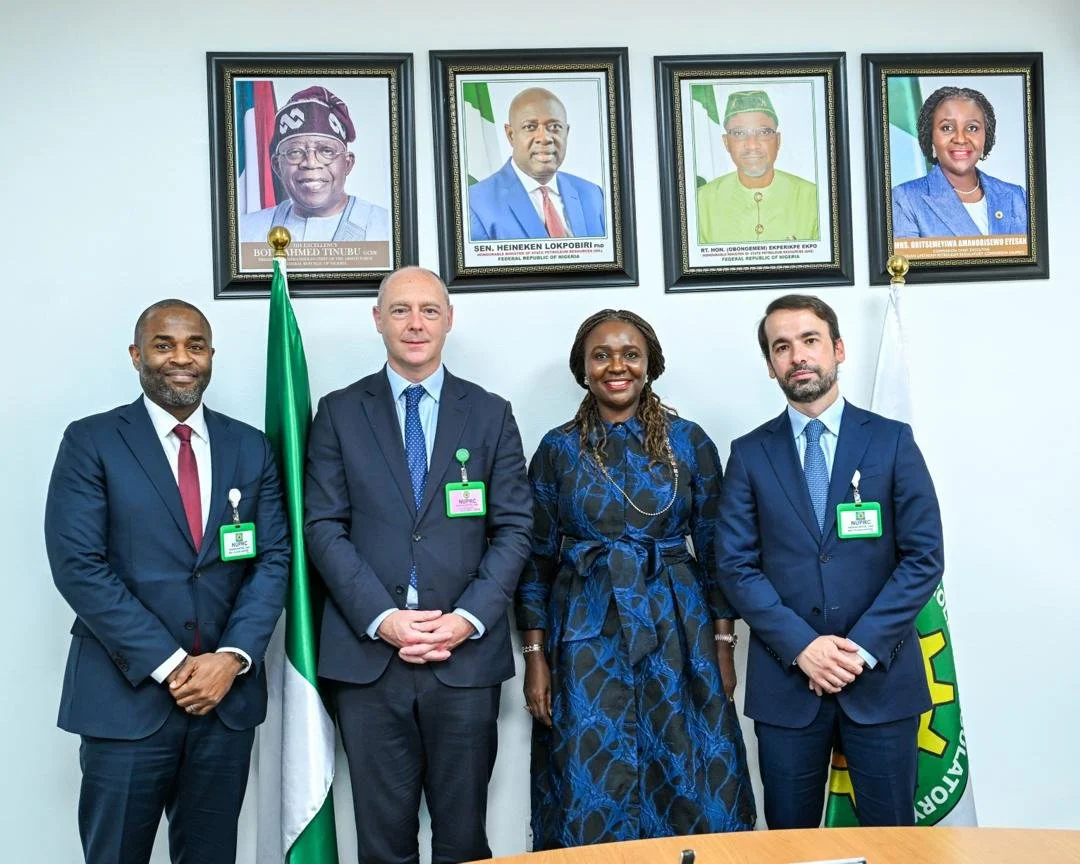
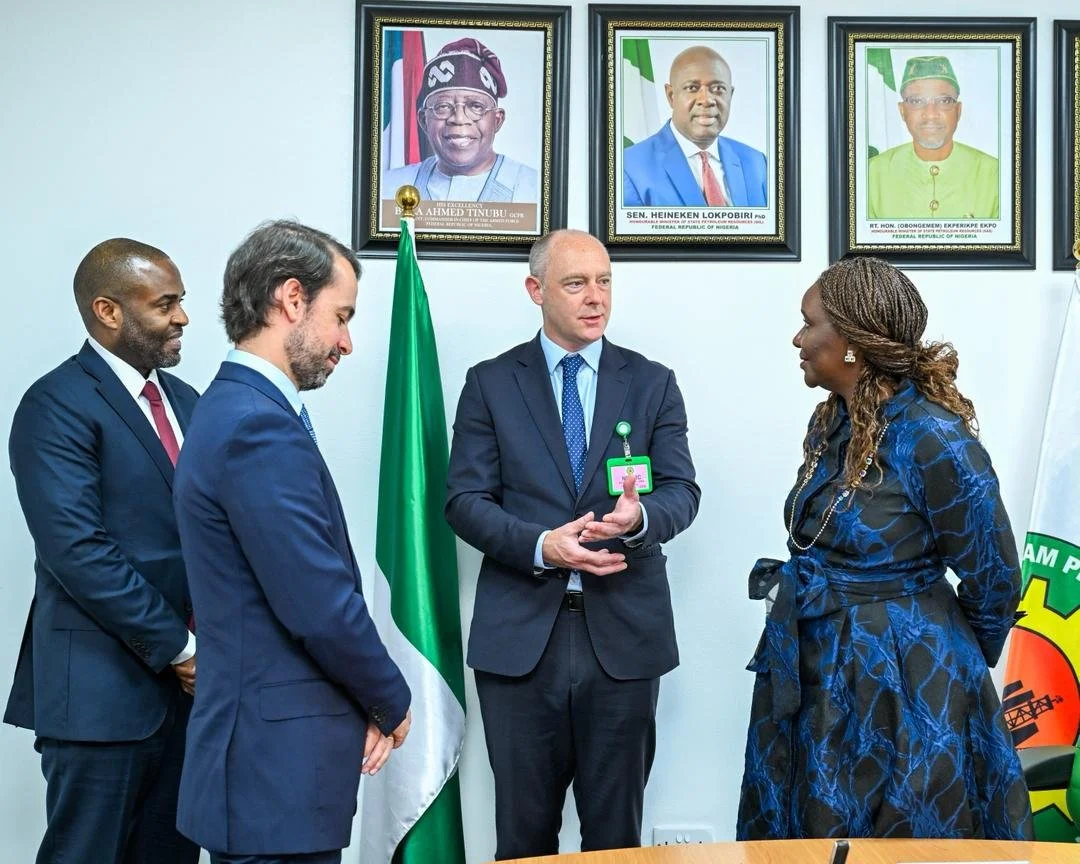
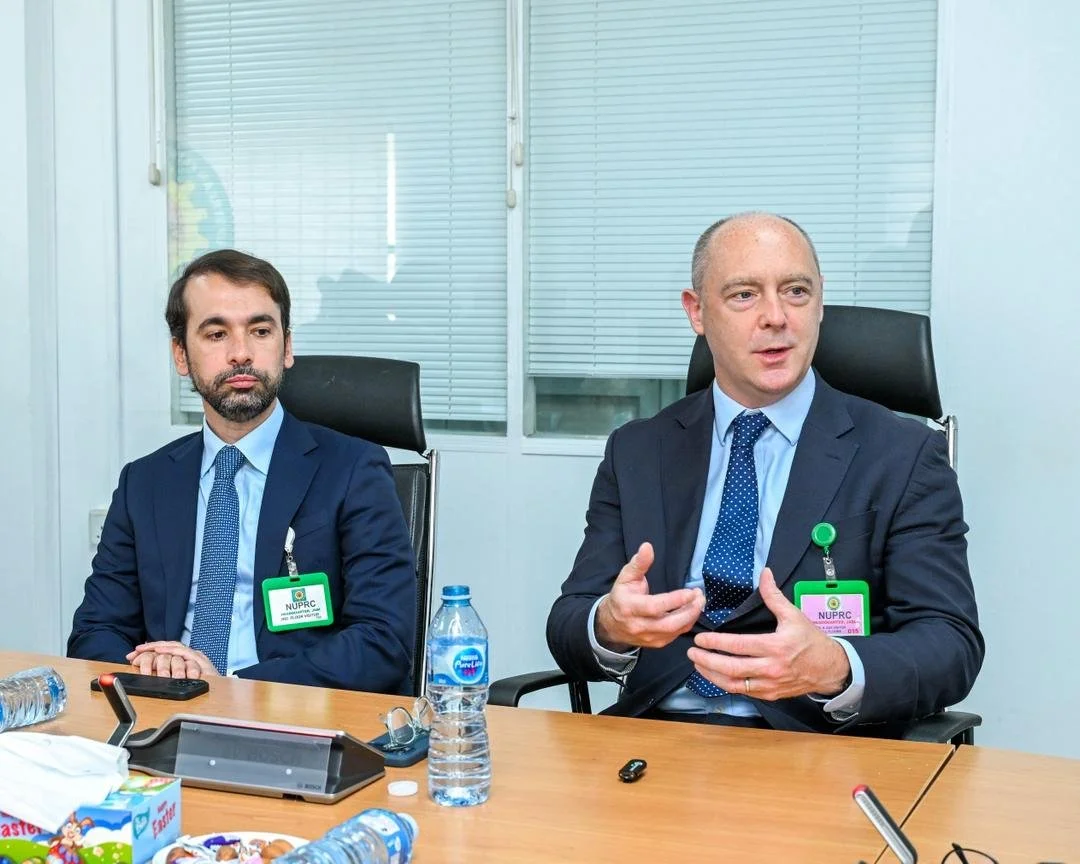
The Nigerian Upstream Petroleum Regulatory Commission (NUPRC) said the country’s 2026 Licensing Round would commence latest by the third quarter of 2026, after ministerial approval, during a meeting at which Meren Energy indicated plans for fresh investments in Nigeria’s upstream sector. The timing matters. Nigeria is trying to show that its upstream reform programme can still pull capital into acreage, production and reserves replacement despite the long shadow of oil theft, underinvestment and operational insecurity.
The licensing round is therefore not just a calendar event. It is a test of the credibility of Nigeria’s post-Petroleum Industry Act architecture. Abuja has spent the past few years trying to convince operators that the rules of the game are clearer, the regulator is more commercially disciplined and the fiscal terms can compete for capital in a world where upstream investment is still available but more selective.
Meren Energy’s engagement gives the round an early investor-interest signal, but it should not be overstated. One company’s investment appetite does not mean Nigeria has solved the structural questions that have weighed on the upstream sector. The stronger reading is more cautious and more useful: Nigeria still has assets investors want, and the 2026 licensing round will show whether regulatory reform can convert that interest into commitments.
That distinction is important. West Africa is no longer competing only on geology. It is competing on the quality of institutions around the geology. Investors can find barrels elsewhere. What Nigeria is trying to prove is that it can offer acreage with rules, timelines and a regulator capable of moving decisions from announcement to execution.
Ghana’s Governance Story Runs Below the Headline Line
Ghana’s signals this week were quieter, but they carried the same institutional theme.
In the downstream sector, TOR’s board inspection of ongoing projects and expansion plans added a governance note to a refining reset already visible in the country’s push to process more of its own crude at home. That development belongs inside a wider question Ghana has been forced to revisit with greater urgency: how much of its own petroleum value chain it can retain domestically after years of exporting crude and importing refined products at a premium.
But the sharper governance signal came from the premix-fuel market. The Chamber of Oil Marketing Companies (COMAC), led by its chief executive, Dr. Riverson Oppong, paid a courtesy call on the Minister for Fisheries and Aquaculture to raise concerns over the diversion, hoarding and misuse of subsidised premix fuel. The phrasing matters. The concerns reflect a recognised industry and regulatory issue. Even so, they land in a downstream market where the regulator has already identified the diversion of subsidised petroleum products, including premix fuel, as part of the wider illicit fuel-trade problem.
That distinction is important. Premix fuel sits at the intersection of energy access, fisheries livelihoods and public finance. When the distribution chain attracts such concerns, the issue is not merely whether product reached its intended users in every locality. It is whether the state can defend a targeted subsidy from leakage, arbitrage and political capture. For a country still managing fiscal consolidation pressures, that is not a marginal issue. It is energy governance in its most practical form.
Ghana’s power-sector institutions were also in motion. The Energy Commission’s engagement with Sustainable Energy Africa and GIZ on distributed generation and net-metering points to the regulatory work required as electricity systems become less centralised and more complex.This follows earlier engagements by the commission. Distributed generation is often discussed as technology: solar rooftops, embedded systems and small-scale supply. The harder part is regulatory design. Who connects? Who pays? Who sells? Who balances the system? Who protects the grid from fragmentation while allowing new supply to emerge?
The Energy Commission’s engagement reflects the growing regulatory complexity of the region’s energy transition. It is one more sign that West African energy governance is moving into a more granular phase, where ministries and regulators must manage legacy fuels, refinery recovery, subsidy controls and decentralised power at the same time.
Capital Is Watching the Rules
The week also carried an investment-diplomacy undertone.
Ghana’s engagement around the Ghana–UK Investment Summit 2026 provided a backdrop to the broader story of energy-sector credibility. Investment summits do not, by themselves, finance refineries, build grids or fix subsidy leakage. But they do show how governments are trying to place infrastructure, energy access and industrial policy before capital at a moment when African projects must compete harder for patient financing.
That is the common thread running from Dakar to Abuja to Accra. Senegal’s new energy minister must help preserve confidence as the country’s hydrocarbon economy matures. Nigeria’s regulator must prove that a licensing round can move beyond acreage marketing into bankable execution. Ghana must show that downstream ambition and power-sector modernisation can be matched by discipline in the systems that move fuel, regulate electricity and protect public money.
The prize is capital. The test is credibility.
The Institutional Energy Race
West Africa’s energy race is often told through the visible assets: offshore fields, pipelines, refineries, power plants and import terminals. This week offered a different reading. The decisive action was not only in steel and reservoirs. It was in appointments, licensing calendars, board inspections, ministry engagements, subsidy controls and regulatory design.
That makes the story less dramatic, but more important. Projects may draw the headlines, but institutions determine whether projects survive the cycle between announcement and delivery. A licensing round without trust becomes a brochure. A refinery without governance becomes a liability. A subsidy without enforcement becomes leakage. A distributed-generation policy without regulatory clarity becomes grid risk.
For West Africa, the next energy cycle will not be won only by the countries with the richest basins or the largest refineries. It will be won by the institutions that can turn political intent into bankable rules, enforceable discipline and investor confidence that survives the news cycle.
