Ghana Uses OTC 2026 to Pitch Investment, Technology and a More Capable Petroleum Sector
Ghana’s energy-sector institutions used OTC 2026 in Houston to make a coordinated pitch for investment, technology and operating partnerships, with GNPC and GIPC leading upstream-facing engagements while TOR carried the downstream recovery message. The result was a broader Ghana story: a petroleum sector trying to pair public purpose with commercial discipline, from field development and oilfield services to refining, supply security and industrial capability.
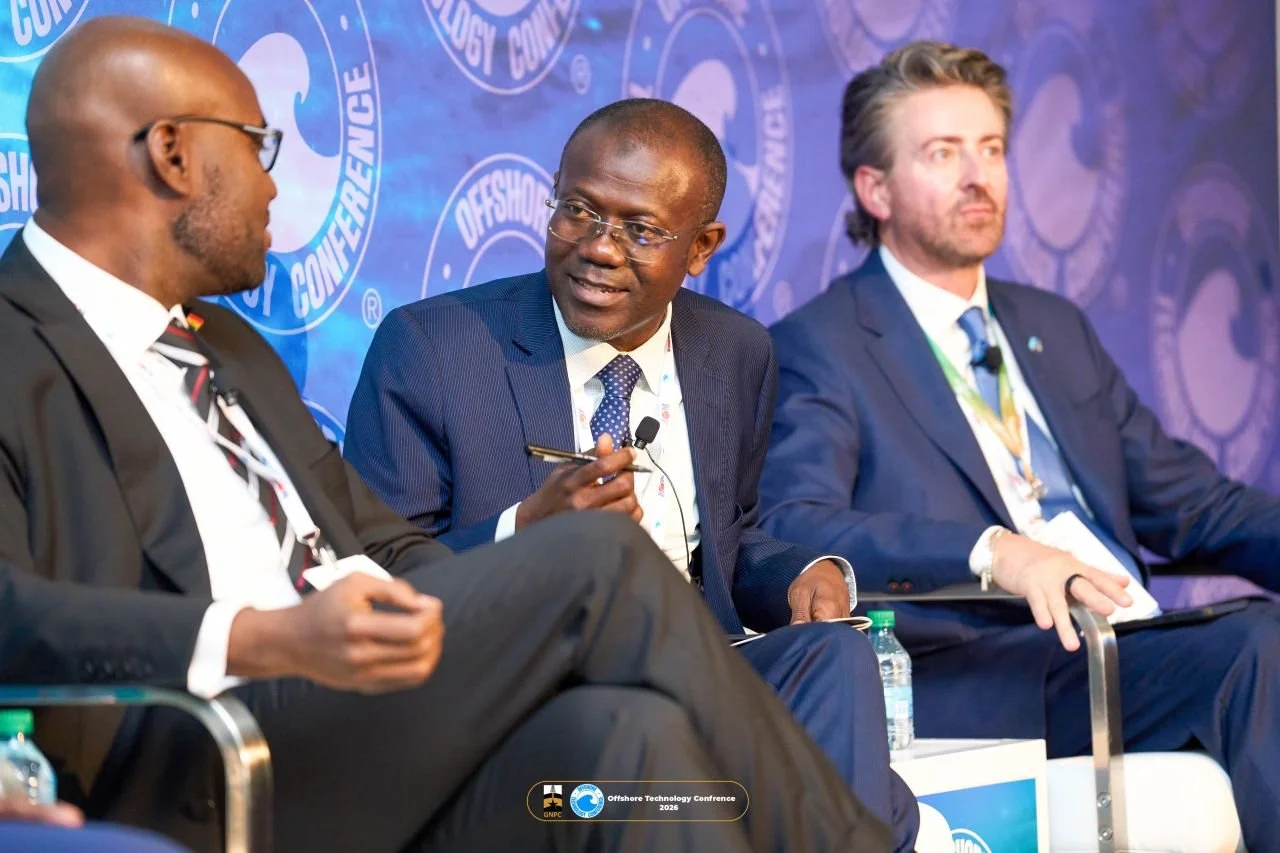
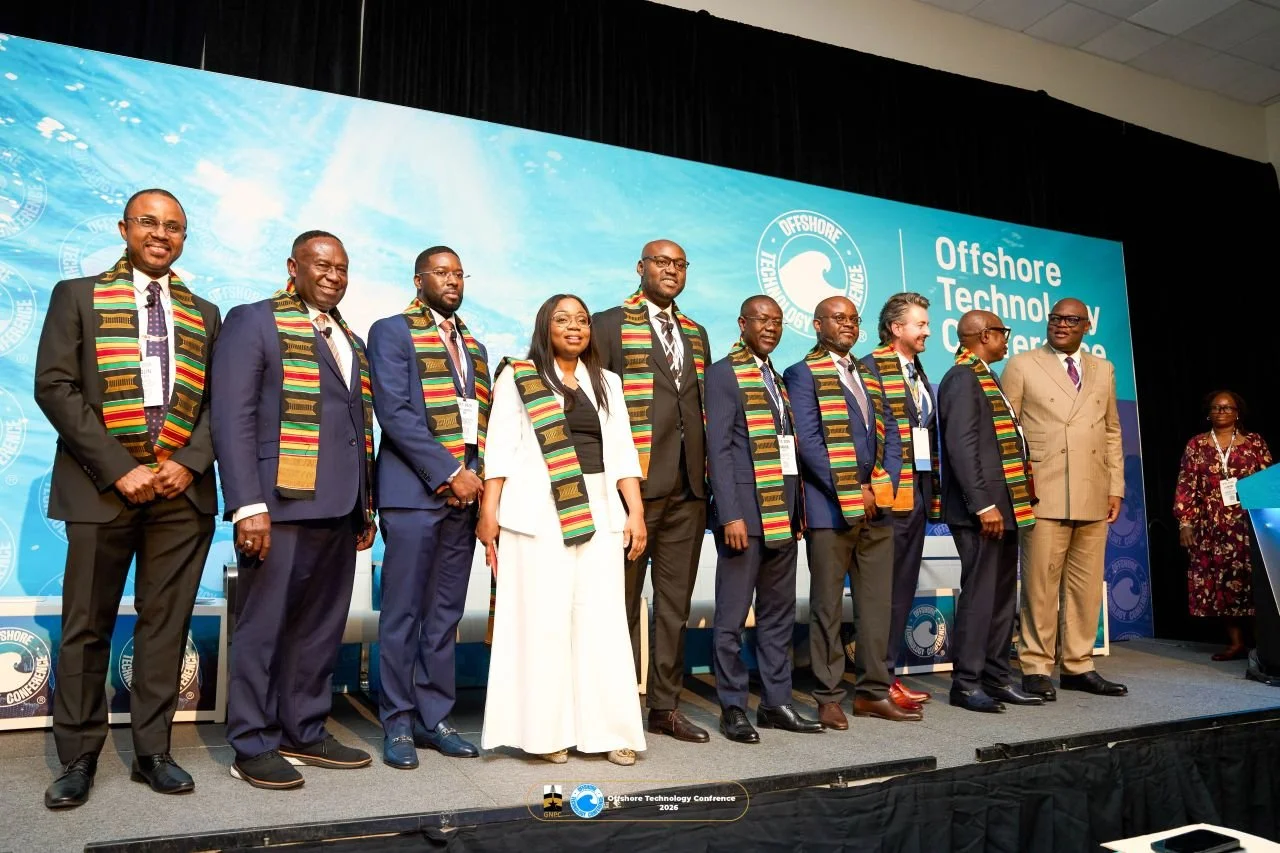
Houston, Texas, The United States of America | May 12, 2026 - Ghana used the Offshore Technology Conference 2026 in Houston to push a coordinated energy-sector message around investment readiness, technical capability and deeper partnerships, with the Ghana National Petroleum Corporation and the Ghana Investment Promotion Centre leading engagements that placed the country’s upstream ambitions before global oilfield service firms, investors and technology providers.
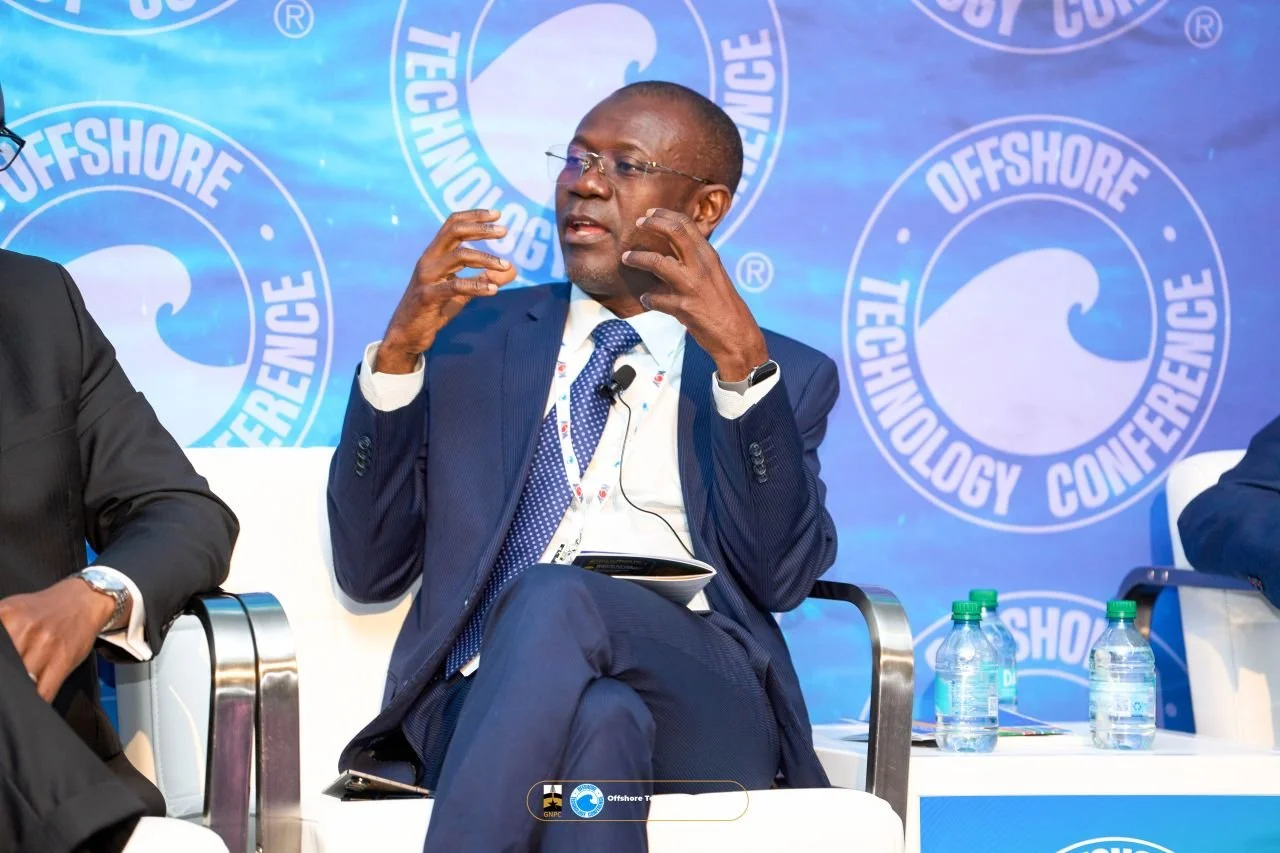
Speaking during an Africa Energy Forum session at OTC 2026 in Houston, GNPC’s Deputy Chief Executive Officer for Finance, Commercial and Administration, Hamis Ussif, framed the Corporation as a national oil company trying to hold two mandates at once: its developmental obligation to Ghana and the commercial discipline expected of a credible joint venture partner. Ghana, he said, remains well positioned for energy investment, describing the country as “ripe for investment.”
The session brought together industry leaders, policymakers and energy-sector stakeholders, including Ghana’s Ambassador to the United States, members of Parliament’s Select Committee on Energy and agencies such as the Ghana Investment Promotion Centre, the Tema Oil Refinery and the National Petroleum Authority. Taken together, the presence of these institutions gave Ghana’s OTC participation a wider petroleum value-chain character, spanning investment promotion, upstream partnerships, downstream recovery and regulatory visibility.
Houston as the Stage
The venue mattered. OTC 2026, held in Houston from 4 to 7 May, brought together offshore energy professionals under the theme, “Steering Offshore Energy Innovation into the Future.” The conference framed offshore energy around oil and gas, offshore wind, tidal and wave energy, and the role of technology in shaping a more sustainable and energy-secure future. OTC describes itself as the world’s premier event for energy professionals to exchange ideas, advance technical knowledge and support the responsible development of offshore resources. Founded in 1969, its global portfolio includes OTC Houston, OTC Brasil and OTC Asia, and has welcomed more than three million professionals over time.
For Ghana, the timing of the engagement aligned with a broader push to revive upstream momentum, court technical partners, and keep the country visible in a global petroleum market where investment decisions are increasingly disciplined. OTC’s own schedule underscored why the conference remains attractive to governments and national oil companies: four days of exhibitions, technical sessions, executive dialogues, keynote engagements and networking events, all concentrated around the technologies and partnerships shaping offshore energy.
GNPC’s Pitch: Developmental Mandate, Commercial Discipline
GNPC’s intervention at the Africa Energy Forum session was built around a delicate but important argument. As Ghana’s national oil company, the Corporation carries a public mandate linked to national resource development, local participation and state interest. But as a partner in complex petroleum projects, it must also demonstrate the commercial reflexes, technical competence and execution discipline that international operators and service companies expect.
That was the significance of Ussif’s emphasis on GNPC’s ability to balance its developmental mandate with the agility required of a joint venture partner. The message was directed not only at investors, but also at service providers, financiers and operators watching whether Ghana’s petroleum institutions can move with the pace and precision of the industry.
The presence of Parliament’s Select Committee on Energy and state agencies alongside GNPC also widened the signal. Ghana was not simply presenting one corporate entity. It was presenting an institutional front around policy, regulation, investment facilitation and petroleum-sector execution.
From Conference Diplomacy to Operating Partnerships
GNPC’s OTC engagements did not end with the forum platform. On the sidelines of the conference, Ussif held a strategic engagement with the leadership of Amni International Petroleum Development Company Limited, with discussions focused on collaboration, project delivery and operational alignment.
The engagement also explored areas where GNPC could leverage its experience and provide specialised support services to help ensure timely and quality execution across agreed scopes of work. A tour of Amni’s Houston facility formed part of the meeting, signalling that the conversation had moved beyond broad investment diplomacy into practical questions of capability, project performance and cooperation.
That is the more consequential layer of Ghana’s Houston outreach. Conference visibility may open the door, but the longer-term test is whether engagements with companies such as Amni can translate into practical cooperation, improved execution and stronger operational capacity for Ghana’s upstream sector.
GIPC Takes the Investment Pitch to Weatherford
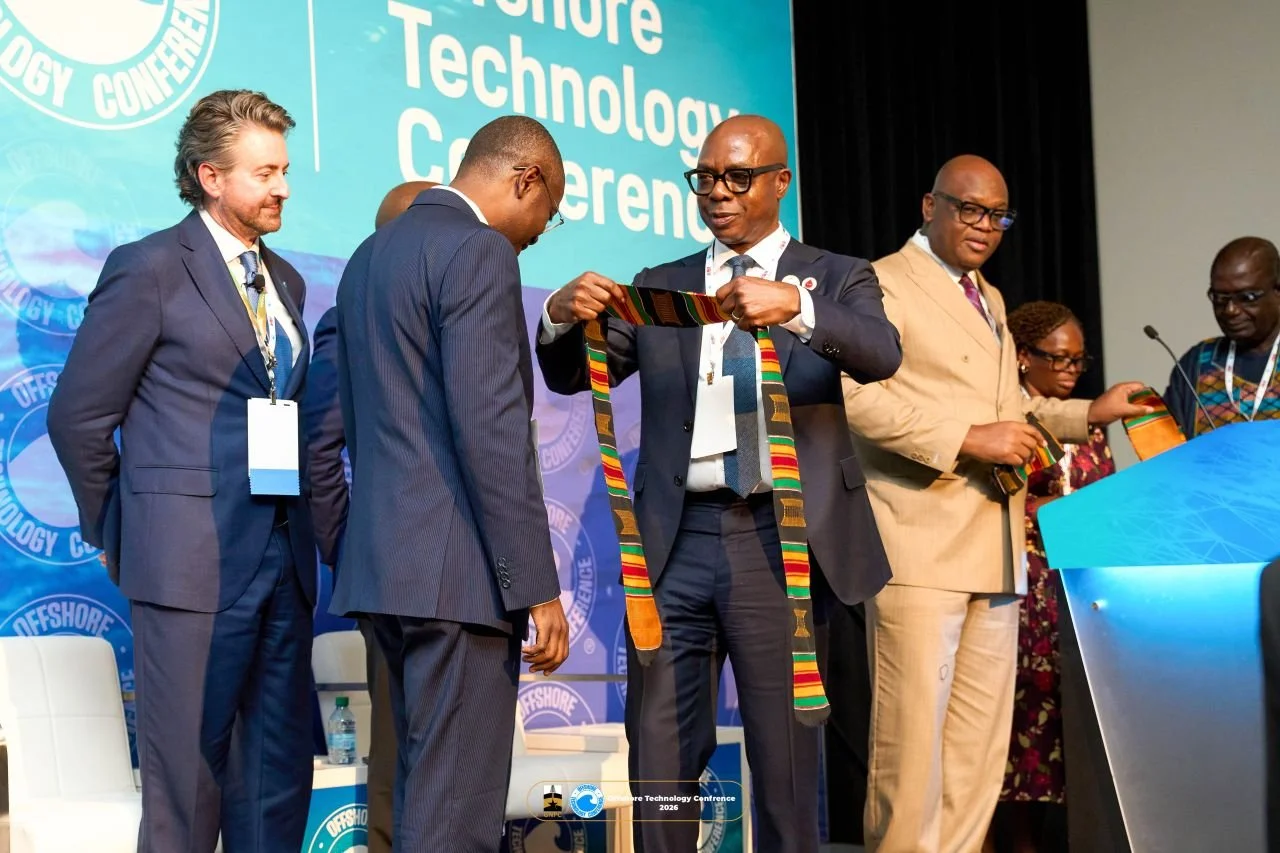
GIPC’s Houston engagement added a complementary strand to the same story. Following his participation in OTC2026, GIPC Chief Executive Officer Simon Madjie visited Weatherford’s operations facility in Houston as part of efforts to strengthen investment and technical collaboration between Ghana and global oilfield service providers.
Madjie was accompanied by GNPC Deputy Chief Executive Officer Hamis Ussif and a delegation from the Ghana-Houston Chamber of Commerce. The team engaged senior Weatherford executives and toured the company’s integrated operations facility, with discussions covering Weatherford’s capabilities in drilling, production optimisation, intervention services, managed pressure drilling technologies and real-time operational support.
The focus of the visit was clear: Ghana is looking not only for capital, but also for the technical systems that can support expanded drilling activity, improve production performance and deepen value creation across the petroleum value chain. The discussions also explored opportunities for future collaboration in technology transfer, drilling support and capacity building.
For GIPC, the Weatherford visit was an investment-promotion exercise. For GNPC, it was a capability conversation. For Ghana’s petroleum sector, it was a reminder that competitiveness now depends as much on technology, data and execution quality as it does on acreage and reserves.
Halliburton and the Technology Question
GNPC’s participation in Halliburton’s Technology Show in Houston further sharpened that point. The session showcased how automation and integrated technologies are being applied across the industry to strengthen real-time decision-making, improve data analysis and support optimisation.
This matters because the next phase of petroleum-sector competitiveness is being shaped by the quality of operational data, the speed of field-level decisions and the ability of institutions to absorb and apply new technologies. For a national oil company seeking to remain relevant in a more demanding upstream environment, exposure to automation, integrated systems, and real-time analytics is not a side event. It is part of the capability build-out.
GNPC’s presence at the Halliburton session, therefore, sat neatly beside its engagements with Amni and Weatherford. Together, they showed a Corporation trying to position itself across three fronts: commercial partnership, project execution and technical modernisation.
TOR’s Parallel Message from the Downstream
Tema Oil Refinery’s participation at OTC placed Ghana’s downstream recovery effort inside the same global energy conversation that GNPC and GIPC were using to court upstream partners, investors and technology providers.
TOR’s presence was significant because it placed the refinery’s recovery push within the same global technology and investment conversation shaping Ghana’s wider OTC participation. At home, the refinery is being repositioned around discipline, technical competence and commercial purpose as Ghana weighs the future of domestic refining, supply security and downstream value retention.
At OTC, TOR’s participation aligned with the broader Ghanaian message in Houston: the country is not only seeking upstream capital and drilling support, but also looking to connect its downstream recovery agenda to the technology and investment conversations shaping the wider petroleum industry. TOR’s presence added a downstream flank to Ghana’s OTC pitch, linking the country’s investment and upstream partnership message to the parallel question of domestic refining, supply security and value retention.
The refinery’s role in Houston therefore sat within a larger institutional choreography. GNPC carried the national oil company message. GIPC carried the investment message. TOR carried the refinery-recovery message. Together, they presented Ghana’s petroleum sector as a system trying to reposition across the value chain, from exploration and production to refining, supply security and industrial capability.
The Bigger Signal
Ghana’s OTC 2026 participation came with a clear institutional choreography. GNPC carried the national oil company message. GIPC carried the investment message. TOR carried the refinery-recovery message. NPA’s presence added regulatory visibility, while the participation of Ghana’s Ambassador to the United States and members of Parliament’s Select Committee on Energy gave the engagements a diplomatic and policy layer.
The country’s challenge now is execution. The Houston engagements have positioned Ghana before global energy actors at a time when offshore technology, drilling efficiency, production optimisation and digital operations are reshaping investment decisions. But conference diplomacy only becomes sector transformation when it leads to stronger partnerships, faster project delivery, measurable technology transfer and improved operating performance at home.
For Ghana, OTC 2026 was therefore not merely a place to be seen. It was a platform to argue that the country’s petroleum sector still has room to grow, still has assets worth backing and still has institutions trying to align public purpose with commercial discipline. The test will be whether that argument survives the journey from Houston’s conference halls to Ghana’s fields, refineries and balance sheets.
