
SPE Ghana Sets May Date for GH-BISE 2026 as Accra Becomes Stage for Africa Energy Transition Debate
SPE Ghana is bringing Africa’s energy debate to Accra in May 2026, convening policymakers, petroleum executives, engineers, regulators and young professionals for the 3rd Ghana Biennial International Summit and Exhibition. With sustainable energy, financing, industrialisation and inclusion on the agenda, GH-BISE 2026 is being positioned as more than a conference. It is a stage for testing how Africa can defend energy security, attract investment and build a transition that still powers growth.
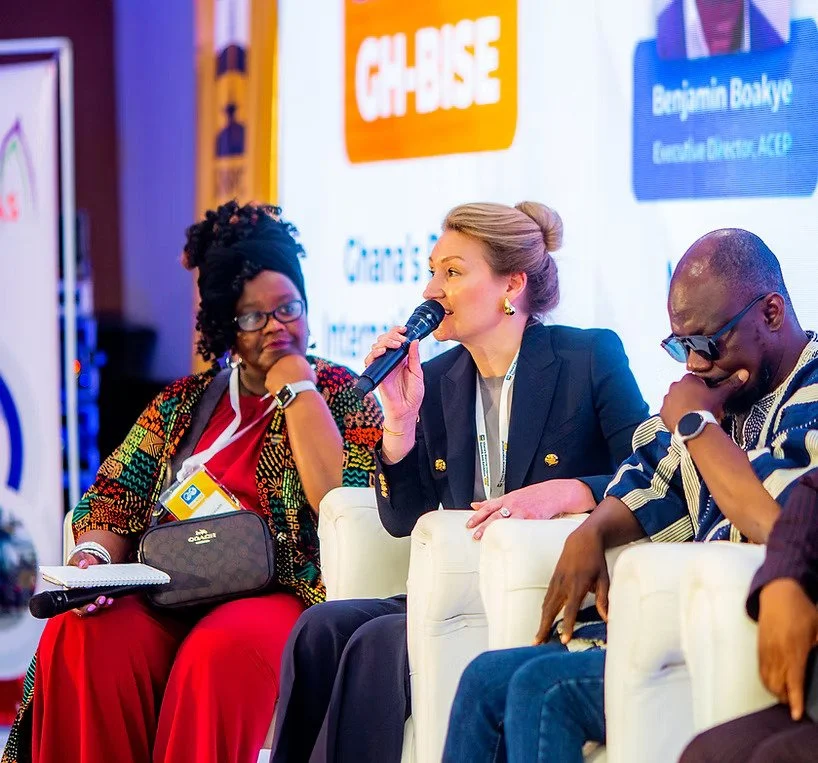
Photo Credit: GH-BISE
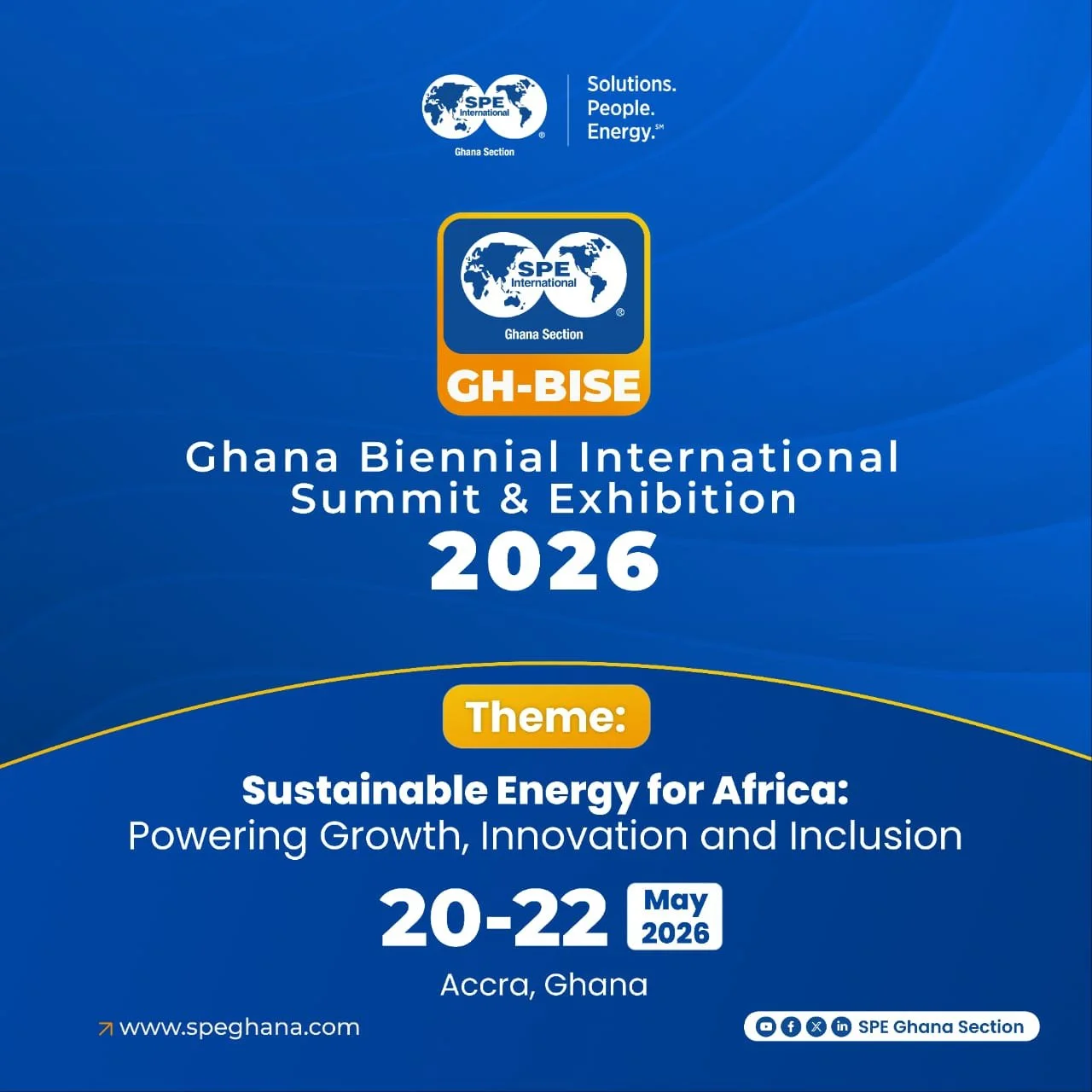
Accra, Ghana | May 11, 2026 - The Society of Petroleum Engineers Ghana Section has announced the 3rd SPE Ghana Biennial International Summit and Exhibition, GH-BISE 2026, setting up Accra for a five-day energy industry gathering that will bring together policymakers, petroleum executives, engineers, researchers, academics, investors and young professionals at a defining moment for Africa’s energy sector.
The summit will run under the theme “Sustainable Energy for Africa: Powering Growth, Innovation and Inclusion”, with the main conference scheduled for 20–21 May 2026 at The Palms by Eagles Hotel, Accra. It will be preceded by hybrid pre-conference training workshops on 18–19 May at ISSER and the Cedi Conference Centre, University of Ghana, Legon, before the summit sequence closes with a Young Professionals Away Day on 22 May, with the venue yet to be announced.
For SPE Ghana, GH-BISE 2026 is being framed as more than another industry calendar event. It is being positioned as a strategic platform for a continent trying to answer a difficult question: how to keep energy flowing, investment moving and people included while the global energy system is being reorganised around lower-carbon growth, new technologies and tighter capital discipline.
“GH-BISE 2026 is not just a conference; it is a strategic platform to shape the future of energy on the continent and beyond,” the Ghana Section Chair said in the official message announcing the summit. The Chair said the event will convene “global thought leaders, CEOs, policymakers, engineers, researchers, and young innovators” to exchange ideas, build partnerships and co-create solutions for Africa’s energy future.
Training First, Summit Next
The build-up to GH-BISE 2026 begins with the technical layer. On 18 and 19 May, the pre-conference training workshops will offer practical instruction across selected courses at ISSER and the Cedi Conference Centre at the University of Ghana, Legon.
The workshops are designed as capacity-building sessions for professionals and students ahead of the main summit, with sessions covering drilling and completion excellence, gas value chains, artificial intelligence, economic modelling, leadership and decision-making.
That sequencing is deliberate. Before the conference turns to ministerial speeches and boardroom policy debates, it opens with the technical foundations of the industry itself: wells, gas systems, digital tools, economic models and operational decision-making. It is a reminder that Africa’s energy transition will not be settled by slogans alone. It will be shaped by engineering capability, project economics, regulatory choices and the ability of institutions to move knowledge across generations.
Energy Minister to Set the Political Tone
The headline political presence will be Hon. Dr. John Abdulai Jinapor, Ghana’s Minister for Energy and Green Transition, who is expected to set the tone for the sustainable energy agenda.
His appearance places the summit before the country’s current policy conversation on energy security, transition planning and domestic value creation. It also gives GH-BISE 2026 a national policy anchor at a time when Ghana’s energy institutions are being pushed to stabilise supply, mobilise investment and define the country’s role in a changing African energy market.
A Wider Energy Conversation
The main summit on 20 and 21 May will shift the conversation from training to high-level industry and policy debate. The agenda will cover just energy transition in Africa, investment and energy financing, downstream sustainability and industrialisation, and women’s leadership in energy.
It will also feature technical paper presentations across upstream, midstream and downstream operations, as well as renewable energy. That breadth matters. GH-BISE 2026 is not being built only around upstream petroleum. Its programme stretches from drilling and gas value chains to downstream sustainability, industrialisation, economic regulation, women’s leadership and young professional development.
In effect, it places the petroleum engineer, the regulator, the downstream operator, the academic, the investor and the young innovator in the same room.
The Names Behind the Platform
The speaker and guest lists give the summit its institutional weight. Special guests listed by SPE Ghana include Kwame Ntow Amoah, Chief Executive Officer of GNPC and Board Chairman of SPE Ghana; Francis Nwaochie, Chairman of SPE Nigeria Council; Susan Howes, President of Subsurface Consultants & Associates and 2027 SPE President; Dr. Riverson Oppong, CEO of COMAC Ghana and SPE Africa Regional Director; and H.E. Farid Ghezali, Secretary General of the African Petroleum Producers’ Organisation.
The confirmed speaker pool also reflects the broadening character of Ghana’s energy conversation. It includes Adwoa Serwaa Bondzie, Acting Executive Secretary of the Energy Commission; Gabriel Kumi, Chairman of the Chamber of Oil Marketing Companies; Dr. Toni Aubynn, CEO of the Petroleum Hub Development Corporation; Francis Nii Boi Boye Esq., General Manager for Assets and Infrastructure at BOSTEnergies; Dr. Patrick Kwaku Ofori, CEO of the Chamber of Bulk Oil Distributors; Abass Ibrahim Tasunti, Director for Economic Regulation and Planning at the National Petroleum Authority; Olamide Efosa-Austin, Business Performance Lead at the NNPC; and Lissa Gloria Mykels, Internal Communications Advisor at Tullow Oil.
The presence of figures from GNPC, the Energy Commission, the Petroleum Hub Development Corporation, the NPA, BOST, COMAC, CBOD, Tullow Oil and regional SPE leadership gives the event a cross-sector profile, linking upstream capability, downstream governance, infrastructure, regulation, communications and regional professional leadership.
Sponsors and Partners Add Institutional Weight
The institutional architecture around GH-BISE 2026 is also broad. SPE Ghana says the summit will bring together more than 1,000 energy professionals, students and institutions, with the official summit page listing five days, five activities, 35 speakers and 15 exhibitors.
The event page lists partners and sponsors including the Ministry of Energy and Green Transition, APPO, SLB, GNPC, COMAC, Ghana Gas, the National Petroleum Authority, Relu Interactives, Petroleum Commission Ghana, Southey Contracting Ltd, Amaja Oilfield Limited, Yinson Production, Gecric Integrity, the Petroleum Hub Development Corporation and the Chamber of Bulk Oil Distributors.
That backing is more than ceremonial. It shows GH-BISE 2026 being assembled around several of the institutions and companies that shape Ghana’s energy system: the ministry that sets policy direction, the Petroleum Commission that regulates upstream activity, the NPA that governs downstream petroleum, GNPC and Ghana Gas at the centre of national petroleum and gas infrastructure, the Petroleum Hub Development Corporation driving Ghana’s downstream industrial ambition, and private-sector and service companies that sit close to the operational spine of the industry.
For a summit attempting to sit at the intersection of petroleum engineering, energy transition, industry financing, downstream sustainability and professional development, the partner and sponsor base gives the event both visibility and weight. It also signals that GH-BISE 2026 is being treated as a platform for sector positioning, technical exchange, policy influence and institutional alignment.
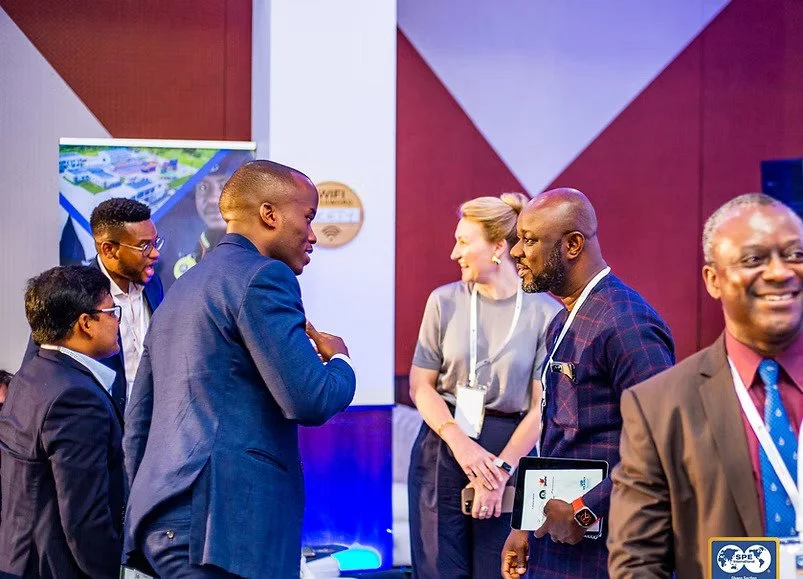
Photo Credit: GH-BISE
Young Professionals Move to the Centre
The 2026 edition also carries a regional leadership dimension. SPE Ghana says the summit will host the SPE Africa Regional Officers Workshop, aimed at mobilising high-impact volunteer leadership, as well as the SPE Africa Young Professionals Workshop and Debate Finals, designed to empower the next generation of energy leaders.
The Young Professionals Away Day on 22 May is expected to focus on networking, mentorship and leadership development, with the venue yet to be announced. This gives the summit a layered architecture: first, technical training; then, policy and industry debate; alongside that, regional leadership development and young professional engagement.
It is a structure that recognises a simple industry truth. Africa’s energy transition will not be led only by ministers and chief executives. It will also depend on the engineers, analysts, regulators, project managers, entrepreneurs and researchers now entering the system.
Why the 2026 Summit Matters
For Ghana, the timing is notable. The summit arrives as the country’s energy institutions are being asked to do several things at once: stabilise power supply, attract upstream and gas investment, support domestic industrialisation, manage downstream market reforms and build credible pathways into a lower-carbon future.
For Africa’s petroleum professionals, the challenge is even sharper. The continent still needs hydrocarbons to power growth, finance development and secure industrial capacity, even as investors, governments and consumers demand a more sustainable energy system.
That is the tension GH-BISE 2026 is trying to occupy. It is not a retreat from oil and gas expertise. It is an attempt to recast that expertise inside a wider energy future, one that must account for gas monetisation, renewables, digitalisation, finance, local capacity, gender inclusion and the next generation of industry leadership.
Accra as a Convening Point
By the time delegates gather at The Palms by Eagles Hotel in Accra, GH-BISE 2026 will carry a larger burden than its conference branding suggests. It will be a test of whether Ghana’s petroleum engineering community can help frame an African energy transition that is technically grounded, commercially realistic and socially inclusive.
As SPE Ghana’s own invitation puts it, the summit is an appeal to “be where Africa’s energy future is being defined.” For Accra, in May 2026, that future will be argued not in abstraction, but through the hard language of projects, finance, regulation, technology, capacity and leadership.
