
Ghana Gas Puts Operations, Tariff Constraints and Output Gains Before Parliamentary Energy Committee
Ghana Gas is putting more than plant performance before Parliament. After reporting a rise in output from 100 MMSCFD to 120 MMSCFD, the state gas processor is also facing the harder questions around tariff constraints, industrial demand and host-community expectations. A week of engagements, from the Gas Processing Plant to Western Region off-takers and the Prestea Himan Traditional Council, shows a company trying to convert operational gains into broader energy-security value.
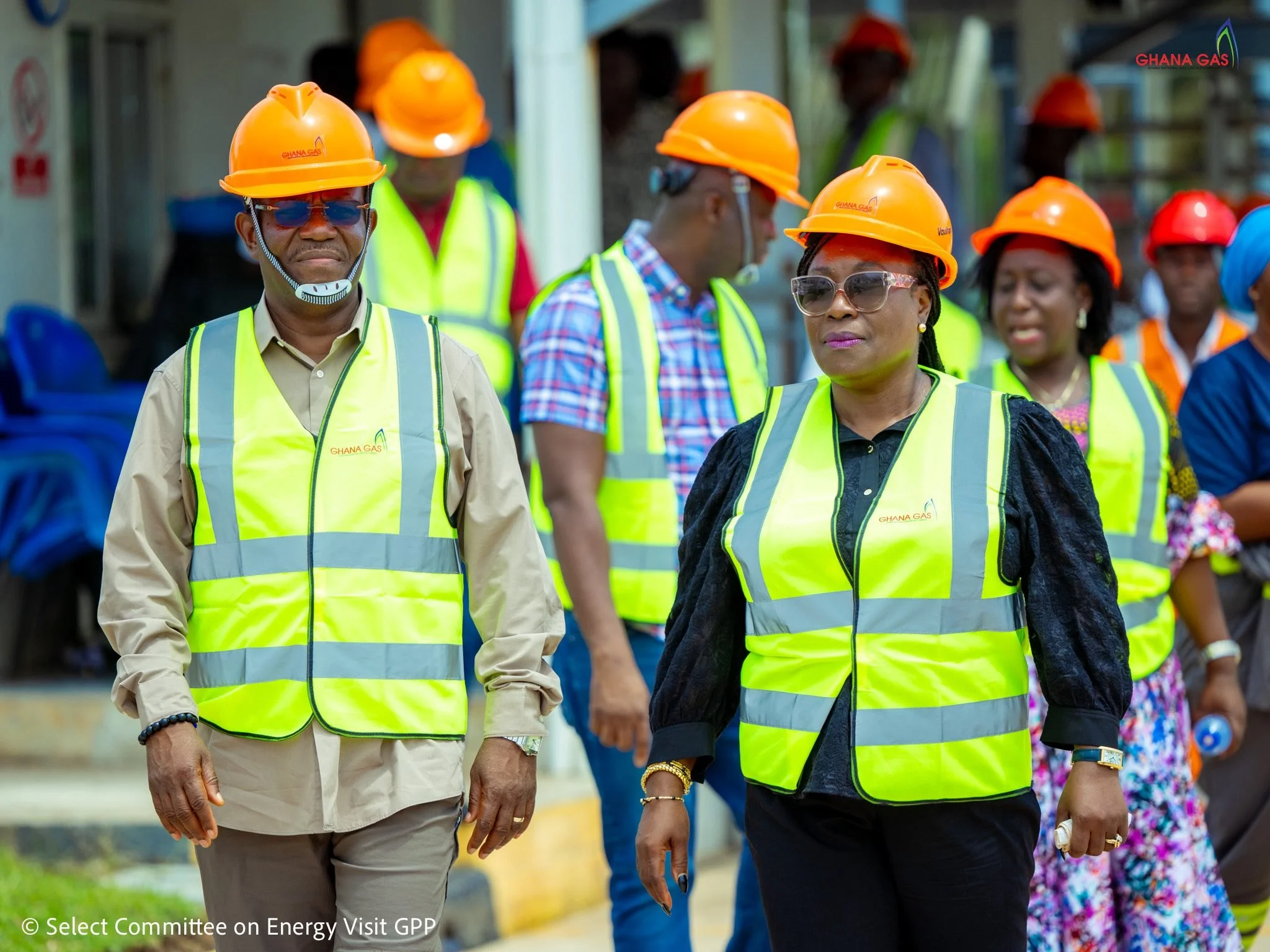
Atuabo, Western Region, Ghana | May 7, 2026 - Ghana Gas has placed its operational performance and tariff constraints before Parliament’s Energy Committee, using a working visit to its Gas Processing Plant to show lawmakers a company producing more gas, managing persistent revenue pressures and seeking stronger alignment between policy oversight and the mechanics of domestic gas supply.
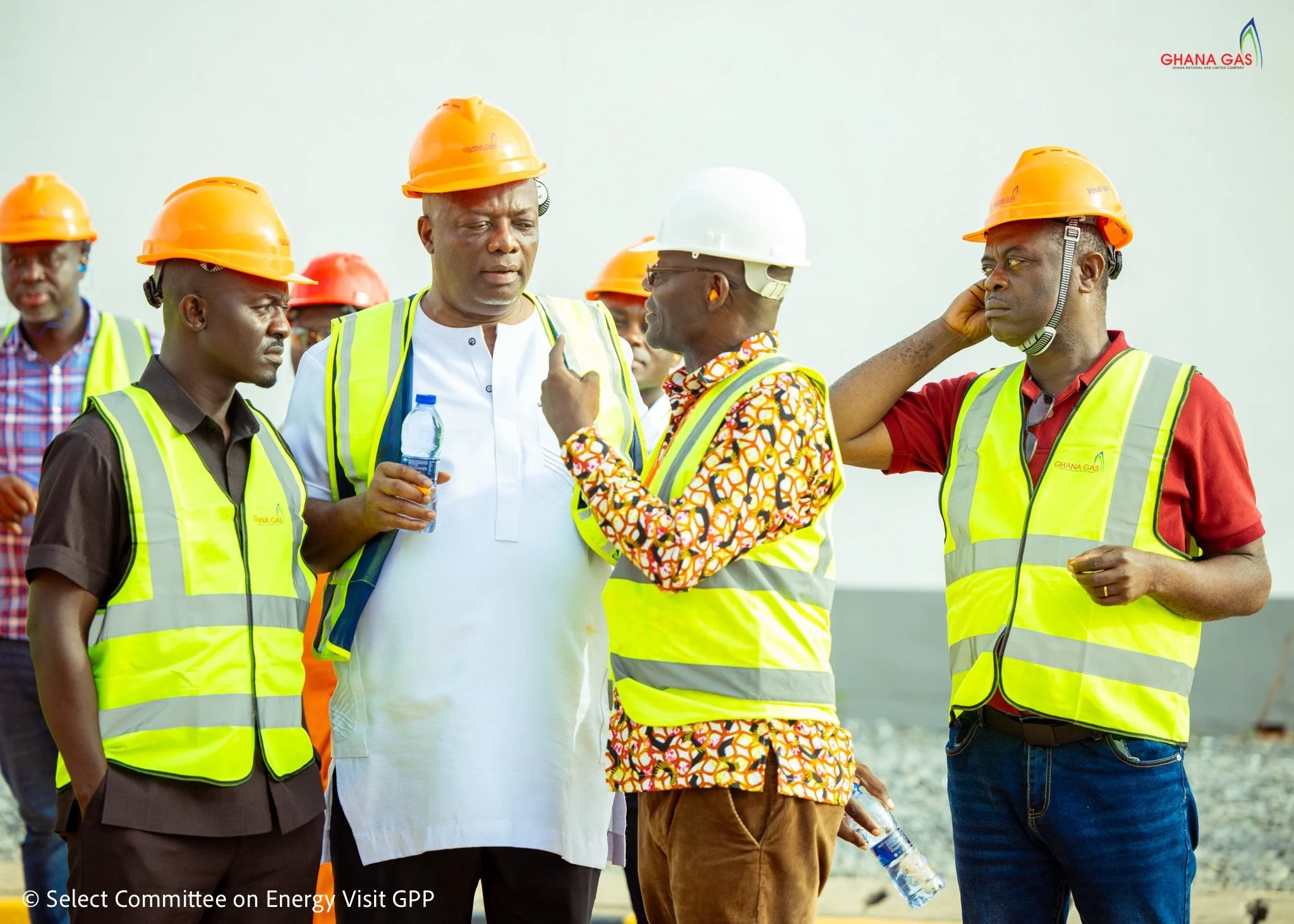
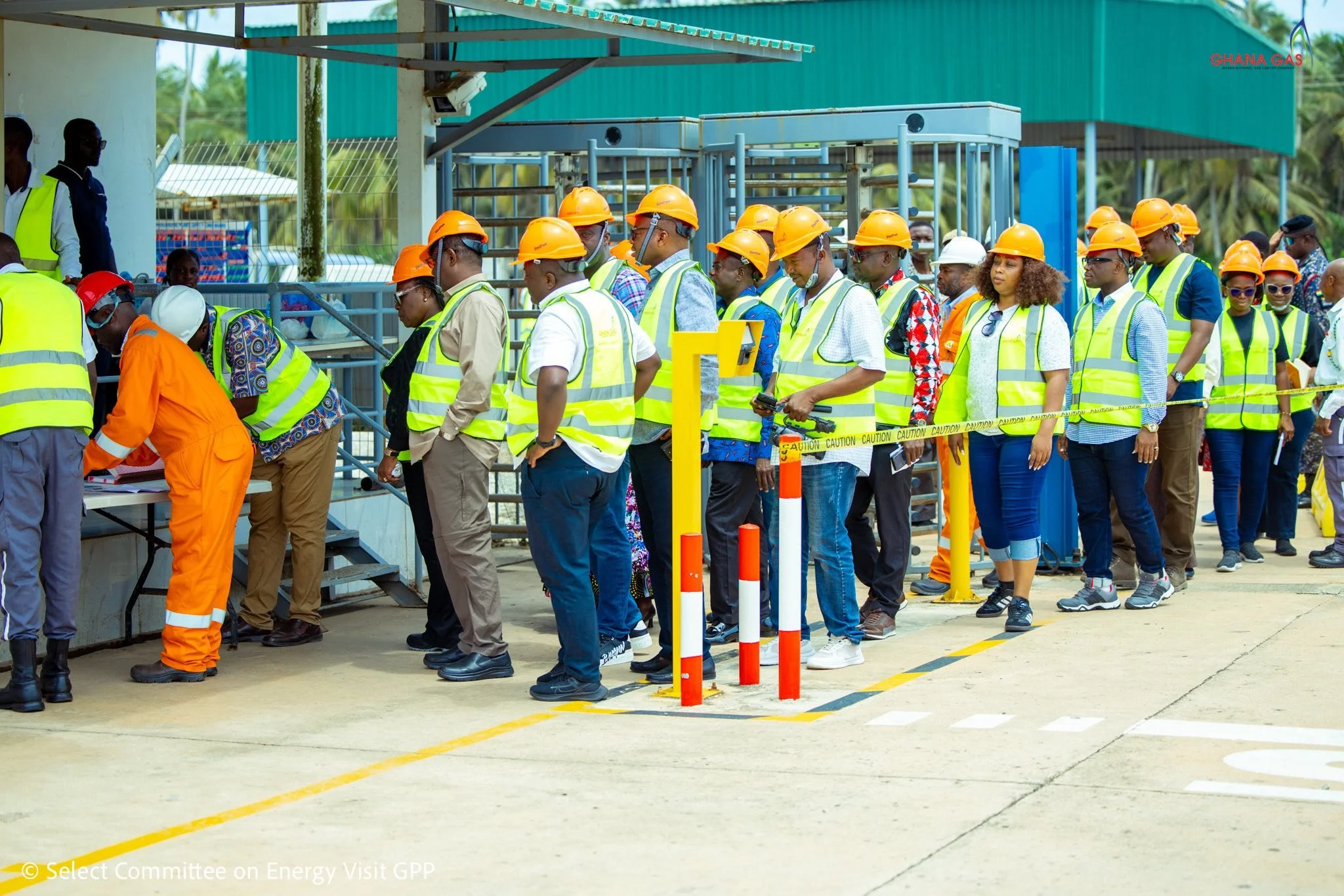
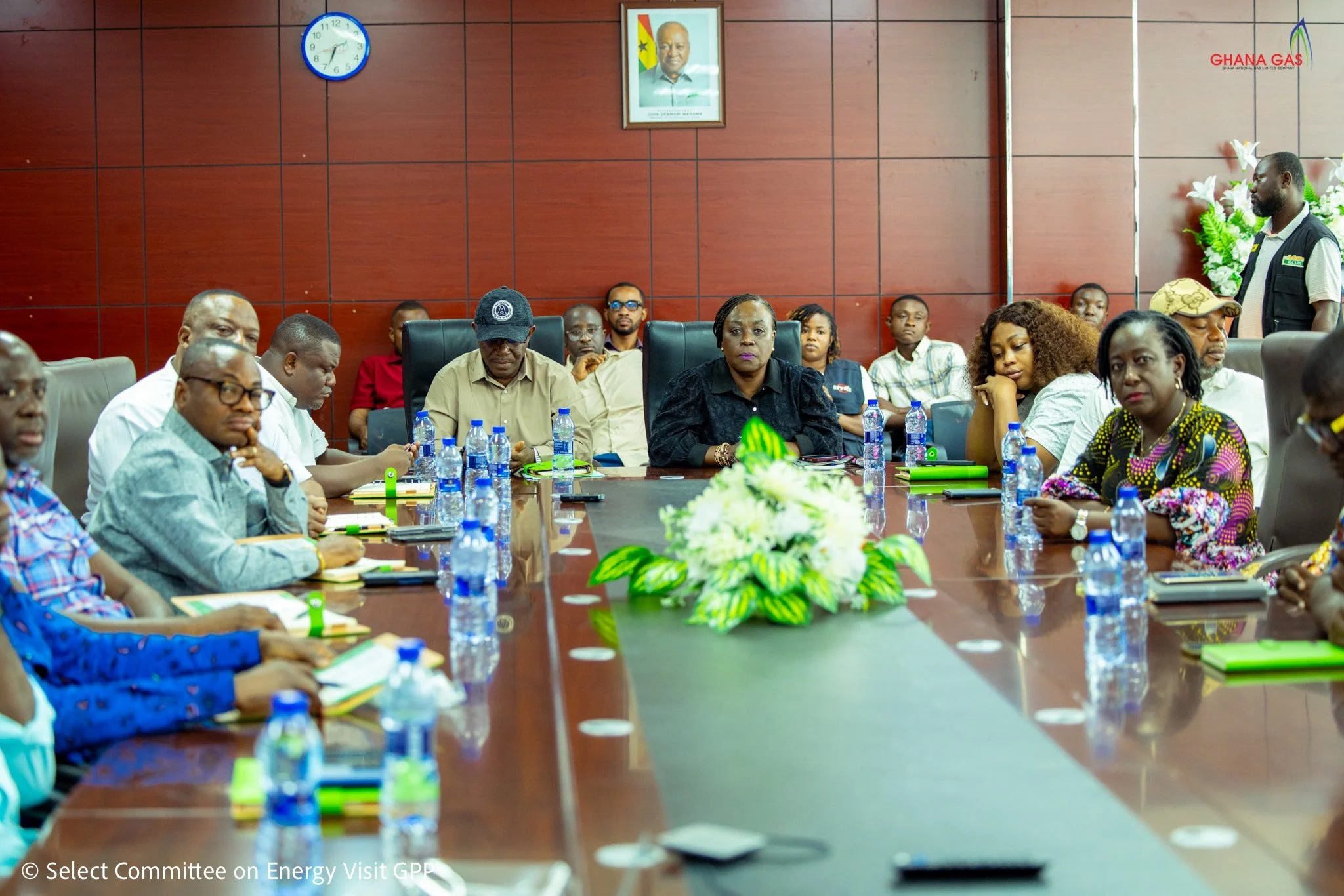
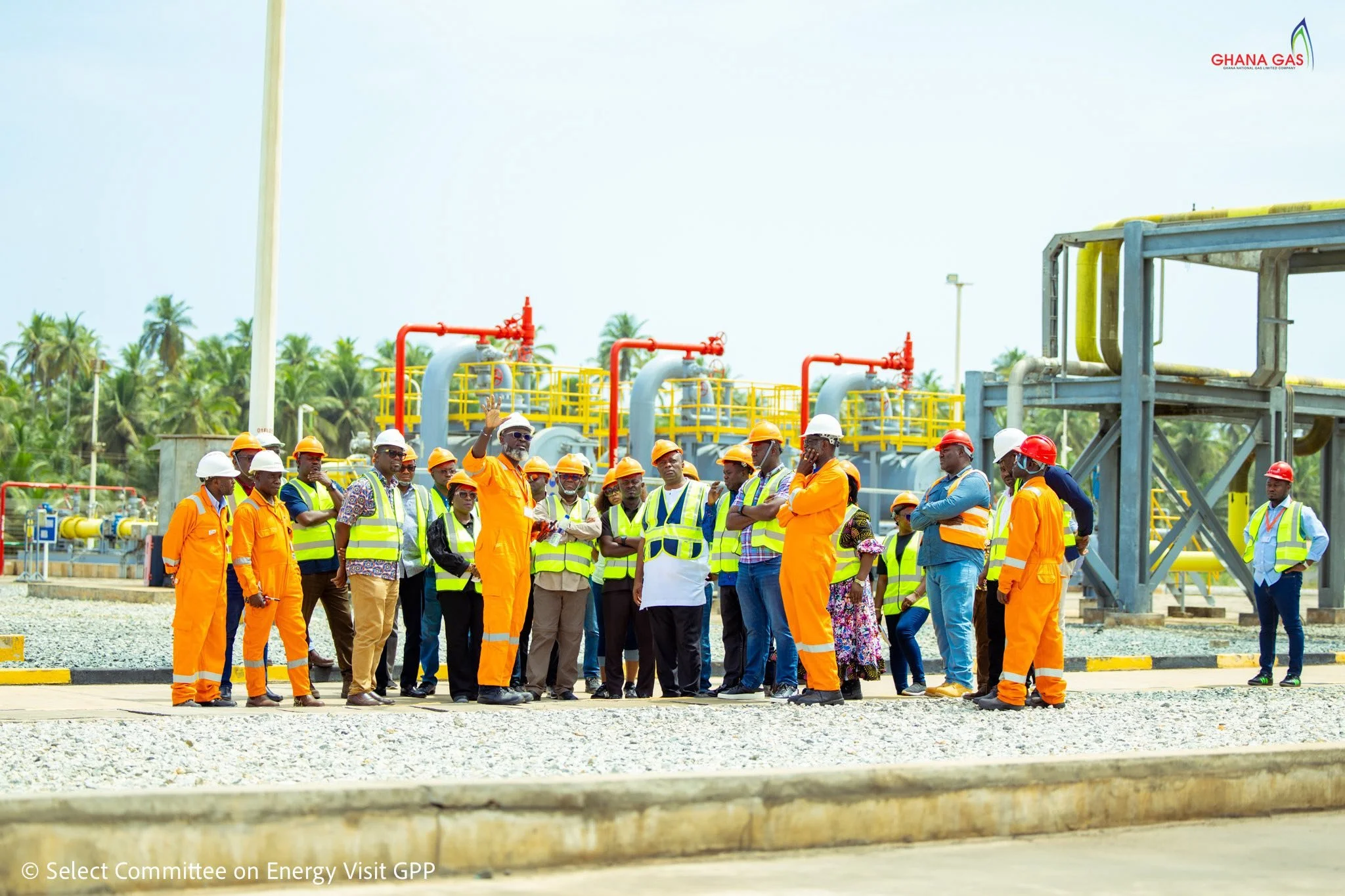
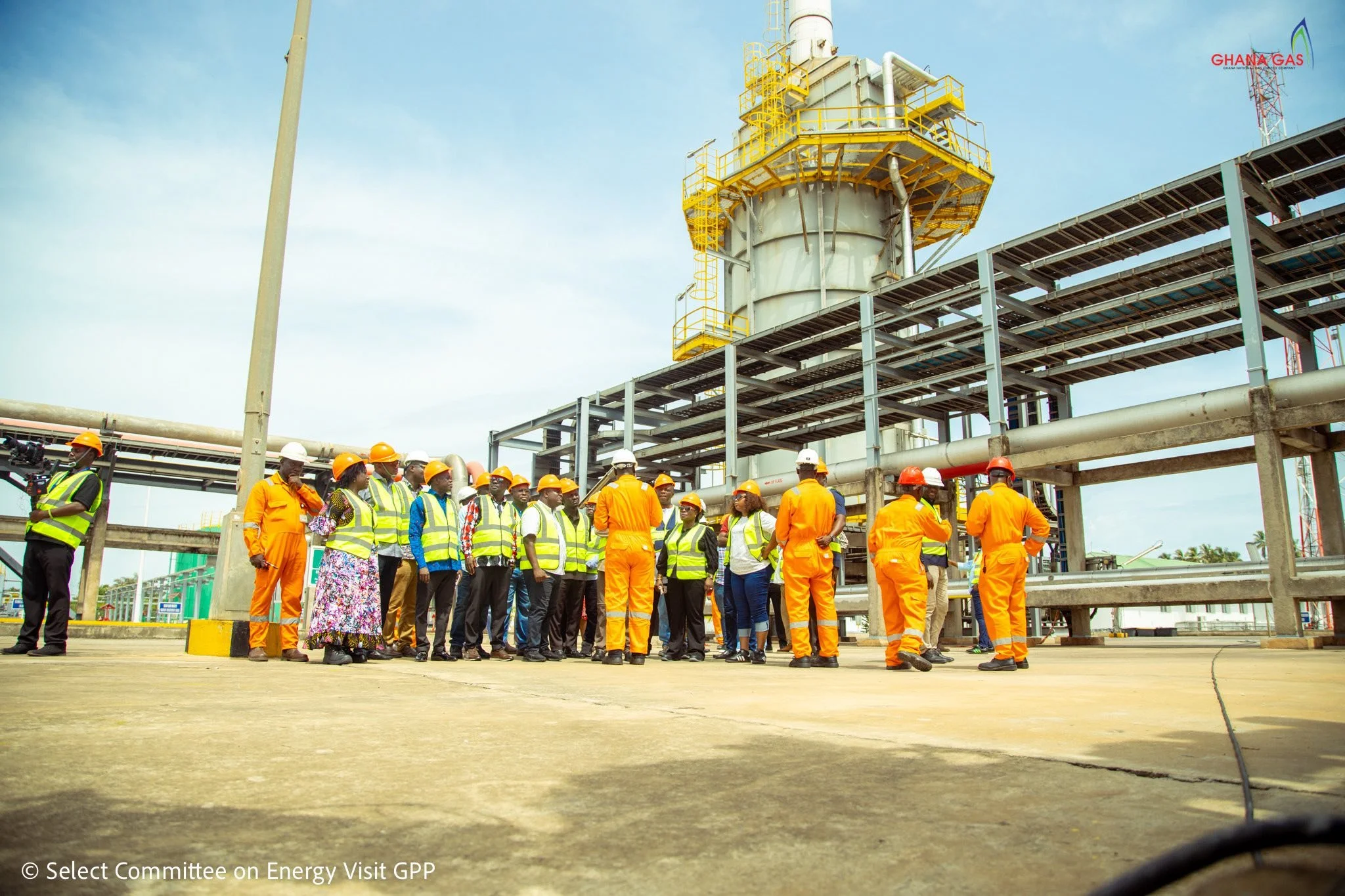
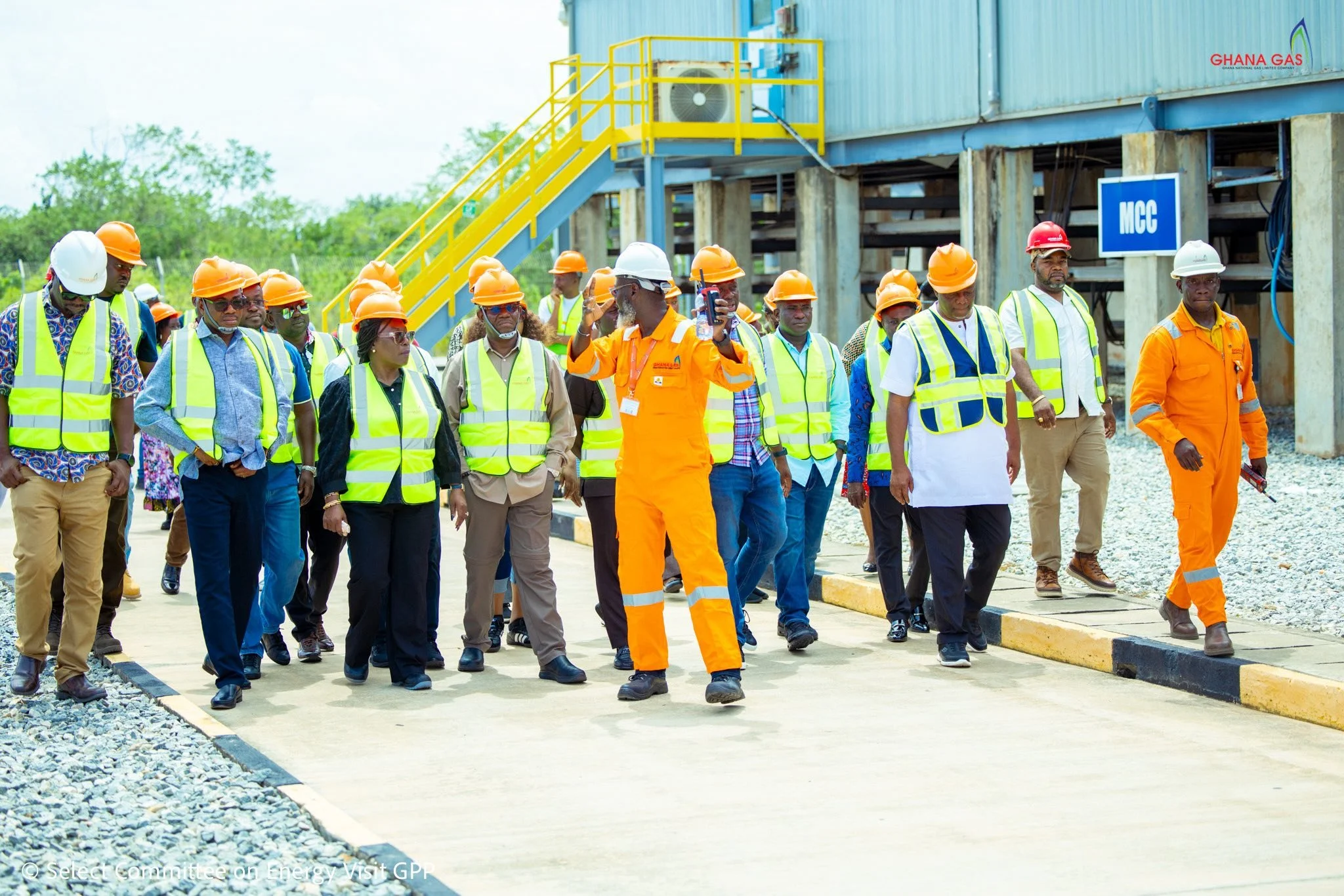
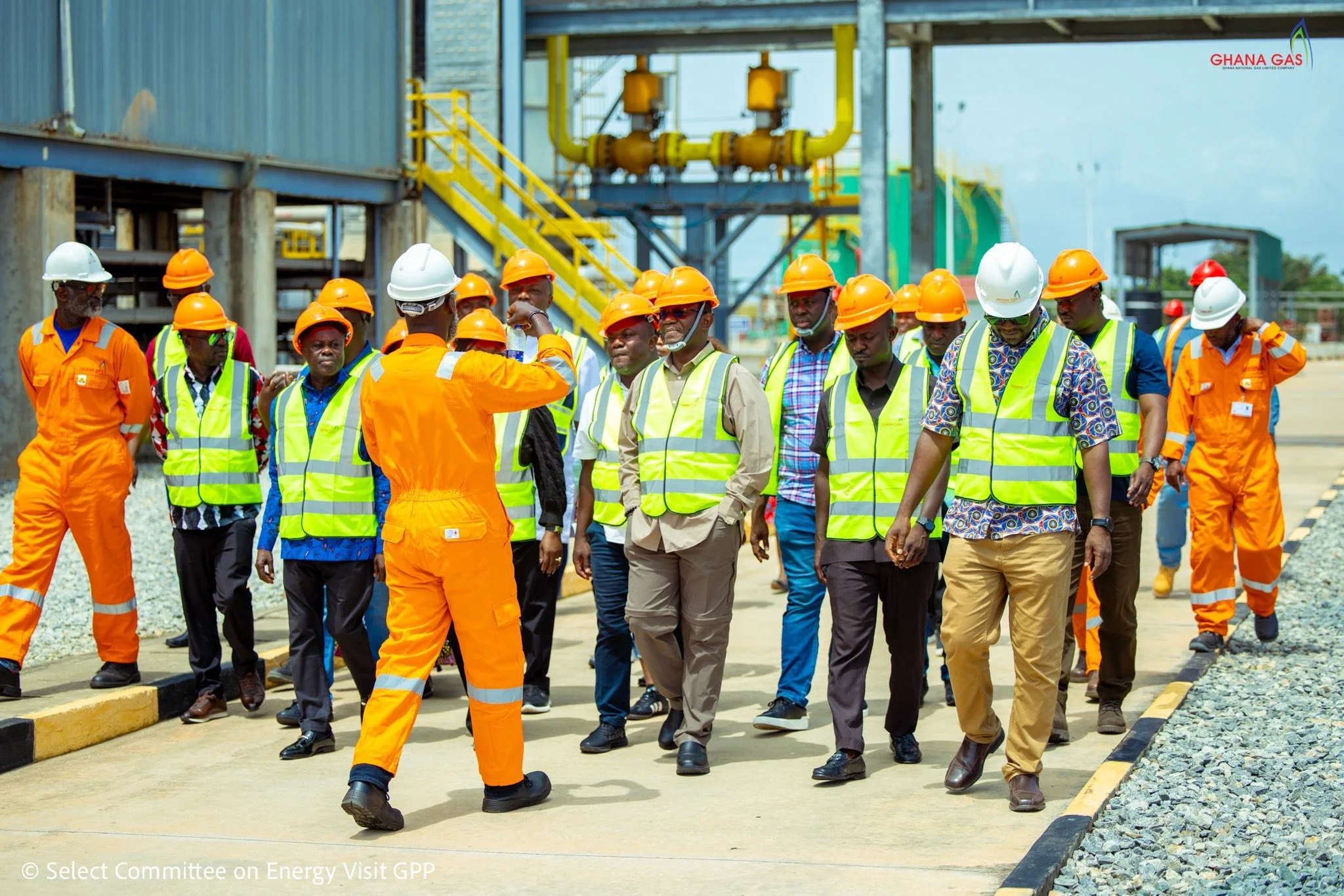
Ghana National Gas Limited Companyon April 25, 2026 hosted members of the Parliamentary Select Committee on Energy at its Gas Processing Plant, giving lawmakers firsthand insight into the operations of one of the country’s most strategic energy assets.
The Committee’s visit began with a courtesy call on Western Regional Minister Hon. Joseph Nelson, formally signalling the purpose of its presence in the region. It then proceeded to Ghana Gas, where Chief Executive Officer Ms. Judith Adjobah Blay welcomed the delegation and positioned the company’s recent performance within a broader conversation about operational reliability, tariff constraints and reinvestment capacity.
The visit mattered because Parliament’s Energy Committee is not merely a ceremonial audience. The Committee is responsible for matters relating to energy, including investigating and inquiring into the activities and administration of ministries, departments and agencies under its remit, examining legislative proposals and receiving referrals on energy-related matters.
For Ghana Gas, that made the engagement both an oversight moment and a policy opportunity.
A Plant Visit With a Policy Message
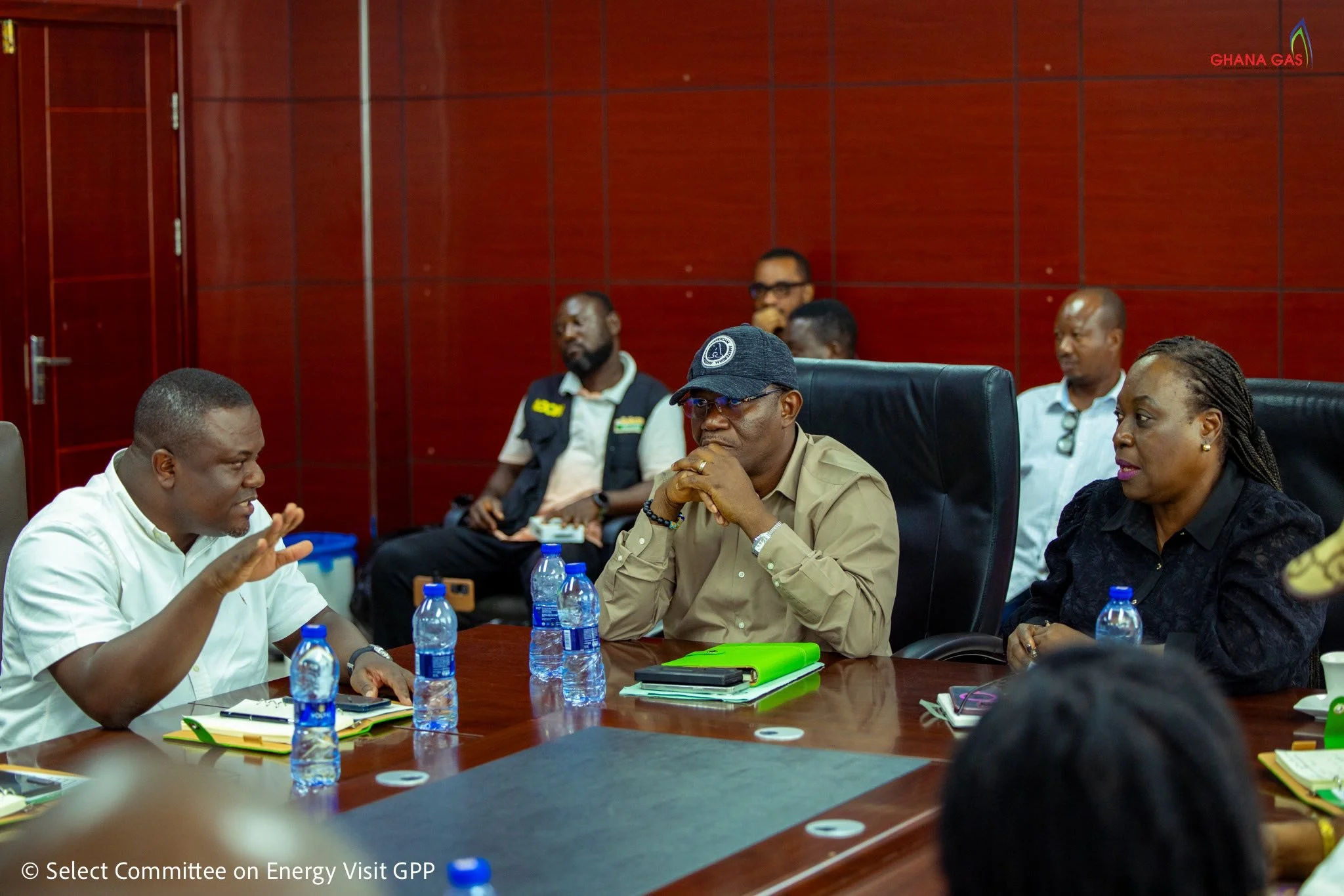
At the Gas Processing Plant, Ms. Blay presented Ghana Gas as a strategic company whose performance is improving, but whose ability to reinvest remains constrained by tariff pressures.
She highlighted ongoing tariff-related challenges, which continue to affect revenue generation and reinvestment capacity, while pointing to a recent increase in output linked to improved plant reliability.
“Ghana Gas is ever ready. Since last year, our production has gone up,” Ms. Blay said. “Earlier, we faced more downtime at the plant, but under this administration, things have improved. We have moved from 100 MMSCFD to 120 MMSCFD.”
That production increase was the central operational claim of the visit. It also gave the company’s pitch to lawmakers a sharper policy edge. Ghana Gas is saying, in effect, that the plant is responding, reliability is improving and the system can carry more load, but the commercial framework must allow the company to finance the maintenance, expansion and operational discipline that higher output requires.
Committee Chairman Hon. Emmanuel Kwasi Bedzrah commended the company’s performance and signalled parliamentary support for addressing the issues raised.
“We have seen that Ghana Gas is on top of its game. They have our full support, and we will work to address the challenges raised,” he said.
Parliament’s Energy Oversight Moves Across the Value Chain
The Ghana Gas visit also fits into a broader pattern of parliamentary scrutiny across Ghana’s energy value chain.
The Parliamentary Select Committee on Energy has recently visited other strategic energy institutions, including BOSTEnergies, the National Petroleum Authority, Ghana Cylinder Manufacturing Company and Sunon Asogli. That sequence gives the Ghana Gas engagement added significance. Parliament is not looking at gas processing in isolation. It is examining the machinery behind fuel security, regulation, storage, power supply and the infrastructure that connects energy policy to households, industry and public finance.
In that context, Ghana Gas sits at a critical junction. Its processed gas supports power generation, industrial activity and the wider policy ambition of strengthening domestic energy supply and reducing exposure to imported fuel pressures. Its performance has implications beyond plant economics, touching power generation, industrial competitiveness and Ghana’s wider domestic gas strategy.
The company’s message to the Energy Committee was therefore not simply that it is producing more. It was that Ghana’s gas infrastructure needs a commercial and policy environment capable of sustaining higher reliability.
Industrial Off-Takers Press Their Own Case
The parliamentary engagement came in the same week that Ghana Gas had been deepening contact with industrial users of lean gas in the Western Region.
On Tuesday, April 21, Ms. Blay led a delegation on a strategic tour of manufacturing companies that rely on lean gas supplied by Ghana Gas. The tour followed earlier engagements with off-taker factories in the Tema enclave and extended the same approach to industrial customers in the Western Region.
The first stop was Jintao Sanitary Ware Company Limited, where the Ghana Gas team observed the production of ceramic products, including wash-hand basins and toilet seats. At Wangkang Ceramics, management underlined the critical role gas plays in sustaining operations and appealed for a review of pricing to support production.
The team also visited Twyford Group, one of Ghana’s major ceramics manufacturers, where Managing Director Mr. Li Wei expressed appreciation for Ghana Gas’ support and requested additional gas supply for a glass manufacturing line currently under construction and expected to begin full operations in August 2027.
That request speaks directly to the industrial side of Ghana Gas’ mandate. For manufacturers, lean gas is not a policy abstraction. It is a production input, a cost line and, in some cases, the difference between expansion and delay.
For Ghana Gas, the off-taker tour offered a practical reading of the demand side of its business. Industrial gas users want reliability, competitive pricing and enough supply to support new production lines. Those demands sit squarely within the wider policy question facing Ghana’s gas sector: how to use domestic gas not only to support power generation, but also to anchor industrial growth.
Prestea Engagement Adds the Host-Community Dimension
Two days after the off-taker tour, Ms. Blay turned to one of Ghana Gas’ operational host communities.
On April 23, she paid a courtesy call on the Prestea Himan Traditional Council as part of the company’s effort to strengthen relationships with stakeholders in project-affected communities. Ghana Gas has operated a Regulating and Metering Station in Prestea since 2015, making the area an important operational host community.
The visit was described by the Traditional Council as historic. Speaking on behalf of the Council, the Chief of Prestea Himan expressed appreciation for the CEO’s visit and her proactive approach to engaging Nananom, noting that since Ghana Gas began operations in the area, no previous CEO had visited or engaged the traditional leadership.
The Member of Parliament for Prestea Huni-Valley, Hon. Joseph Wisdom Cudjoe, joined the Chief in raising concerns affecting the people of Prestea.
Ms. Blay responded with a set of commitments. She said approval had been secured for the construction of a new bridge and the rehabilitation of the road linking the community to Ghana Gas’ operational site. She also announced that Ghana Gas would construct a new male ward at the Prestea Government Hospital and said plans were well advanced to create more employment opportunities for local indigenous people within the company.
The commitments matter because they move the Ghana Gas story beyond throughput and plant performance. In project-affected communities, infrastructure operators are judged not only by national energy-security metrics, but also by whether host communities see tangible benefits from the assets they live beside.
Ghana Gas’ recent CSR record, including its targeted digital access initiatives, gives some context to the company’s announcement. But the Prestea commitments will ultimately be judged by delivery, timing and the extent to which local employment and infrastructure pledges translate into visible outcomes.
Output Gains, Demand Pressures and the Test of Delivery
The April engagements do not amount to a single coordinated programme, but they do show the different pressure points now sitting around Ghana Gas.
Before the Energy Committee, the company presented an operational case: output has increased from 100 MMSCFD to 120 MMSCFD, plant reliability has improved, and tariff constraints continue to affect revenue generation and reinvestment capacity.
Before industrial off-takers, the company heard the demand-side case: manufacturers depend on lean gas to keep production lines running, want pricing that supports competitiveness and, in Twyford’s case, need additional supply for planned expansion.
Before the Prestea Himan Traditional Council, the company confronted the host-community case: communities that accommodate gas infrastructure expect roads, health infrastructure, jobs and direct engagement from company leadership.
Each setting carries its own logic. The parliamentary visit was about oversight and policy support. The off-taker tour was about industrial service delivery. The traditional council visit was about local legitimacy and community expectations.
The harder test for Ghana Gas is not whether those engagements can be narrated together, but whether they can be acted upon with discipline.
Ghana Gas says production has risen from 100 MMSCFD to 120 MMSCFD. Industrial customers are asking for pricing relief and additional supply. Prestea is expecting a bridge, road rehabilitation, a hospital ward and more local employment opportunities. Parliament’s Energy Committee has now seen the plant and heard the constraints.
For Ghana’s gas sector, the question is whether improved output can be matched by tariff clarity, stakeholder delivery and reinvestment discipline strong enough to turn operational gains into durable energy-security value.
