NPA, Western Naval Command Turn Coastal Fuel Crackdown From Warning to Fire
The National Petroleum Authority’s crackdown on illicit fuel trade has moved from warning to spectacle, after a joint operation with the Western Naval Command ended with an impounded wooden fuel boat set ablaze in Sekondi-Takoradi. For Ghana’s downstream petroleum sector, the message is blunt: the regulator is taking its anti-smuggling campaign from compliance rooms to the coastline, where illegal fuel networks now face a more visible and coordinated enforcement front.
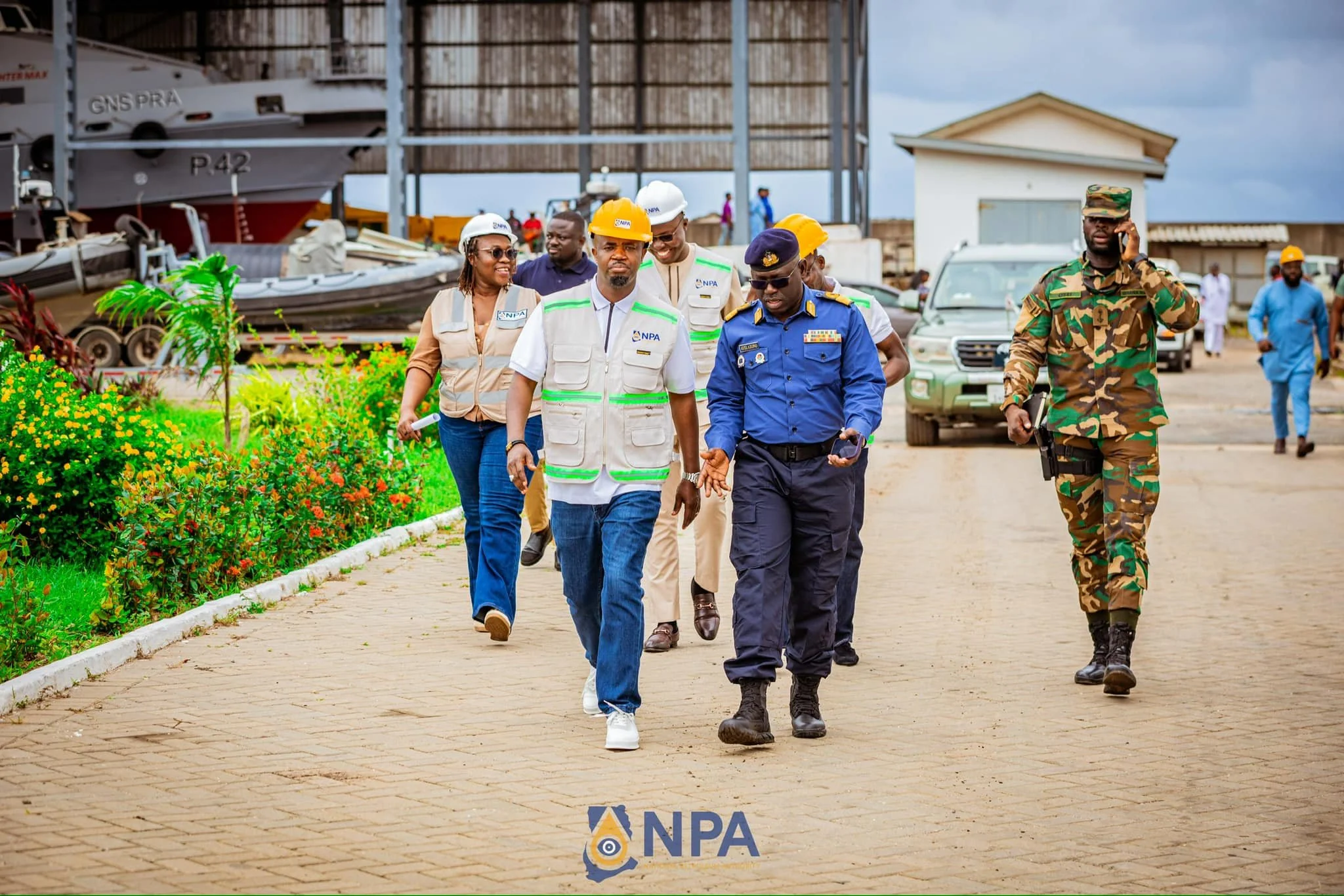
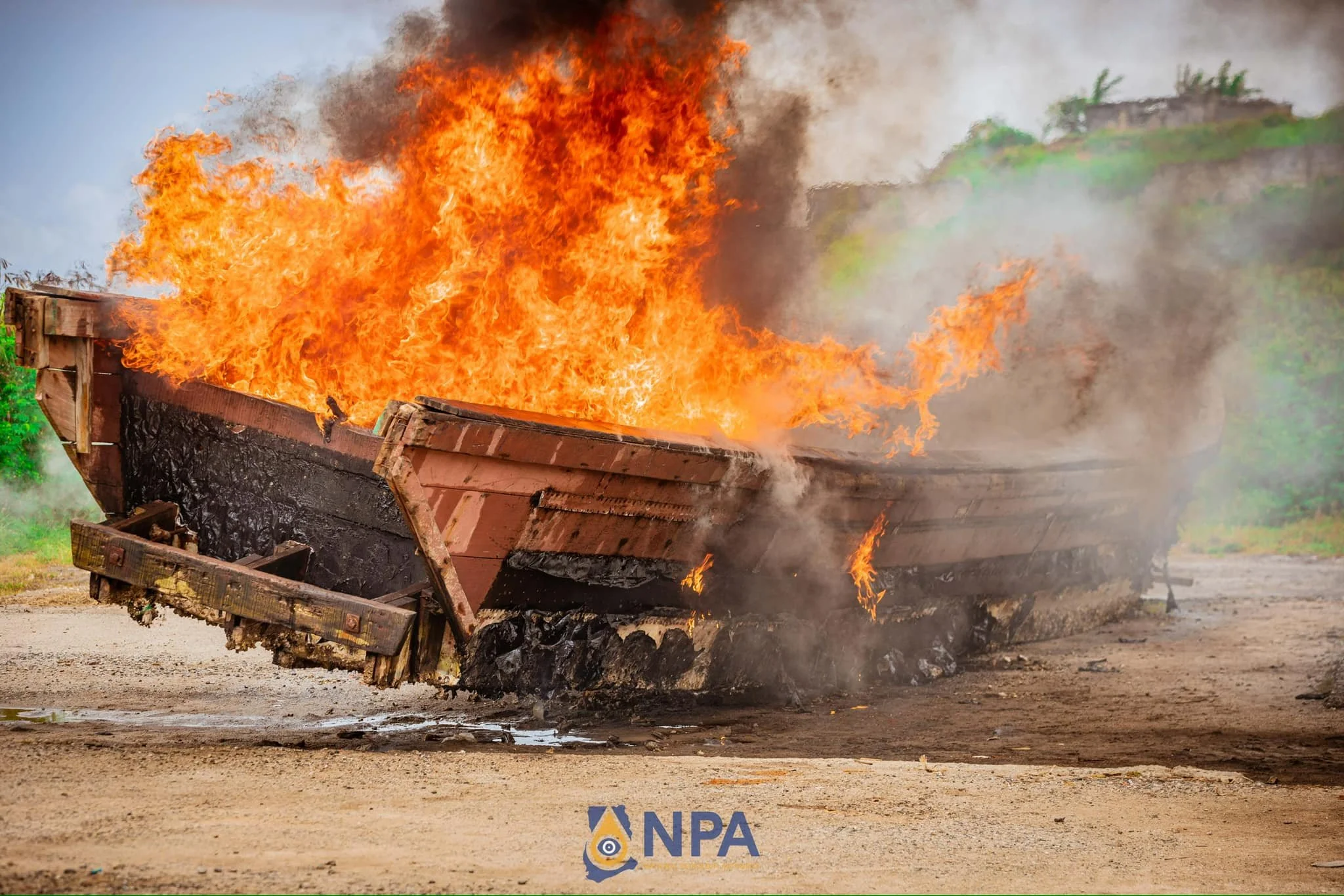
Sekondi-Takoradi, Western Region, Ghana | May 18, 2026 - The National Petroleum Authority and the Western Naval Command of the Ghana Navy have destroyed an impounded wooden fuel boat in Sekondi-Takoradi, escalating Ghana’s campaign against illicit petroleum trade from regulatory warning to visible enforcement along the country’s coastline.
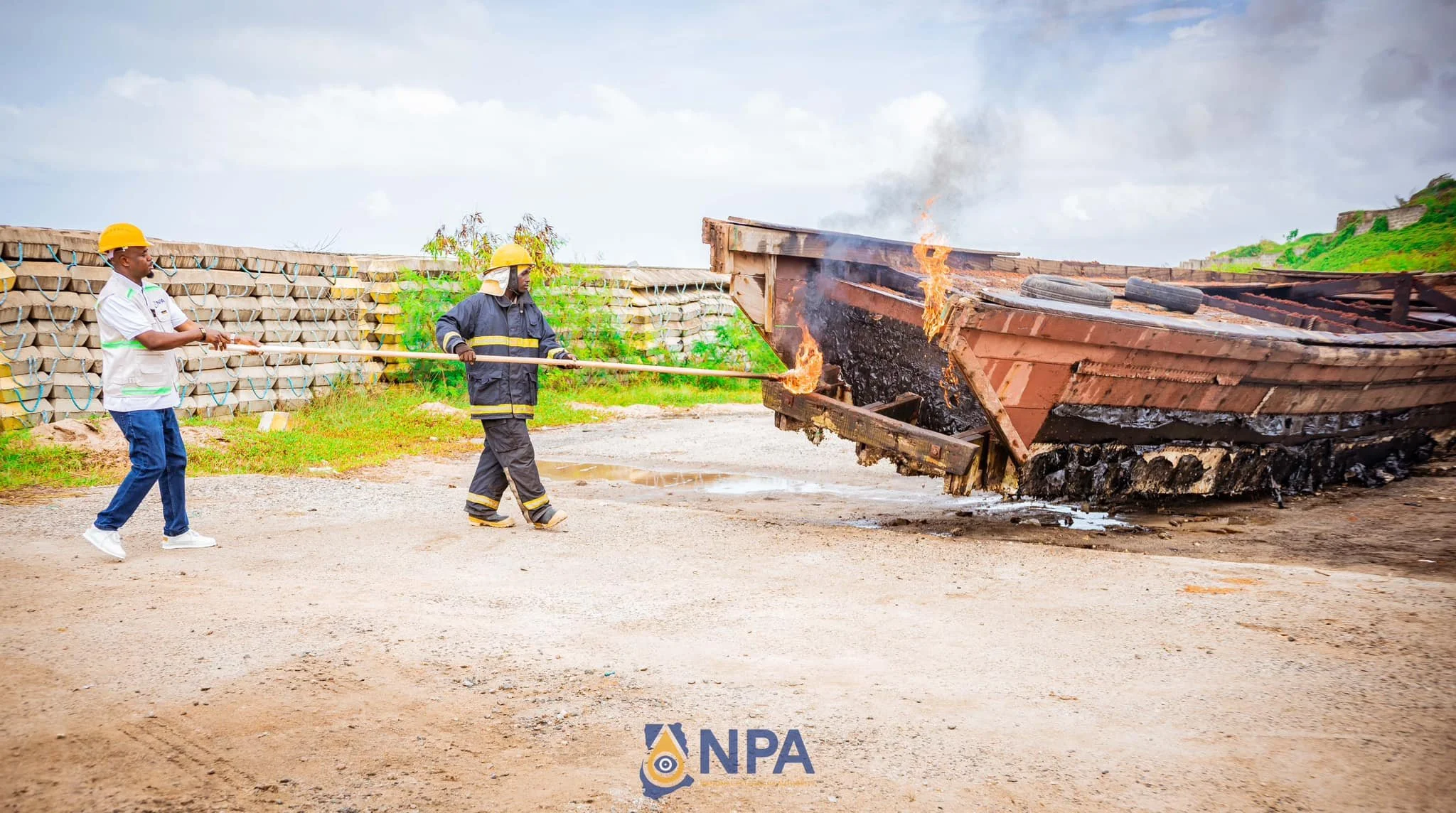
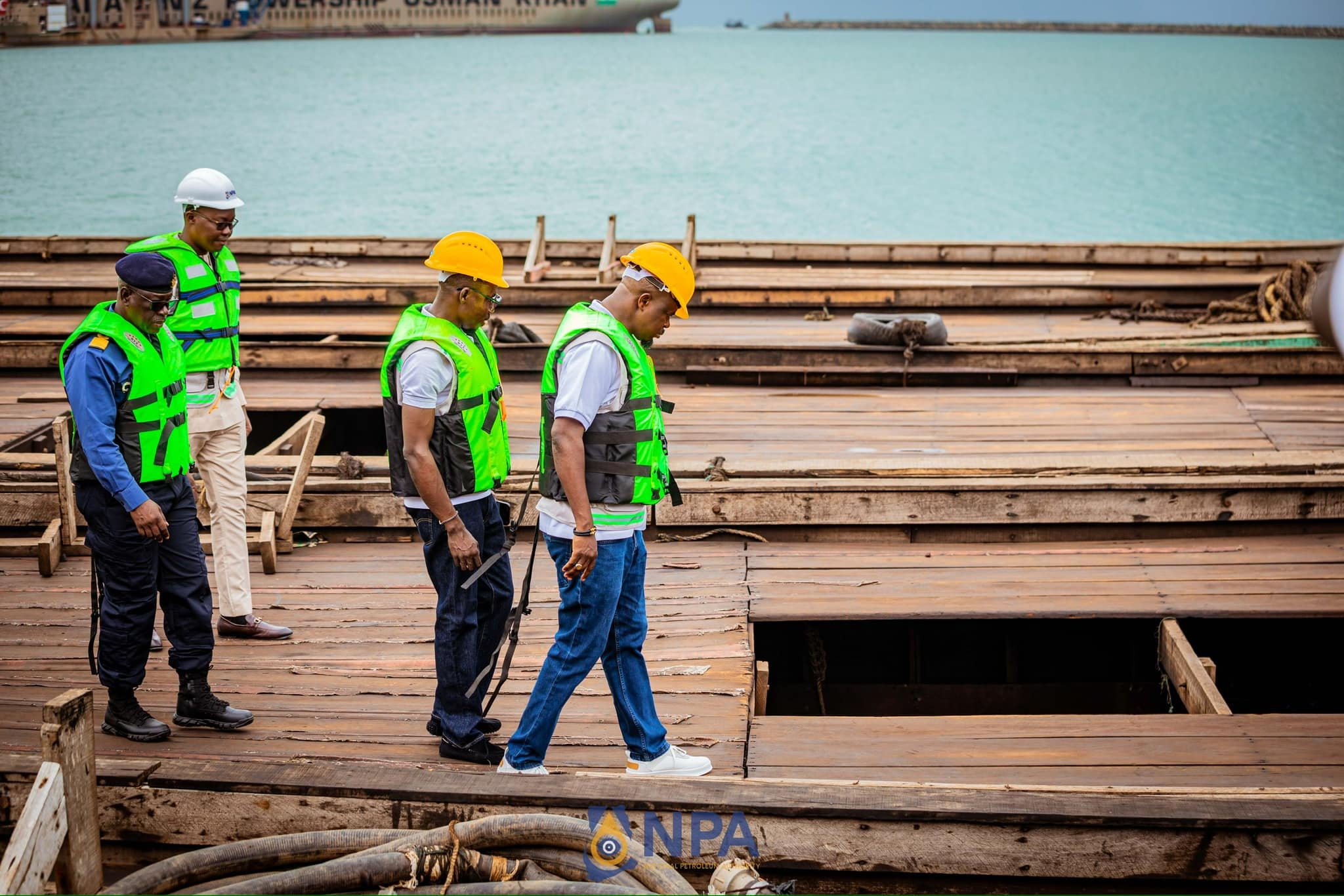
The operation followed the seizure of eight illegal fuel-smuggling boats during “Operation Don’t Complain,” an anti-illegal fuel-smuggling exercise conducted on Tuesday, 31 March 2026, at the New Takoradi and Poase fishing communities. The boats, suspected to have been used to convey and distribute illicit and unaccounted-for fuel products, were later destroyed at Naval Base Sekondi on Friday, 15 May 2026, turning the NPA’s anti-smuggling campaign from compliance warnings and institutional coordination into direct field action.
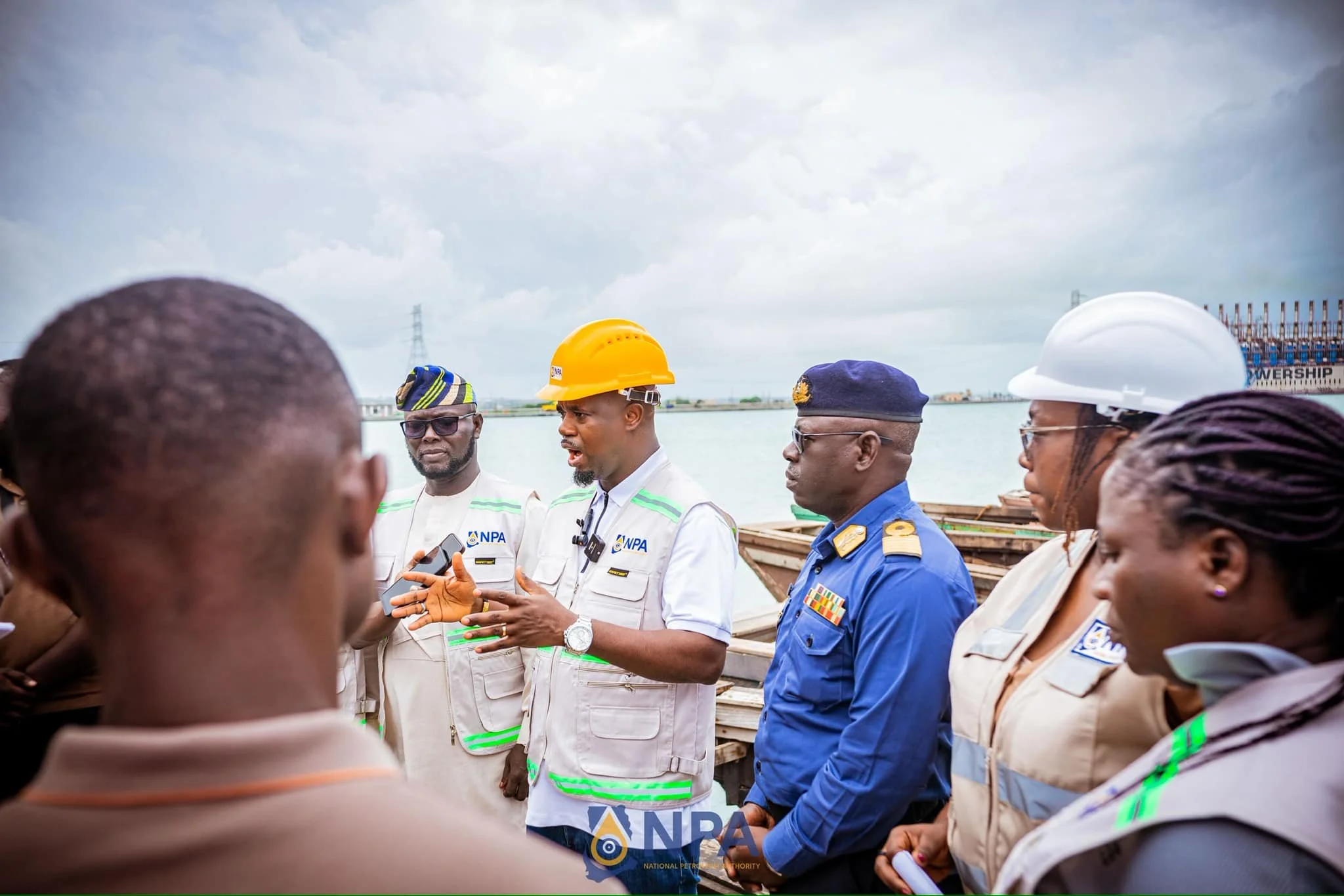
On Friday, NPA Chief Executive Officer Godwin Kudzo Tameklo Esq. set one of the impounded wooden boats ablaze after the joint operation, a deliberate symbolic act the Authority framed as a deterrent to illegal petroleum activity. Addressing personnel and stakeholders during the exercise, Mr Tameklo declared that “enough is enough”, stressing that the Authority would deepen its cooperation with the security forces to crack down on illicit fuel activities across the country’s coastal belt.
For a downstream sector already wrestling with illegal fuel flows, adulteration risks, unaccounted-for products and threats to public revenue, the burning of the boat was more than theatre. It was a public marker in a longer enforcement arc: Ghana’s regulator is trying to make illicit fuel trading more visible, more punishable and increasingly risky for those operating outside the regulated market.
Why Sekondi-Takoradi Matters
The Sekondi-Takoradi operation gives the NPA’s coastal enforcement campaign a sharper public edge. The Authority said the intercepted wooden fabricated boats were suspected to have been used for the conveyance and distribution of illicit and unaccounted-for fuel products, placing the exercise squarely within its wider campaign against illegal petroleum activity along Ghana’s coastal belt.
The Ghana Navy account also sharpened the operational picture. The boats were linked to illicit bunkering activity at New Takoradi and Poase, and the NPA said fuel moved through unapproved sea routes becomes harder to monitor for quality and regulatory compliance. Mr Tamakloe also pointed to locally manufactured boats, popularly known as “dendeys,” as a challenge to effective fuel monitoring.
That wider campaign defines illicit fuel trade broadly, covering fuel smuggling, unlicensed oil transfers at sea, illegal importation, adulteration and contamination of fuel, unlicensed bulk storage, sale of petroleum products to unlicensed third-party retailers and diversion of subsidised petroleum products such as premix fuel.
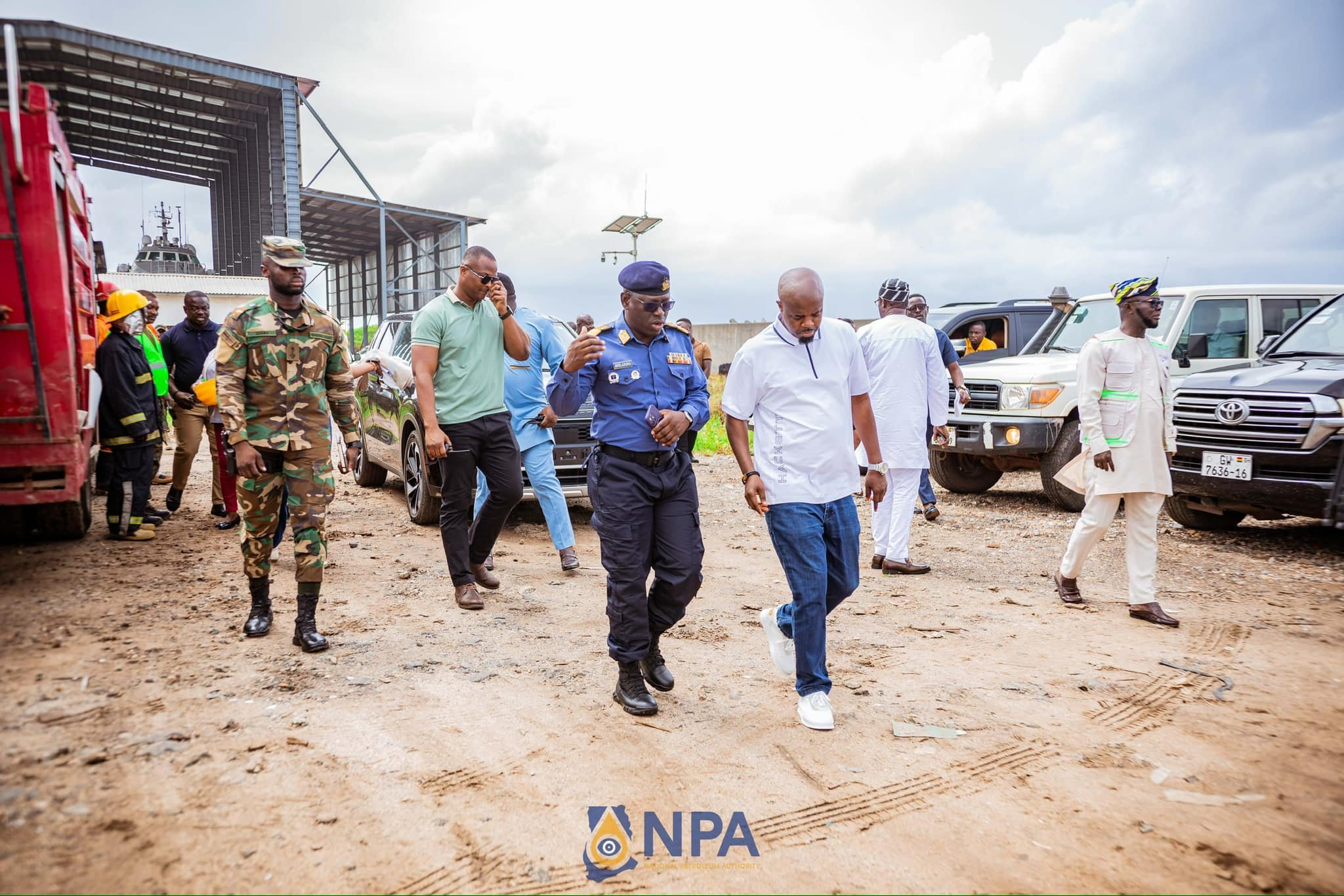
The presence of Commodore Samuel Ayelazono, Flag Officer Commanding of the Western Naval Command, underscored the maritime dimension of the crackdown and the Ghana Navy’s continuing collaboration with the NPA against fuel smuggling and other unlawful activities along the coastline.

The 2025 Enforcement Turn
The Sekondi-Takoradi operation follows a sharper enforcement phase that gathered pace in 2025 under Mr Tameklo’s leadership.
In March 2025, during a meeting with the Bono Regional Security Council as part of a familiarisation tour of the Bono and Ashanti regions, the NPA chief signalled that the Authority would not spare individuals or groups engaged in illegal fuel trade. He identified fuel smuggling, sale of adulterated fuel, expired licences and unsafe operations as part of the problem, and appealed to regional ministers not to intervene on behalf of operators found to be in breach of the law.
That early message framed illicit fuel trade not merely as a regulatory nuisance but as a governance test. The question was whether Ghana’s downstream regulator could enforce the rules in a market where commercial interests, political pressure and informal networks can collide.
By September 2025, the campaign had become more institutionalised. The NPA announced that it had intensified its nationwide campaign against illicit fuel trade and was preparing to prosecute defaulters directly after being granted prosecutorial fiat by the Attorney General under Article 88(4) of the Constitution of Ghana. The Appointment of Public Prosecutors Instrument, E.I. 378, allows NPA officers to prosecute petroleum downstream offences from the District Courts through to the Supreme Court.
That shift matters. It means the regulator is no longer solely dependent on referrals and external prosecutorial momentum. It now has a clearer legal pathway to convert inspections, interdictions and intelligence-led operations into court action.
From Compliance Warnings to Coastal Enforcement
The crackdown has moved on two tracks: education and punishment.
On one track, the NPA has sought to build compliance through public and stakeholder education. Its campaign has reached regions including Ashanti, Eastern, Central and Western, with engagements designed to remind operators, media and the public of the Authority’s mandate and the sanctions regime facing defaulters.
On the other track, the Authority has been sharpening the enforcement environment around the sector. The NPA had been pursuing stronger institutional collaboration with the Judiciary, including training and coordination intended to improve how petroleum-related offences are handled. That wider effort was framed around reducing case backlogs, improving sector-specific understanding and building a more consistent judicial response to fuel infractions.
The destruction of the boat, therefore, sits at the hard edge of a broader strategy. The regulator has warned. It has educated. It has sought prosecutorial power. It has engaged the courts. Now, in collaboration with the Navy, it is moving against suspected assets used in the illicit trade.
While the Navy remained the central operational partner in the coastal exercise, the NPA also credited the Ghana Police Service, Ghana Marine Police and National Security for supporting the operation, giving the crackdown the character of a wider security-sector response rather than a standalone regulatory action.
Industry Pressure Adds Weight
The enforcement push has also found support from industry voices worried about the scale of non-compliance in the downstream market.
In January 2026, the Chief Executive Officer of the Chamber of Bulk Oil Distributors (CBOD) called for tougher regulatory action against illicit fuel operations, warning that non-compliant and illicit operators were estimated to control about 15 percent of Ghana’s downstream fuel market. The concern was not only about lost revenue. It was about market integrity, consumer safety and the ability of compliant operators to compete in a sector where illegal fuel can distort prices and undercut legitimate business.
That warning came amid a bruising downstream price environment, where aggressive competition among oil marketing companies had intensified debate over price floors, below-cost selling and the possibility that some market behaviour could be masking deeper compliance failures. In that context, the NPA’s maritime operation speaks to a larger anxiety: that illicit fuel flows can undermine both state revenue and the commercial discipline of the regulated market.
Protecting Revenue, Safety and Market Credibility
For the NPA, the economic argument is central. Mr Tameklo described the cost of the illegal trade to the Ghanaian people as unethical and unacceptable, tying the crackdown to the protection of national revenue and the integrity of Ghana’s downstream petroleum sector.
The Navy’s account of the exercise also adds a quality-control dimension to the crackdown. Mr Tamakloe said one of the NPA’s core responsibilities is to ensure the availability of quality and non-adulterated petroleum products on the market, and noted that the Authority operates a fuel-marking scheme to trace and monitor every litre distributed. Fuel that is moved through unapproved sea routes, he said, weakens that monitoring chain while depriving the state of revenue through tax evasion.
That framing is important because illicit fuel trade is not only a smuggling story. It is also a fiscal story, a safety story and a consumer-protection story. Unaccounted-for fuel products can bypass statutory levies, evade quality controls, distort pricing, expose consumers to adulterated products and weaken confidence in licensed operators.
The Navy’s involvement adds a security dimension to the regulator’s economic case. Coastal smuggling is not easily solved through forecourt inspections alone. It requires surveillance, interdiction and coordination across agencies with maritime authority and operational capability.
A Regulator Tests Its Deterrent Power
The burning of an impounded wooden boat will not, by itself, end Ghana’s illicit petroleum trade. But it changes the optics and the risk calculation.
For years, the downstream sector’s enforcement challenge has been the gap between rule-making and deterrence. Operators could weigh the probability of detection against the cost of sanctions. The NPA’s current posture seeks to alter that balance by making enforcement more public, more coordinated and more prosecutable.
The Sekondi-Takoradi operation now becomes a test case for whether Ghana can sustain that pressure beyond symbolic action. The regulator has prosecutorial authority, visible support from the CBOD CEO and an operational partnership with the Navy.
What comes next will determine whether the destroyed boat becomes a one-off spectacle or the visible beginning of a tougher enforcement era along Ghana’s petroleum coastline. For now, the message from the NPA and Western Naval Command is unmistakable: the illicit fuel economy is being dragged out of the shadows, and the cost of operating there is rising
