
ARDA Membership Push Puts Ghana Refining and Chad’s Downstream Regulator Into Africa’s Downstream Policy Room
ARDA’s latest membership confirmations are more than association housekeeping. With Sentuo Oil Refinery joining for 2025/26, Tema Oil Refinery returning to the fold and Chad’s ARSAT coming in for 2026/27, the African downstream sector is drawing refiners, regulators and infrastructure players into the same continental policy room. For Ghana, it signals a heavier refining presence at a moment of private-sector expansion and state-refinery revival. For Chad, it places downstream regulation inside a wider African push for cleaner fuels, stronger supply security and better-governed petroleum markets.
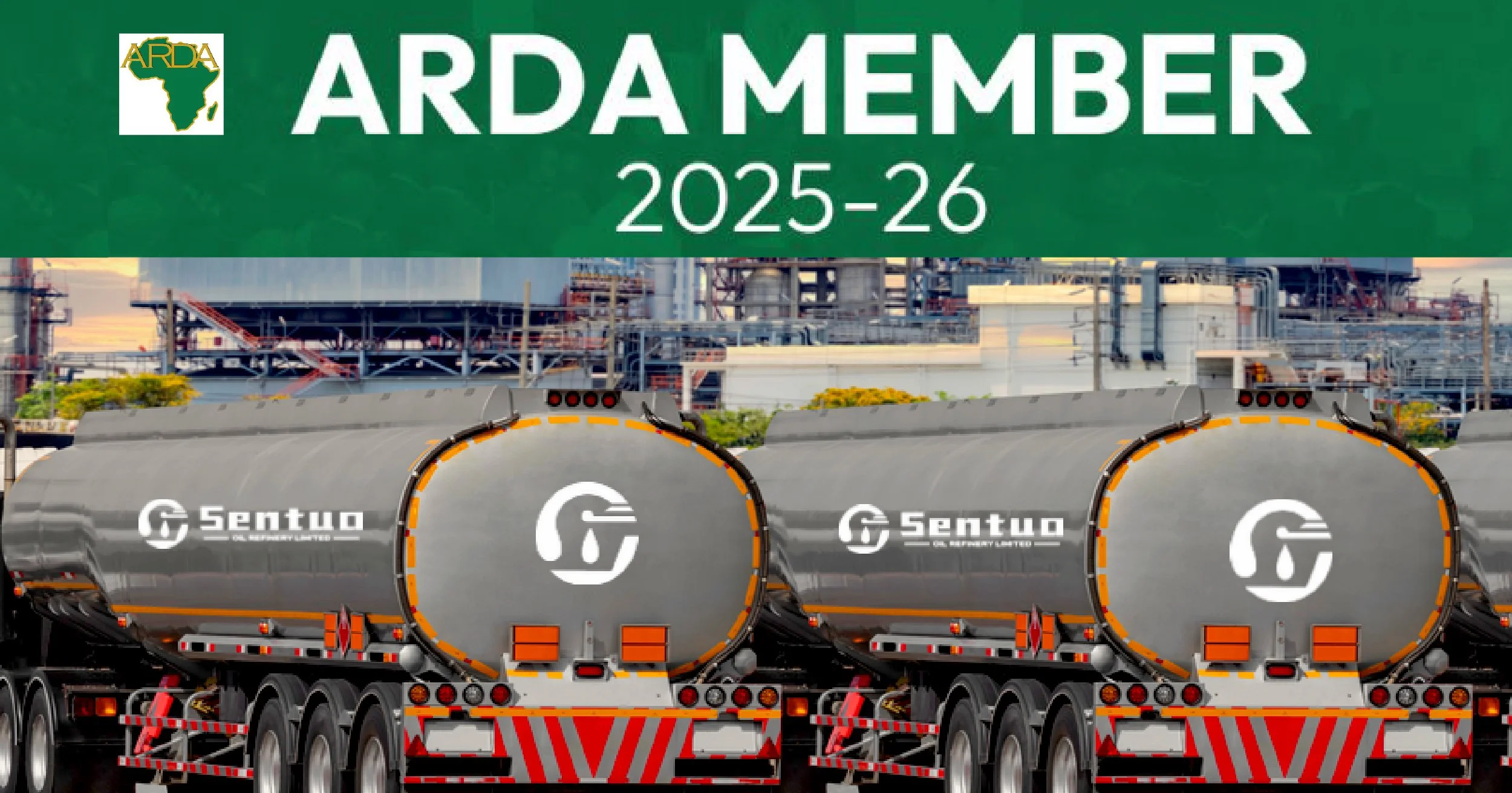
Abidjan, Cote d’Ivoire | May 26, 2026 - Sentuo Oil Refinery Limited, Tema Oil Refinery and Chad’s downstream petroleum regulator, ARSAT, have moved into sharper continental focus after the African Refiners & Distributors Association (ARDA) confirmed new and returning membership engagements that place refinery operators and regulators closer to the industry forum shaping Africa’s downstream petroleum agenda. ARDA announced Sentuo’s 2025/26 membership, described TOR as a returning member after a visit by its Marketing and Membership Manager ahead of the Africa Energy Technology Conference in Accra, and confirmed ARSAT’s membership for 2026/27 in separate membership updates shared by the association.
For Ghana, the optics are hard to miss. Sentuo’s confirmation brings into ARDA’s orbit the private Tema-based refinery whose own company profile describes it as a three-train, multi-product crude oil refinery in Tema with production capacity of 120,000 barrels per day. TOR’s return, meanwhile, comes after the state-owned Tema refinery resumed refining operations following major turnaround maintenance and regulatory clearances. For Chad, ARSAT’s entry gives the country’s downstream regulator a place in a pan-African forum at a time when fuel quality, supply security, fair competition and anti-fraud enforcement are becoming defining issues across Africa’s petroleum markets. (SORL)
From Refinery Club to Continental Downstream Platform
ARDA’s own history explains why the three announcements matter. The association traces its roots to earlier attempts to organise African refiners, beginning with the Association of Refiners and Distributors of Oil Products in 1980 and a second initiative launched in 1999 under SONARA’s leadership. The present organisation was founded in Cape Town on 23 March 2006 as the African Refiners Association, with support from counterpart refineries including TOR, before its name was later broadened to the African Refiners & Distributors Association.
That evolution is important because ARDA is no longer only a refinery conversation. The association says it gives voice not only to African refiners, but also to independent storage, distribution and marketing companies and energy regulators across Africa, while its 2025/26 membership brochure says members represent stakeholders across the downstream oil sector, including refining companies and legal entities operating in the import, storage, transport, distribution and regulation of petroleum products.
Membership also has a policy edge. ARDA’s 2025/26 brochure says membership enables participation in workgroups, forums, training events and ARDA Week 2026, which was scheduled for 13-17 April 2026 in Cape Town, and frames members as players in deciding policy on pan-African downstream developments. The association’s member page also lists benefits including invitations to industry seminars, networking opportunities, access to the ARDA African Downstream Database, participation in studies and access to the ARDA Library.
Sentuo’s Confirmation Strengthens Ghana’s Private Refining Profile
ARDA said Sentuo Oil Refinery Limited had confirmed its membership for 2025/26, describing the company as an energy infrastructure business based in Ghana’s Tema Industrial Zone and focused on developing large-scale refining capacity in West Africa. Sentuo’s own website places the refinery in Ghana’s Tema Industrial Zone and says the project factors in modern technology, energy conservation, environmental protection, recycling economics, phased development and scalability.
ARDA’s membership announcement placed Sentuo’s planned capacity at up to 5 million tonnes per year, while Sentuo’s official company profile describes SORL as a three-train, multi-product crude oil refinery in Tema with production capacity of 120,000 barrels per day. The two figures express refinery scale in different industry units, but the strategic point is the same: Sentuo is being positioned as a sizeable refining asset in Ghana’s downstream mix.
The timing matters because Ghana’s refining conversation is no longer confined to TOR. With Sentuo’s ARDA membership, Ghana’s private refining capacity is also being pulled into a continental platform where technical standards, cleaner fuels, finance, storage, distribution and market security are increasingly discussed as shared African problems rather than isolated national bottlenecks. ARDA says its mission includes addressing economic, environmental and social issues affecting African oil refining and the importation and distribution of petroleum products across the continent.
TOR’s Return Comes After Its Operational Revival
TOR’s return to ARDA carries a different weight. It is not simply another logo on a membership page. ARDA described TOR as a returning member after a visit by its Marketing and Membership Manager, Sylvie Ekanza, ahead of the Africa Energy Technology Conference in Accra, linking the engagement to industry collaboration across Africa’s downstream sector.
The return lands after a bruising period for Ghana’s premier crude oil processing facility. TOR’s own history says the refinery was commissioned in September 1963 as the Ghanaian Italian Petroleum Company, became wholly owned by the Government of Ghana in April 1977, and was later renamed Tema Oil Refinery in 1991.
The revival chronology is central to the story. TOR announced on 28 December 2025 that it had resumed refining operations following major turnaround maintenance and the receipt of the necessary regulatory clearances. The refinery’s press statement said the maintenance works on the Crude Distillation Unit were executed from 1 August to 30 October 2025, after which the National Petroleum Authority conducted regulatory inspections and granted clearance for operations to resume. It also said refining operations began on 19 December 2025, with petroleum products going into storage for the first time in several years.
The NPA later added more operational detail. During a January 2026 working visit, the regulator said TOR’s resumption followed major turnaround maintenance on the CDU, carried out from 1 August to 30 October 2025. It said TOR was operating at about 28,000 barrels per stream day as part of a phased return to full capacity, and that a new furnace, F-61, was expected to restore the refinery’s original nameplate capacity of 45,000 barrels per stream day once commissioned and integrated into the CDU.
That sequence gives TOR’s ARDA return a chronology rather than a ceremonial gloss. First came the turnaround maintenance, then regulatory clearance, then the restart of refining operations, then the regulator’s public confirmation of the phased ramp-up, and now a renewed link to the continental downstream association whose historical roots include earlier African refinery initiatives involving TOR.
Ghana’s Downstream Cluster Gets Heavier
The broader Ghanaian signal is also notable. ARDA lists the National Petroleum Authority as a Ghanaian member company and separately lists BOSTEnergies as a Ghanaian member company, while its Ghana-tagged company archive includes TOR, NPA, GNPC, Chase Petroleum and the Chamber of Bulk Oil Distributors (CBOD) among Ghana-linked entries. ARDA’s membership framework also explicitly includes entities responsible for the regulation and control of refining, importing, stocking, transporting or distributing petroleum products.
That gives Ghana representation across several points of the downstream chain: regulation through the NPA, storage and transportation through BOSTEnergies, private refining through Sentuo and state refining through TOR. It is a cluster that matters because Ghana’s downstream challenge is structural. The country is trying to manage fuel security, pricing exposure, import dependence, domestic refining reliability and product-quality oversight in a market where public and private infrastructure now have to work in a more coordinated way. NPA’s own statutory profile identifies it as the regulator of Ghana’s petroleum downstream industry, while ARDA’s membership framework gives regulators and operators a common continental policy and technical platform.
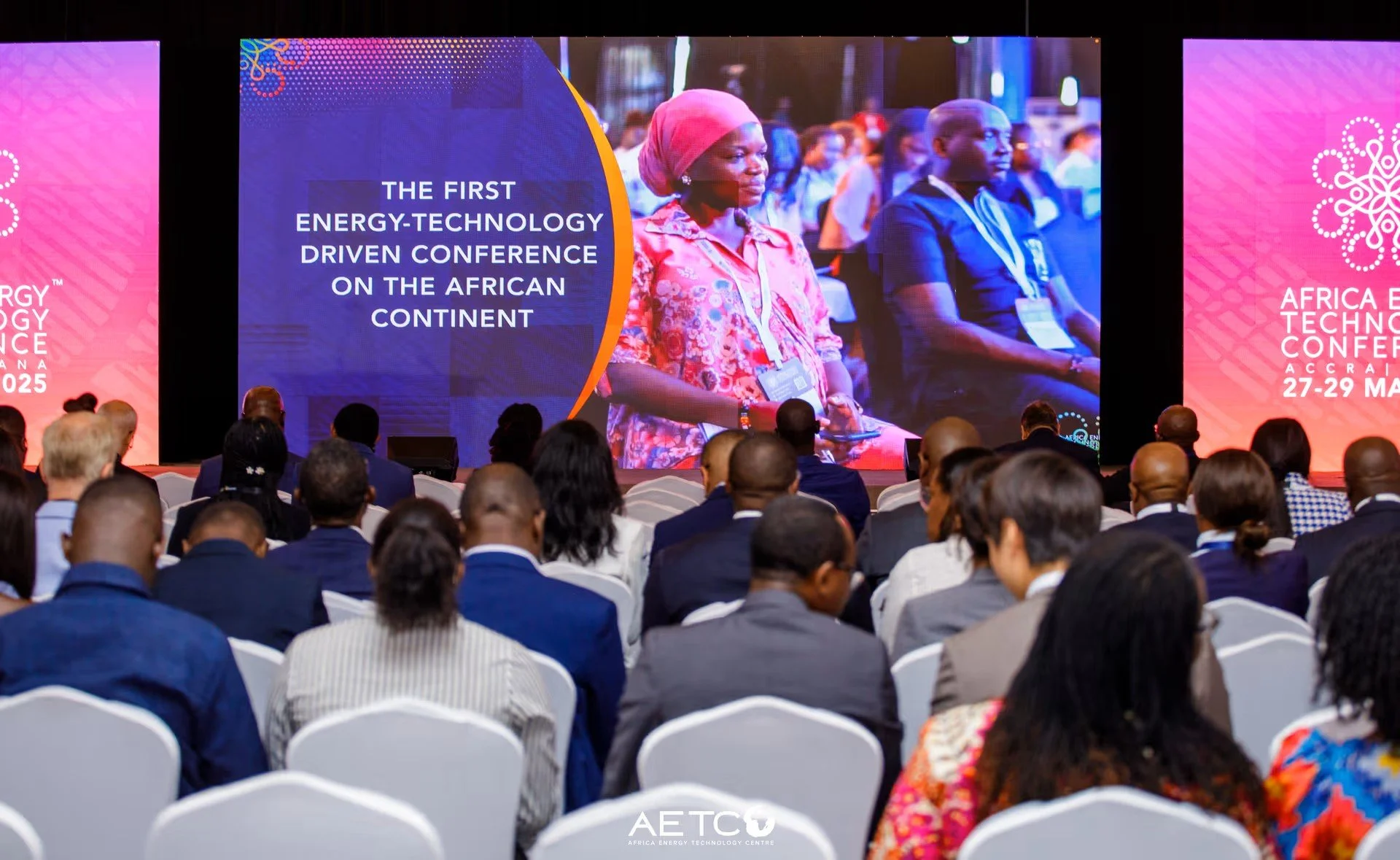
The Accra setting sharpened the symbolism. AETC 2026 took place from 19-21 May 2026 under the theme “From Borders to Bridges: Driving Intra-African Trade and Development through Energy & Technology Services,” with the conference designed to advance intra-African collaboration across financing, trade, projects, infrastructure, exhibition and implementation. TOR’s ARDA engagement ahead of that conference positioned the refinery’s return not as an isolated domestic story, but as part of a wider African discussion on technology, policy and downstream modernisation.
ARSAT Brings Regulation Into the Frame
ARSAT’s confirmation for 2026/27 extends the story beyond Ghana and beyond refinery operations. ARDA described l’Autorité de Régulation du Secteur Pétrolier Aval du Tchad as Chad’s public regulatory authority for the downstream petroleum sector, from importation to commercialisation, and said it promotes transparency, fair competition, consumer protection and product safety across the national energy market.
ARSAT’s own website presents the institution as Chad’s downstream petroleum regulator and says its mission is to ensure regular, secure and quality supply of petroleum products across the country. It also says ARSAT works through regulation, control and anticipation to support price stability, product availability and optimal management of strategic stocks.
The regulator’s mission statement widens the scope. ARSAT says Chad’s downstream operations include transport, storage, distribution and commercialisation of petroleum products; that it oversees market regulation and transparent pricing; that it monitors product quality, safety and environmental standards; and that it supervises storage and distribution infrastructure.
ARSAT’s entry into ARDA is therefore a reminder that downstream reform in Africa is not only about new refinery units or revived crude distillation capacity. It is also about institutions that license operators, inspect facilities, monitor fuel quality, police market conduct, protect consumers and hold supply chains together when logistics, currency pressure or disruption begin to bite. ARDA’s own mission explicitly includes independent storage, distribution and marketing companies as well as energy regulators across Africa.
A Small Membership Story With a Larger Market Signal
Taken together, the Sentuo, TOR and ARSAT announcements point to a downstream sector becoming more institutionalised. Ghana’s two refinery stories show the dual track of Africa’s energy infrastructure push: private capital building new capacity and legacy state assets trying to regain operational credibility. Chad’s ARSAT membership shows the parallel regulatory track, where African fuel markets are increasingly being asked to professionalise oversight, harmonise standards and treat supply security as a governance issue.
For ARDA, the gains are also clear. The association is deepening its bench across operators, regulators and infrastructure companies, reinforcing its role as an industry room where Africa’s downstream petroleum sector debates specifications, financing, training, data, market security and the long transition toward cleaner fuels. ARDA says its vision is to lead Africa’s transition to cleaner fuels and later renewable energies, while supporting the harmonisation of cleaner fuel specifications across the continent.
For Ghana and Chad, membership is not an end state. It is an entry point. The test will be whether participation in ARDA’s workgroups, data systems, training network and policy forums translates into stronger plants, cleaner products, more reliable supply chains and regulators with sharper tools. In a continent where fuel security still turns on the practical condition of tanks, terminals, furnaces, inspectors and balance sheets, that is where the membership story becomes a market story.
